
Divemaster vs. PADI Instructor: Which Pro Level is Best?
A Divemaster is a professional dive leader who supervises diving activities and assists instructors, while a PADI Instructor is qualified to independently teach and certify students. Essentially, Divemasters manage groups and logistics, whereas Instructors have the legal and professional authority to issue new scuba certifications and teach core courses.
What is the difference between a Divemaster and a Scuba Instructor?
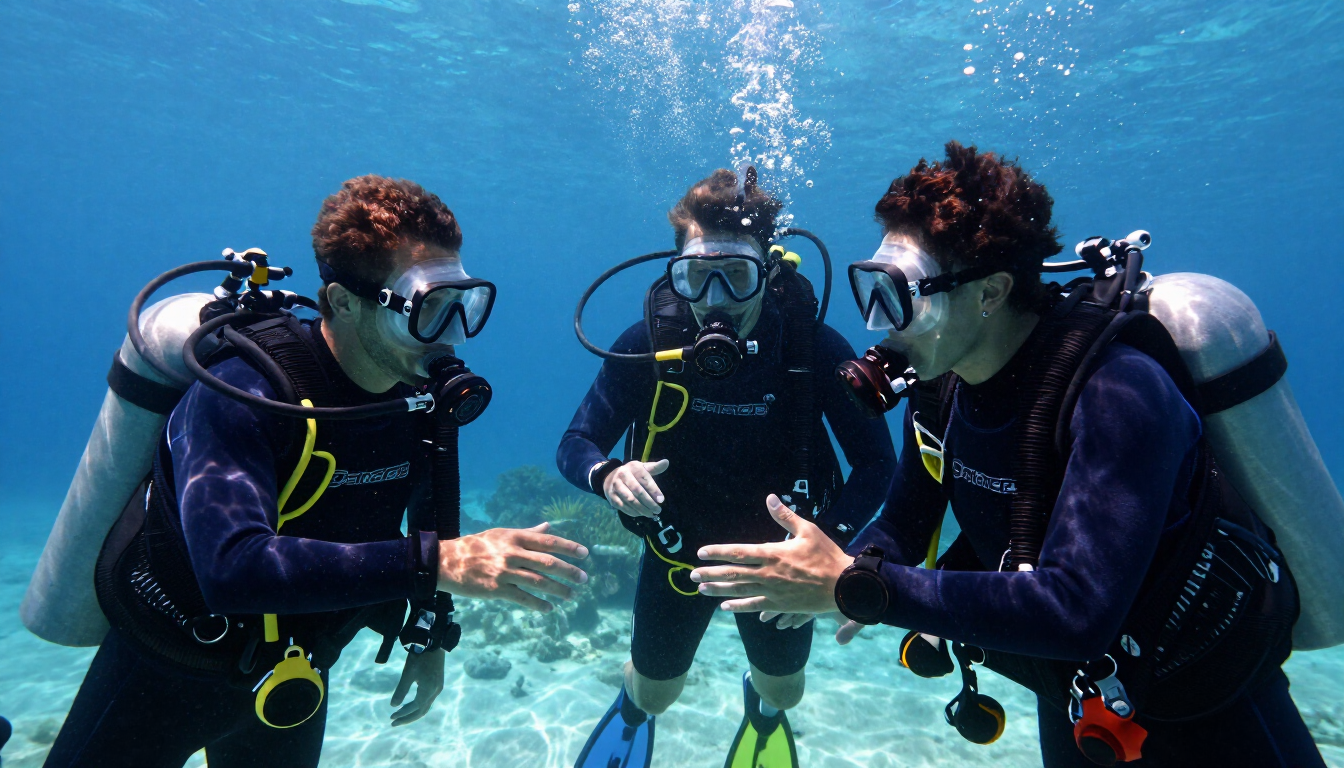
When you decide to transition from a recreational diver to a professional, the first major fork in the road is deciding between becoming a Divemaster or a Scuba Instructor. While both are considered professional ratings, they serve very different purposes within a dive operation. At Twobar Scuba, we see many students grappling with this choice. A Divemaster is primarily a guide and an assistant. They are the individuals who ensure that certified divers have a safe, enjoyable experience underwater. They handle the logistics, navigate the reefs, and keep a watchful eye on air consumption and buoyancy.
On the other hand, an Instructor is an educator. Their primary focus is on taking someone who may have never breathed underwater before and transforming them into a competent, confident diver. While an Instructor can certainly lead a dive, their unique value lies in their ability to teach the theory and skills required for certification. This distinction is vital for anyone looking at a career in the industry. If you love the thrill of discovery and sharing the hidden gems of a reef, Divemastering might be your calling. If you find fulfillment in seeing the 'lightbulb moment' when a student masters a skill, the Instructor path is for you.
Core Responsibilities of a Professional Divemaster
The role of a Divemaster is multifaceted and requires a high level of situational awareness. They are often the 'face' of the dive center, interacting directly with guests from the moment they arrive at the shop. At our accredited Training center, we emphasize that a Divemaster's job begins long before hitting the water. They are responsible for checking gear, organizing boat manifests, and conducting comprehensive dive briefings that cover site topography, safety protocols, and local marine life.
- Supervising both training and non-training-related activities.
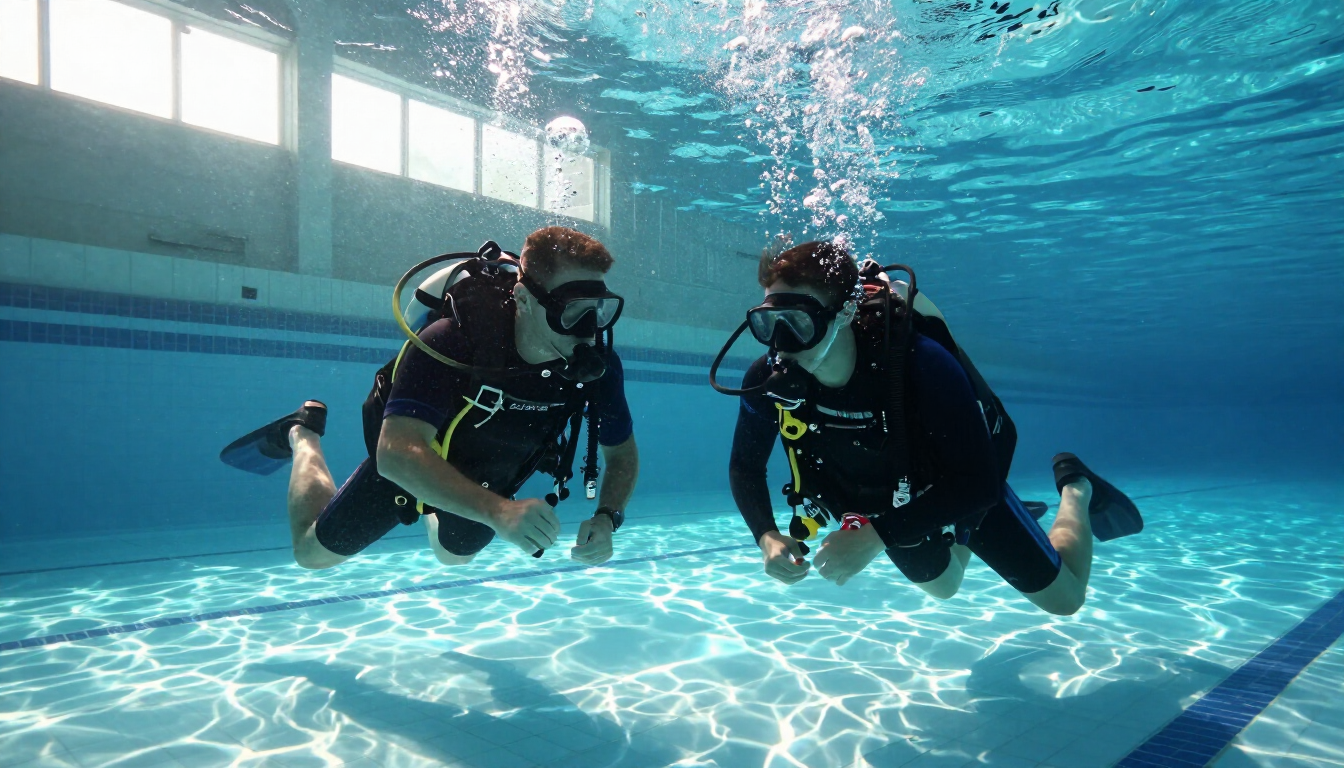
- Assisting instructors during confined and open water training sessions.
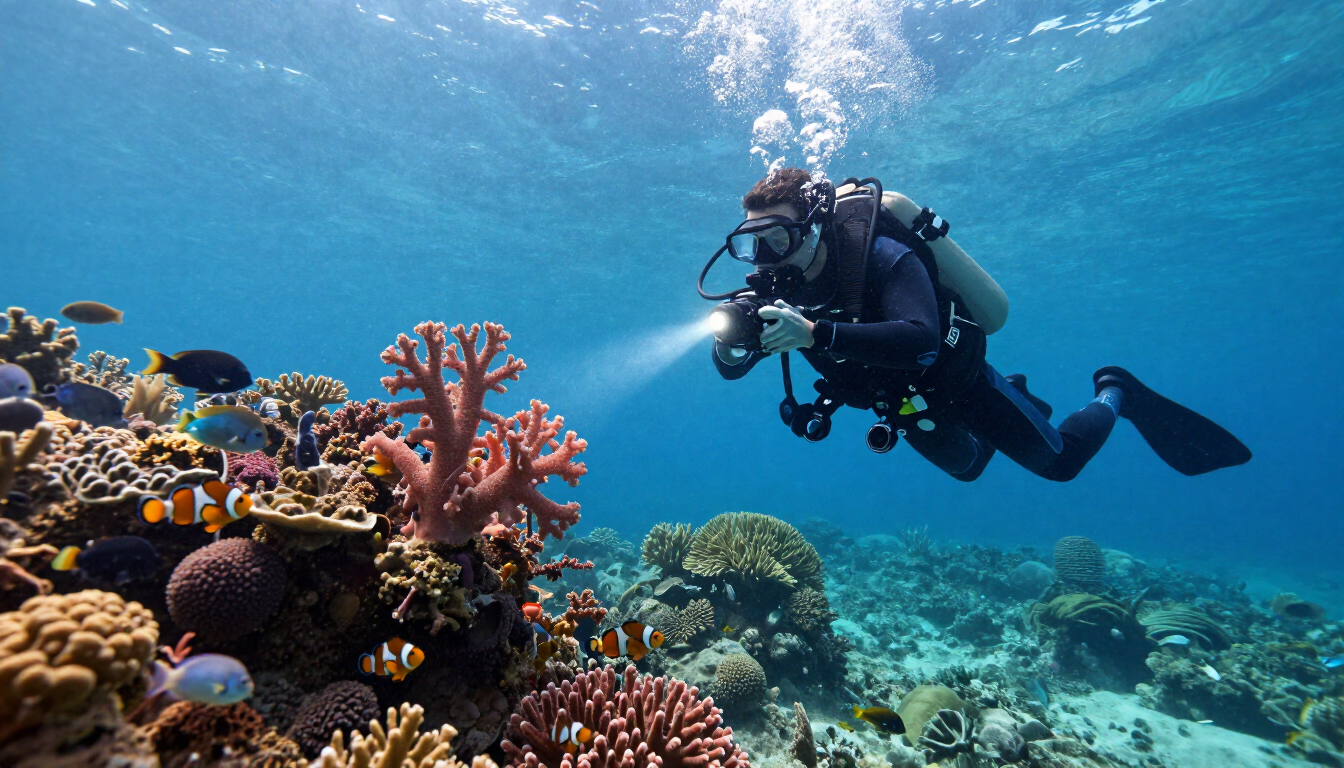
- Guiding certified divers on underwater tours of local reefs.
- Conducting scuba reviews and skin diver courses independently.
- Managing dive site logistics and emergency planning.
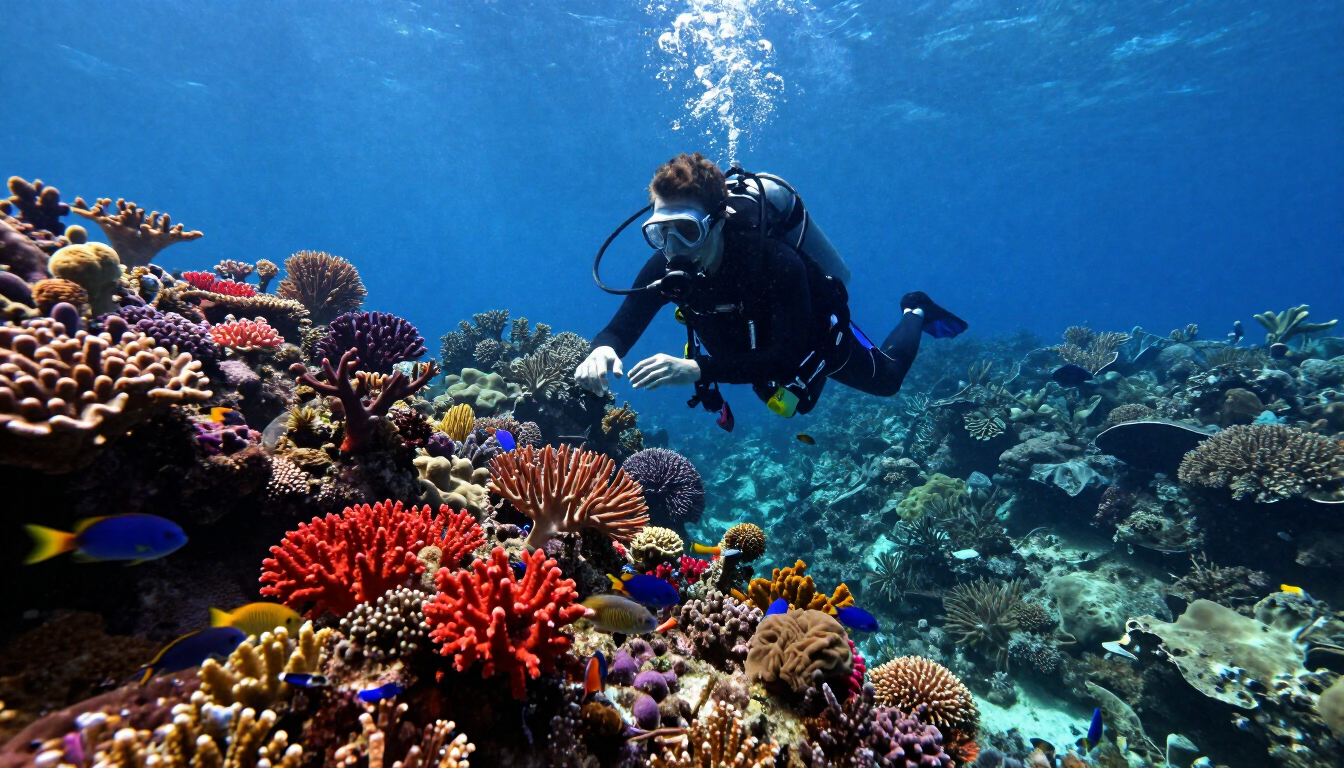
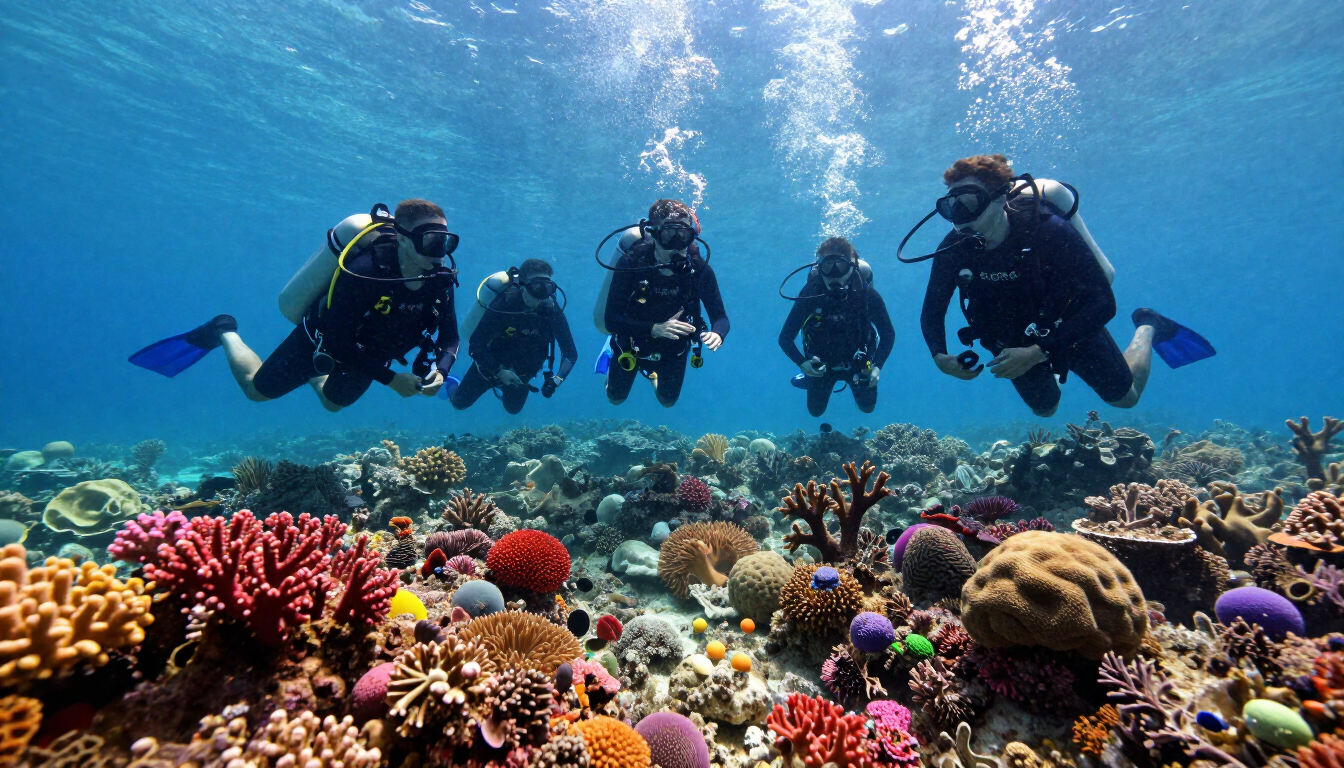
In a bustling dive destination like Sodwana Bay, Divemasters are essential for managing the flow of divers. They need to know the reefs like the back of their hand, understanding how currents move across 2-Mile Reef or where the most elusive nudibranchs are hiding on 5-Mile Reef. Their presence allows the Instructor to focus entirely on the students, knowing that the rest of the group is in capable, professional hands.
What can an Open Water Scuba Instructor teach?
An Instructor’s authority is significantly broader than that of a Divemaster. Once you reach the level of Open Water Scuba Instructor (OWSI), you are essentially a licensed educator of the underwater world. You have the power to sign off on certification cards, which is a significant responsibility. This means you must not only master the skills yourself but also be able to diagnose and correct problems in your students. At Twobar Scuba, our instructors are trained to handle the diverse needs of students, ensuring every Book ed session is both educational and safe.
Instructors can teach the full gamut of core courses. This includes the introductory Discovery Scuba Diving (DSD) experiences, the foundational Open Water Diver course, Advanced Open Water, and the Rescue Diver course. Furthermore, they can often teach a variety of specialty courses, such as Deep Diving, Wreck Diving, or Enriched Air Nitrox. This versatility makes Instructors highly employable worldwide, as they can generate revenue for a dive center across all levels of student interest.
- Teaching and certifying Open Water Divers independently.
- Conducting Advanced and Rescue Diver certification courses.
- Leading professional-level training for Divemaster candidates.
- Teaching specialized diving techniques like Night or Deep diving.
- Providing first aid and CPR training for divers.
Comparing Training Prerequisites for Pros
The journey to either professional rank requires a significant commitment of time, effort, and passion. To begin a Divemaster course, you typically need to be at least 18 years old and have a Rescue Diver certification (or equivalent). You also need a minimum of 40 logged dives to start and 60 to finish the certification. The course itself involves deep dives into dive theory—physics, physiology, and environment—as well as rigorous stamina tests and skill assessments. It is a transformative experience that shifts your perspective from yourself to the divers around you.
To become an Instructor, the bar is set even higher. Most agencies require you to have been a certified diver for at least six months and have at least 100 logged dives before you can attend an Instructor Development Course (IDC) and the subsequent Instructor Examination (IE). The IDC is an intensive program where you learn the PADI or NAUI teaching systems, how to give classroom presentations, and how to conduct skills in both confined and open water. It’s a demanding process designed to ensure that only the most dedicated and capable individuals earn the right to teach others. When Diving in Sodwana with our team, you’ll notice that our staff's training shines through in their professionalism and attention to detail.
How do you choose the right professional path?
Choosing between these two paths often comes down to your long-term goals and your current lifestyle. If you are looking for a rewarding part-time job or a way to stay involved in the diving community while traveling, becoming a Divemaster is an excellent choice. It allows you to work in the industry without the heavy administrative burden and liability that comes with being an Instructor. Many people choose to remain Divemasters for years, enjoying the role of the expert guide and local reef specialist.
However, if you are looking for a full-time career in the dive industry, becoming an Instructor is almost a necessity. Instructors generally earn more and have more job opportunities, as every dive shop needs people who can bring in new customers through training. At Twobar Scuba, we often suggest that candidates start with the Divemaster program to build their 'bottom time' and leadership skills before jumping into an IDC. This progressive approach builds a more well-rounded professional who understands the operational side of a dive center as well as the educational side.
Professional Growth at Twobar Scuba
At Twobar Scuba, we pride ourselves on being an accredited NAUI Dive Centre, but we understand the global landscape of diving certifications. Our facility in Pretoria and our charter in Sodwana Bay offer a unique environment for professional growth. Whether you are aiming for a PADI or NAUI professional rating, the fundamental skills of leadership, safety, and environmental stewardship remain the same. Our experienced Dive Masters and Instructors share a wealth of knowledge that goes beyond the textbook, teaching you how to read the ocean and manage groups in the dynamic conditions of the South African coast.
We offer training that is safe, supportive, and tailored to your specific qualifications. From the initial steps of professional training to advanced leadership roles, our team is dedicated to your success. Sodwana Bay offers world-class dive sites that serve as the perfect classroom for aspiring pros. Navigating the currents, identifying the diverse marine life, and managing the logistics of a surf launch through the waves are skills that will make you a sought-after professional anywhere in the world.
Key Takeaways for Future Scuba Professionals
Deciding to go pro is the start of an incredible adventure. Whether you choose to guide as a Divemaster or teach as an Instructor, you are joining an elite group of ocean advocates. The primary difference is that a Divemaster focuses on group leadership and logistics, while an Instructor focuses on teaching and certification authority. Consider your personal goals: do you want to lead or to teach?
- Divemasters focus on safety, logistics, and guiding certified divers.
- Instructors focus on education, skill mastery, and issuing certifications.
- Prerequisites for Instructors are higher, requiring more dives and time.
- Career-wise , Instructors typically have higher earning potential and more job variety.
- Sodwana Bay provides the ideal training ground for both professional paths.
If you're ready to take the plunge, evaluate your current experience level and think about where you want to be in five years. Both roles are vital to the diving industry, and both offer the chance to turn your passion for the ocean into a professional reality. Contact Twobar Scuba today to discuss your training path and start your journey toward becoming a leader in the underwater world.