
5 Best PADI Specialty Courses to Level Up Your Diving
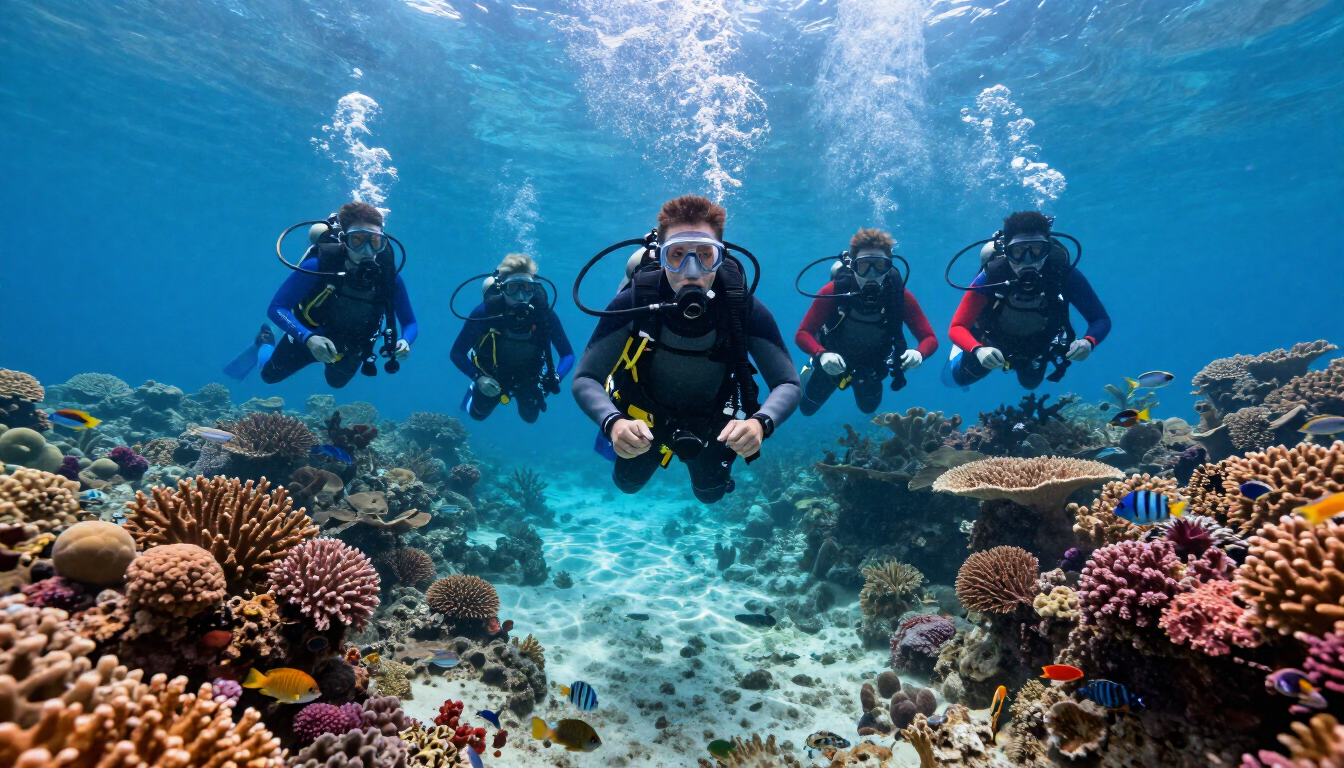
PADI specialty courses are advanced certification programs designed to refine specific scuba skills and expand your diving boundaries. These courses, including Deep Diving, Night Diving, and Underwater Navigation, provide the technical knowledge and practical experience needed to safely explore diverse environments, manage specialized equipment, and increase your underwater confidence.
What are PADI Specialty Courses exactly?
For many divers, the journey doesn't end with the Open Water or Advanced Open Water certification. In fact, that is often just the beginning. PADI specialty courses are targeted educational paths that allow you to dive deeper (literally and figuratively) into specific areas of interest. Whether you are fascinated by the mystery of shipwrecks, the unique biology of nocturnal marine life, or the technical challenge of navigating back to the boat without a guide, there is a specialty designed for you.
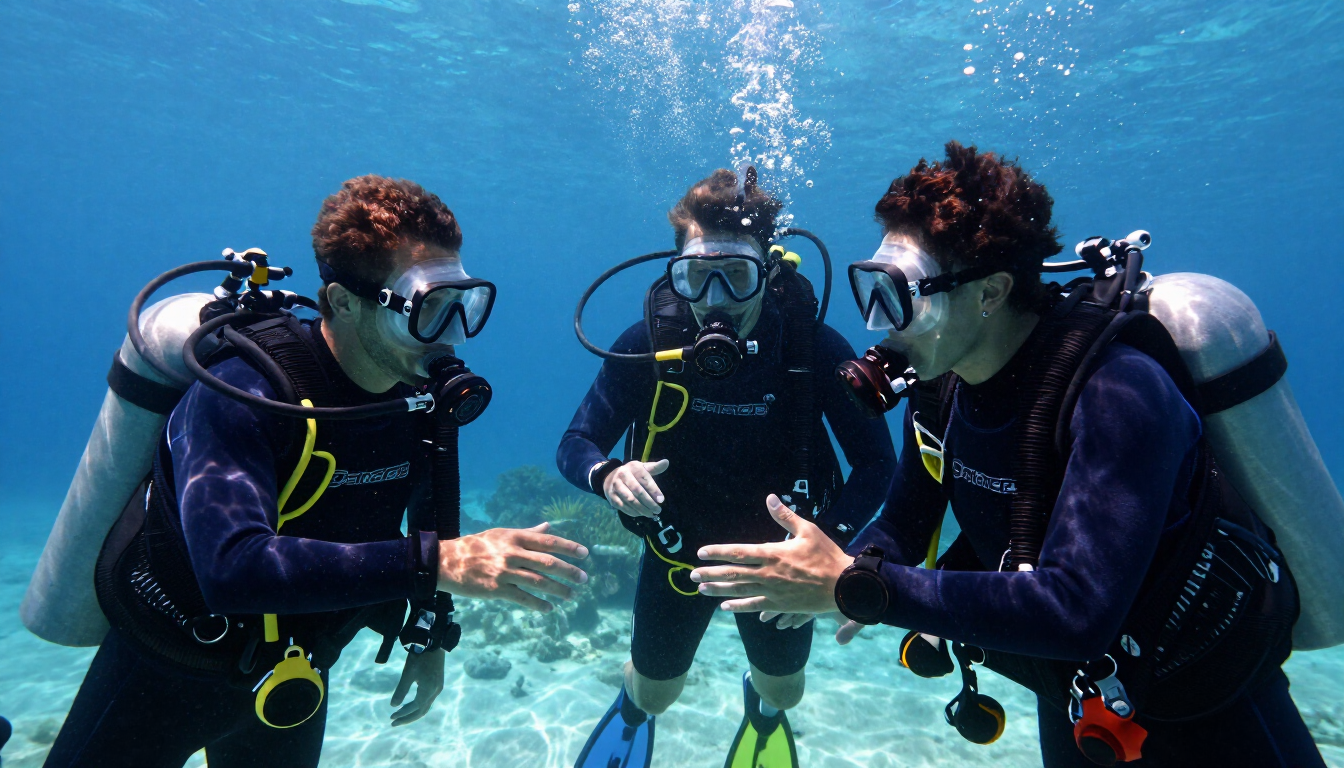
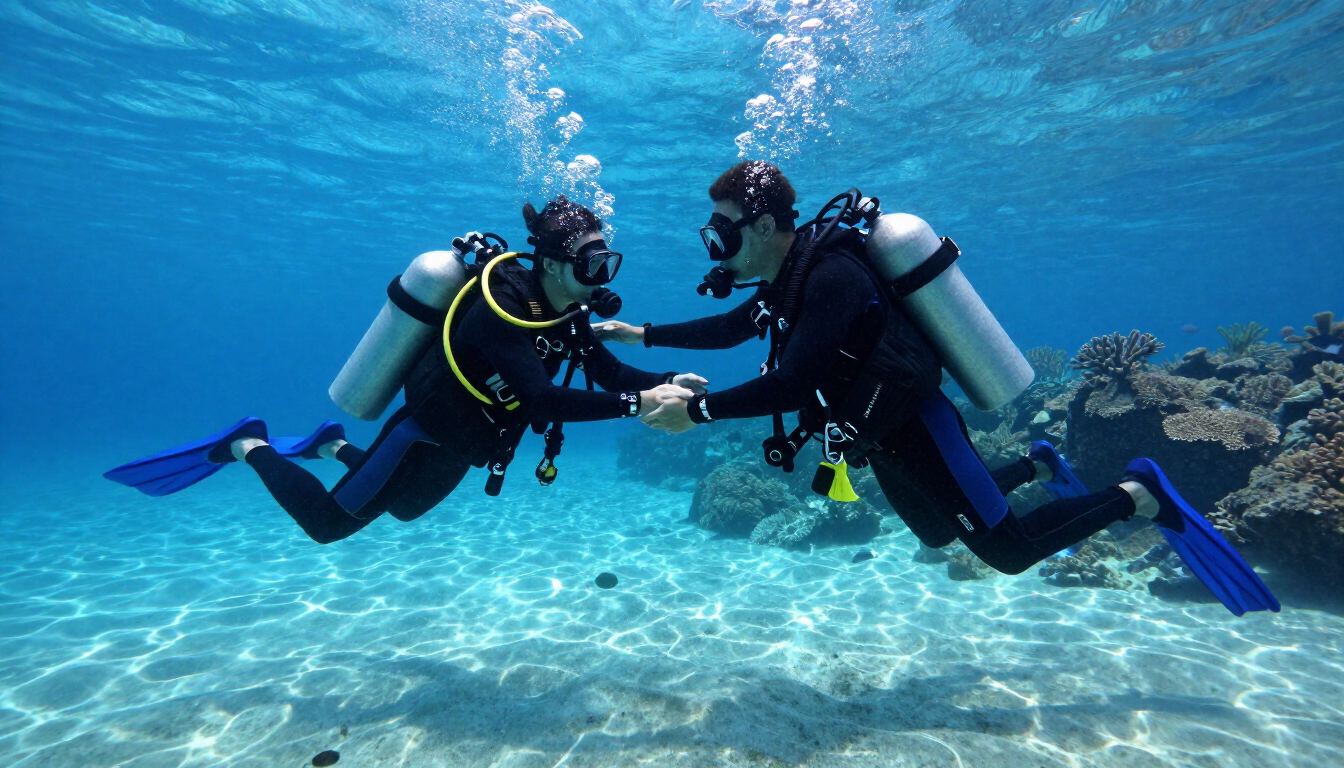
These courses are not just about collecting plastic cards; they are about building a toolkit of competencies. Each specialty focuses on three main pillars: knowledge development, practical skills, and supervised application. In a typical specialty course, you will spend time understanding the theory—such as the physics of light underwater for photography or the physiological effects of nitrogen for deep diving—and then apply that knowledge during open water dives. This structured approach ensures that you aren't just "trying" something new, but mastering it under the guidance of an experienced instructor. At Twobar Scuba, our expert training focuses on safety and precision, ensuring you feel at home in any environment.
Why should you get a specialty certification?
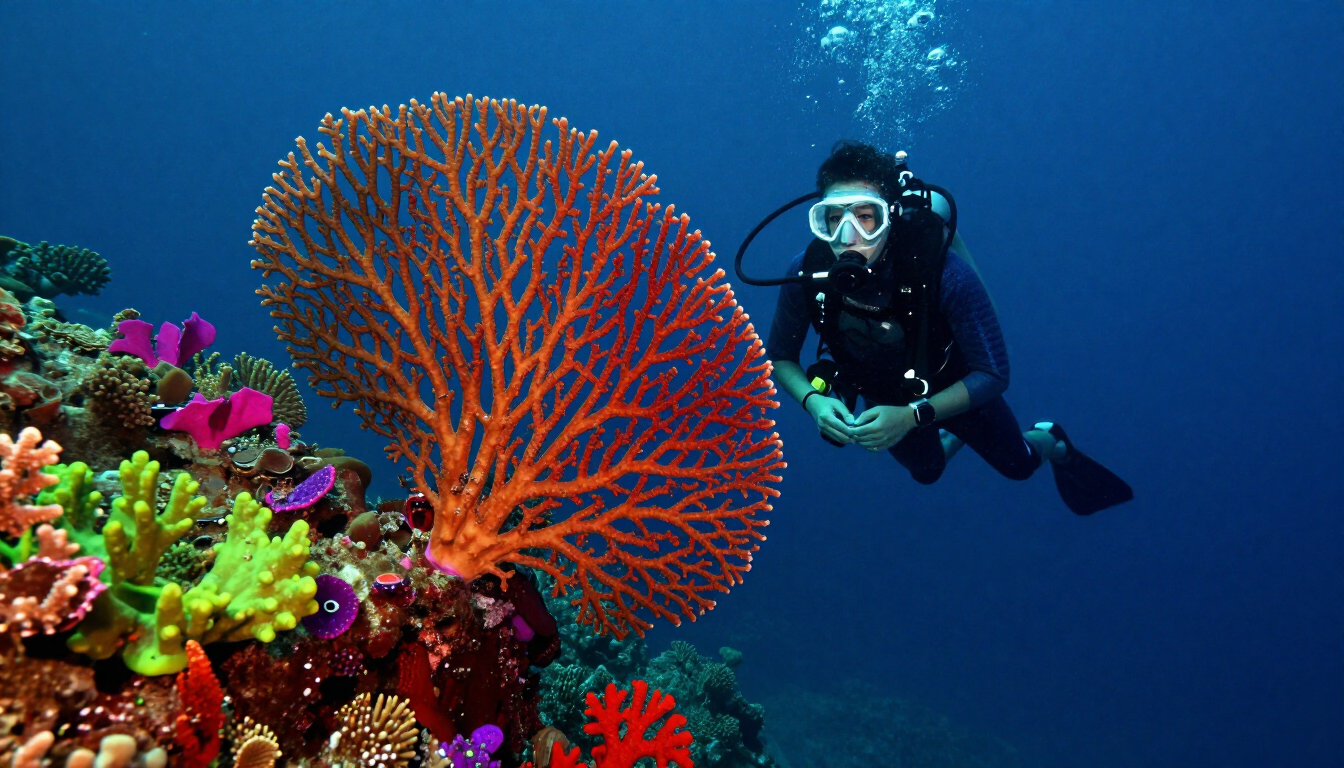
Investing in specialty training transforms you from a recreational tourist into a capable explorer. One of the primary reasons divers seek these certifications is to gain access to sites that were previously off-limits. For example, many of the world's most pristine reefs or famous wrecks lie at depths between 30 and 40 meters. Without a Deep Diver specialty, most operators will limit you to shallower depths for safety reasons. By obtaining the certification, you demonstrate that you have the training to manage the risks associated with deeper dives, such as increased air consumption and nitrogen narcosis.
Beyond access, specialty courses offer:
- Enhanced Safety: Learning the specific risks and emergency procedures for different environments.
- Skill Refinement: Focus on buoyancy, trim, and gas management that standard courses only touch upon.
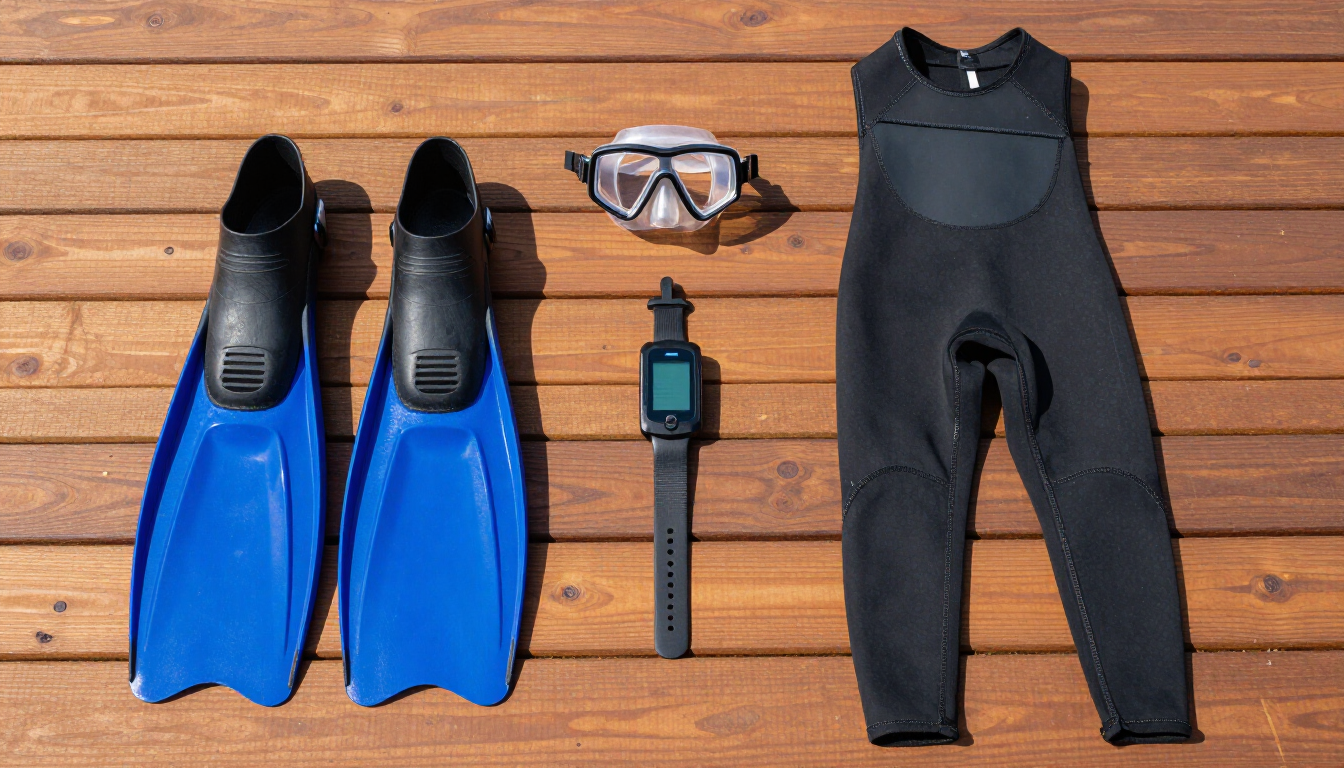
- Equipment Proficiency: Mastery of tools like lift bags, reels, dive lights, and compasses.
- Confidence Boost: Knowing you can handle specific challenges reduces stress and increases enjoyment.
- Path to Master Scuba Diver: Specialties are the building blocks for the highest non-professional rating in recreational diving.
Why is the Deep Diver Specialty so popular?
Deep diving is perhaps the most sought-after specialty in the scuba world. There is an undeniable allure to the "big blue" and the quiet, cathedral-like atmosphere of the deeper reefs. In the Deep Diver course, students learn how to plan and execute dives to a maximum depth of 40 meters. This is the absolute limit for recreational diving, and reaching it requires a disciplined approach to gas management and safety stops.
During your training, you will explore the physiological changes that occur when you descend. You’ll learn how to recognize and manage nitrogen narcosis—a phenomenon often described as a "drunken" feeling caused by breathing nitrogen under high pressure. You will also practice using redundant air sources and learning how to calculate your "turn pressure" to ensure you always return to the surface with a healthy reserve of air. If you're looking to explore the deeper reefs of Sodwana Bay , this course is an absolute must.
Mastering the Dark with Night Diving
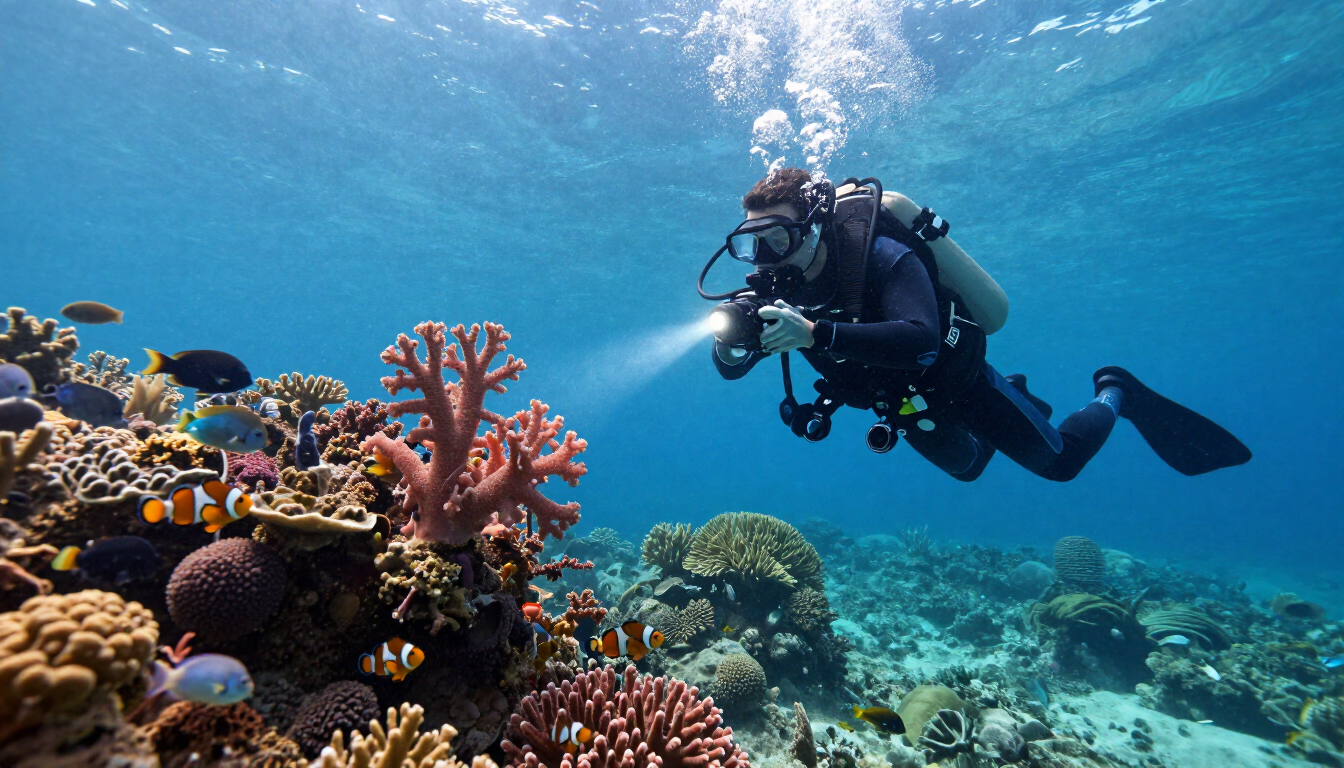
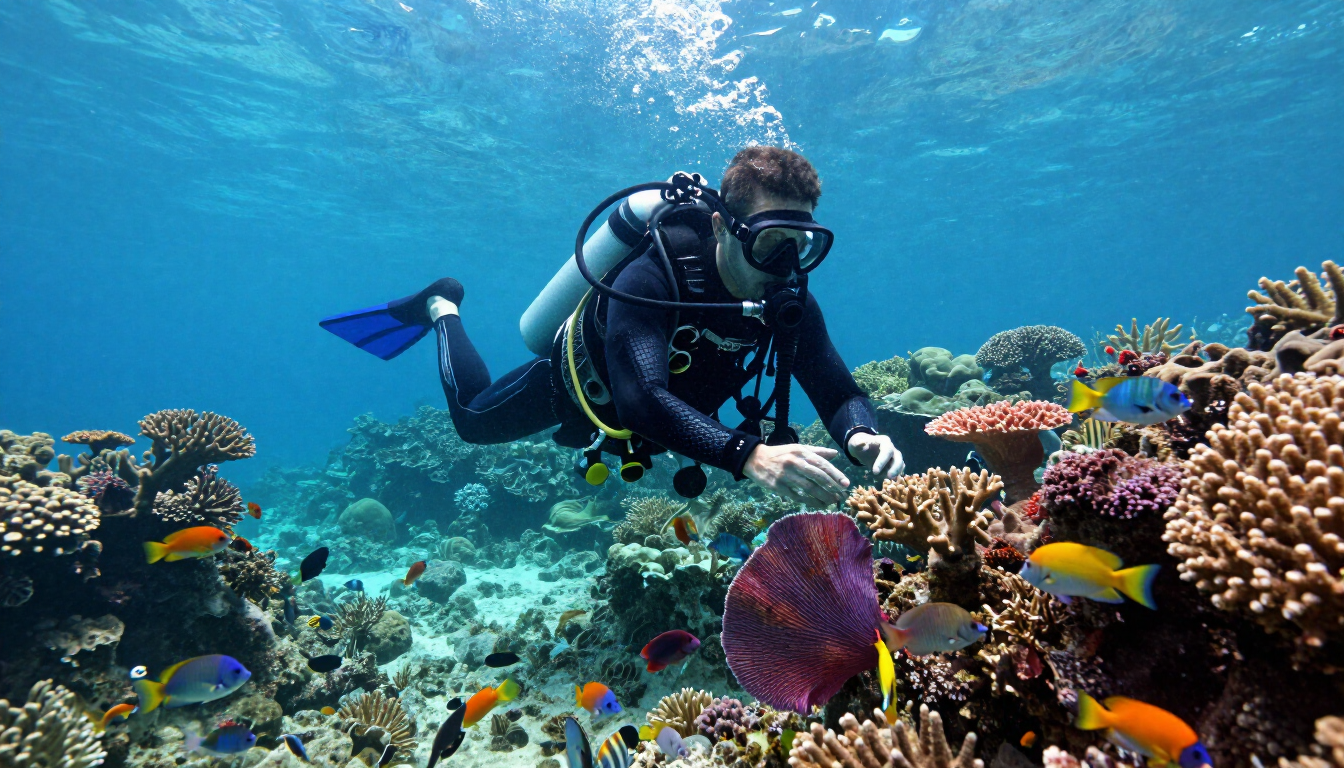
When the sun sets, the reef undergoes a dramatic transformation. Creatures that hide during the day—like octopuses, lobsters, and eels—emerge to hunt, while the vibrant colors of the coral, often muted by depth during the day, pop with incredible intensity under the beam of a dive light. Night diving is often described as a peaceful, almost meditative experience where your world is narrowed down to the circle of light in front of you.
However, diving in total darkness requires a specific set of skills. The PADI Night Diver specialty teaches you how to communicate with your buddy using light signals, how to navigate when you can't see the surface or distant landmarks, and how to enter and exit the water safely at night. You will also learn about nocturnal aquatic life and how to interact with them without causing stress. The thrill of seeing bioluminescence—tiny organisms that glow when you move the water—is an experience every diver should have at least once.
How do you improve Underwater Navigation?
Have you ever finished a dive only to find yourself 50 meters away from the boat, facing a long surface swim? Underwater navigation is the skill that separates the leaders from the followers. While it might seem like magic when an instructor leads you through a complex reef system and brings you right back to the anchor line, it is actually a combination of two techniques: natural navigation and compass navigation.
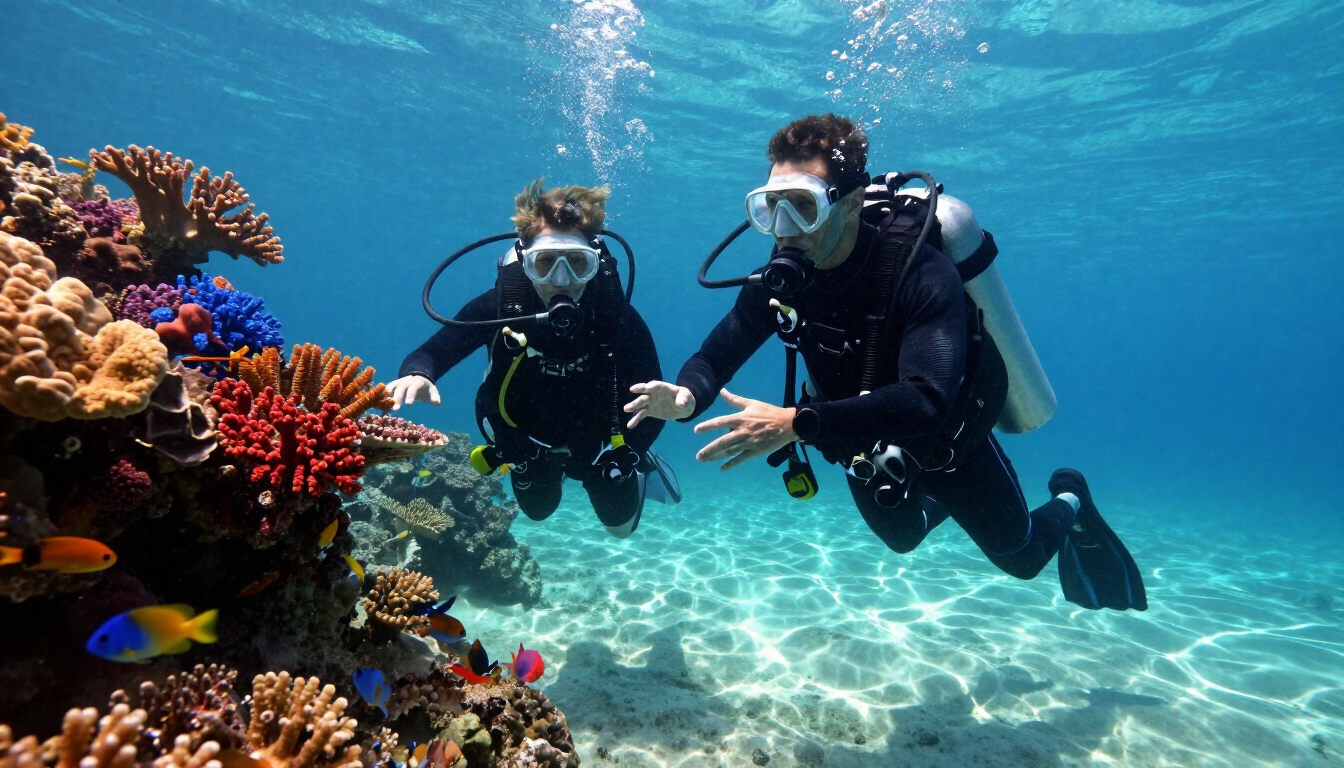
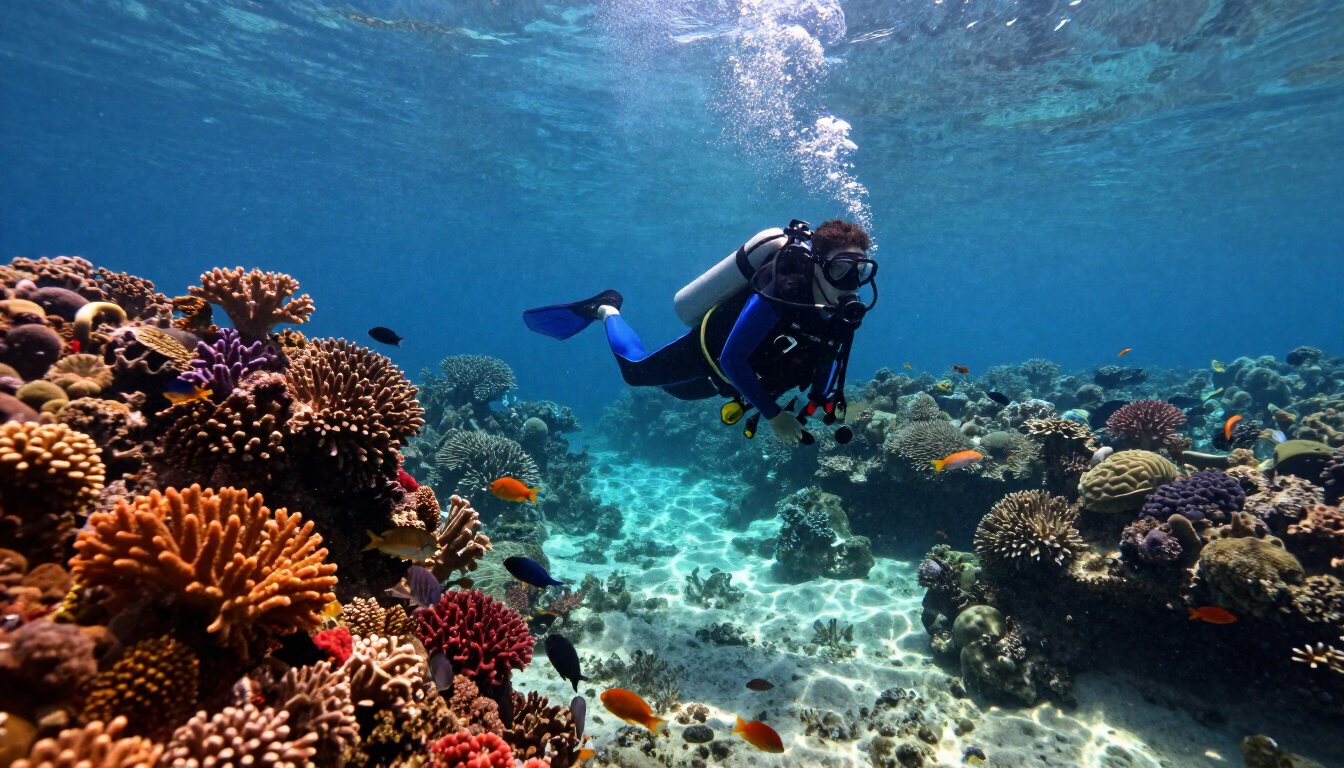
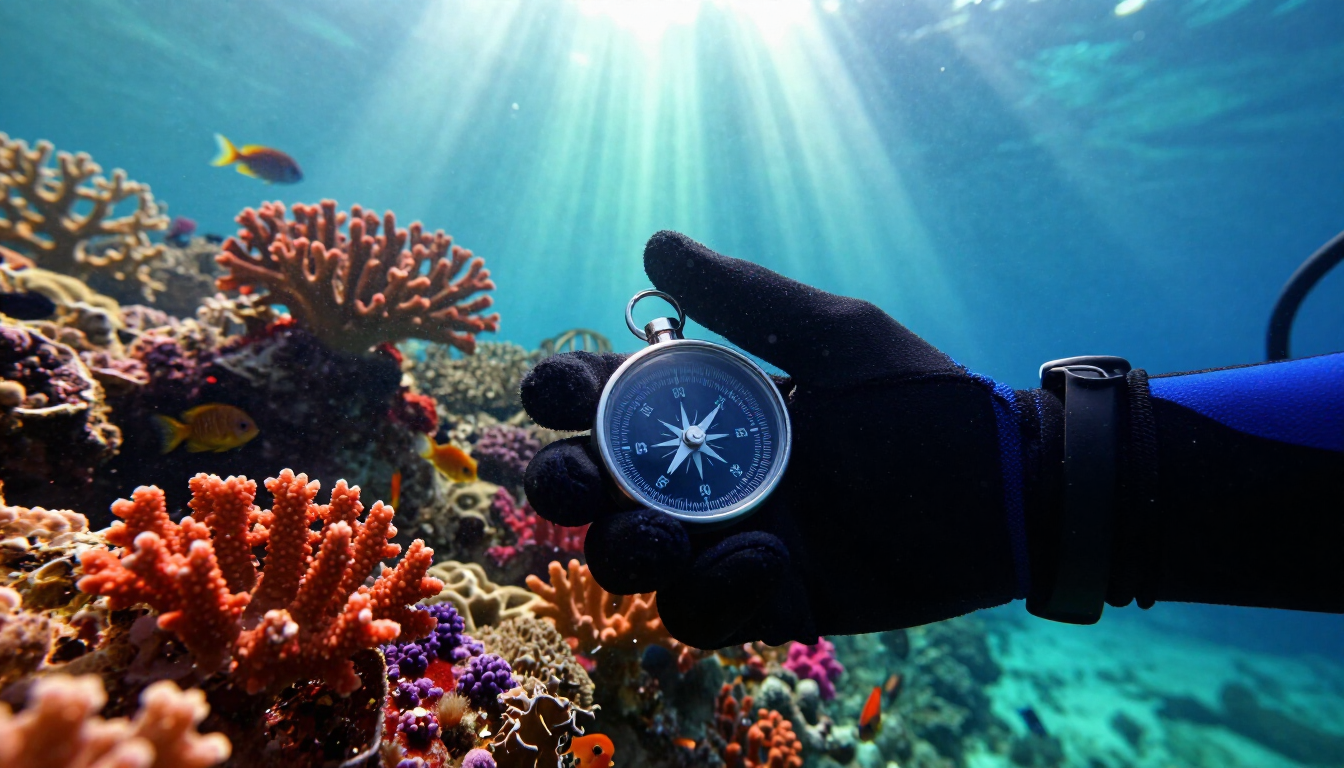
In the Underwater Navigation specialty, you learn to read the "clues" the ocean gives you. This includes understanding sand ripples, current direction, and the placement of specific coral formations. You will also master the use of the underwater compass, learning how to set headings, navigate squares and triangles, and accurately estimate distance using kick cycles or elapsed time. Improving your navigation skills not only makes you a more independent diver but also significantly reduces the anxiety of getting lost in low-visibility conditions.
Essential Equipment for Advanced Specialties
As you progress into specialty diving, your gear bag will likely expand. Each discipline requires specific tools that help you manage the unique challenges of the environment. For deep diving, many divers invest in a high-quality dive computer that can handle multiple gas mixes and provide clear decompression data. A secondary air source, such as a pony bottle or a high-quality octopus, becomes even more critical.
For night diving, the primary tool is, of course, the dive light. Modern LED lights are incredibly powerful and long-lasting, but a specialty diver knows the importance of carrying a backup light and a small "tank marker" or strobe so their buddy can keep track of them. Navigation specialists often prefer a wrist-mounted compass for ease of use, and many also carry a small underwater slate to map out the reef as they go. If you need to upgrade your kit, you can book a session to consult with our experts at the Twobar Scuba shop.
Is the Wreck Diver specialty worth it?
Shipwrecks are time capsules of history and magnets for marine life. From sunken naval vessels to accidental reef-builders, wrecks offer a unique diving experience. The Wreck Diver specialty is essential for anyone interested in exploring these structures safely. You will learn how to evaluate a wreck for hazards, how to use reels and lines for penetration, and how to avoid the "silt-out" that can occur when a diver's fins disturb the sediment inside a confined space. It is one of the most technically challenging but rewarding specialties available.
Summary of Your Next Diving Adventure
PADI specialty courses are the most effective way to transition from a beginner to a confident, skilled diver. By focusing on specific disciplines like Deep Diving, Night Diving, and Navigation, you gain the technical knowledge and practical experience needed to explore the ocean's most challenging and beautiful environments. These certifications provide more than just a card; they offer the safety protocols, equipment proficiency, and environmental awareness necessary for a lifetime of underwater exploration.
Key Takeaways for Aspiring Specialty Divers:
- Deep Diving expands your horizons to 40 meters and teaches narcosis management.
- Night Diving reveals a hidden world of nocturnal marine life and light communication.
- Underwater Navigation builds independence and eliminates the stress of getting lost.
- Wreck Diving provides the skills to safely explore historical sunken structures.
- Specialties are the required building blocks for reaching the Master Scuba Diver rating.
Ready to take the next step in your diving journey? Whether you are looking for world-class training or an unforgettable trip to Sodwana Bay , Twobar Scuba is here to guide you through every fathom. Dive with the wild, and let your skills match your sense of adventure.