Sodwana Bay Dive Trip Packing List: 10 Essentials
Packing for a Sodwana Bay dive trip requires a mix of scuba gear (mask, fins, dive computer), sun protection (SPF 50+, hats), and casual beachwear. Since Sodwana is remote, bringing spares and reef-safe sunscreen is essential for a safe, eco-friendly experience at this premier South African dive destination.
What scuba gear should I pack for Sodwana Bay?
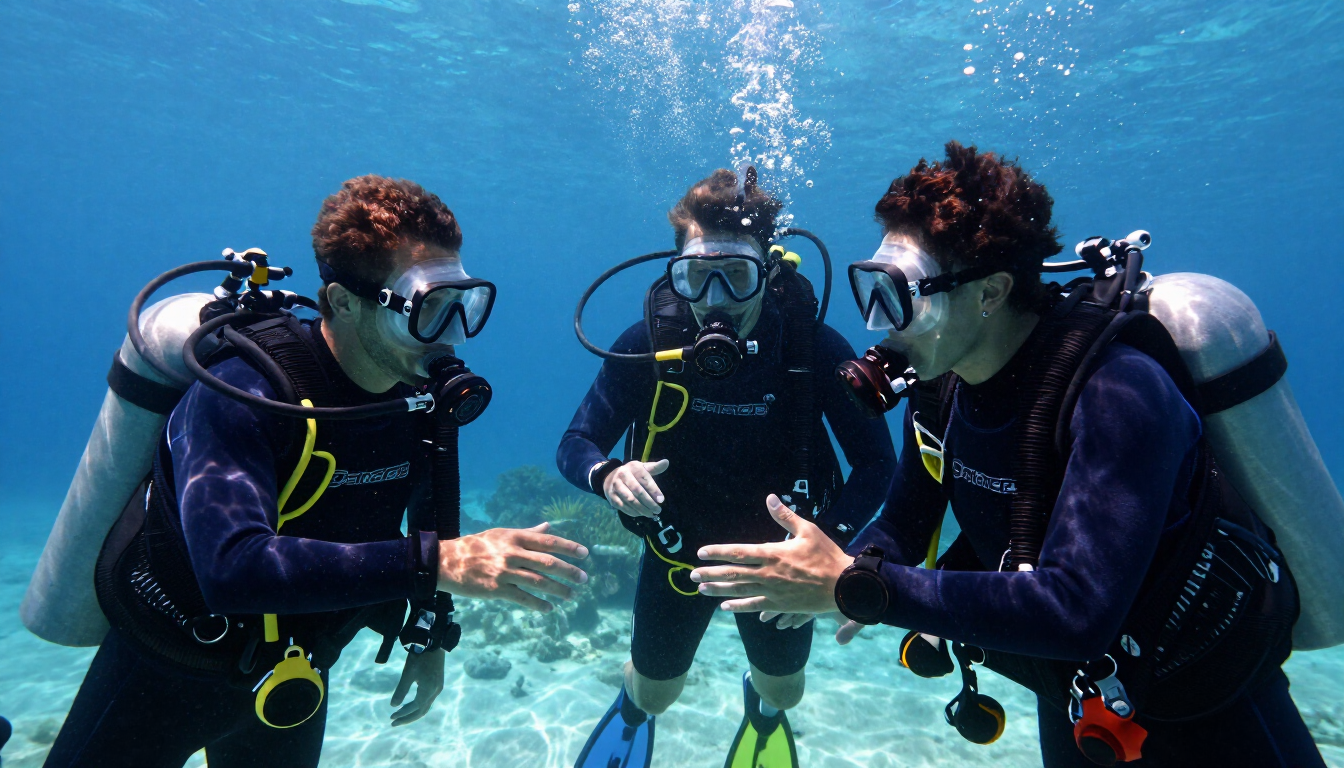
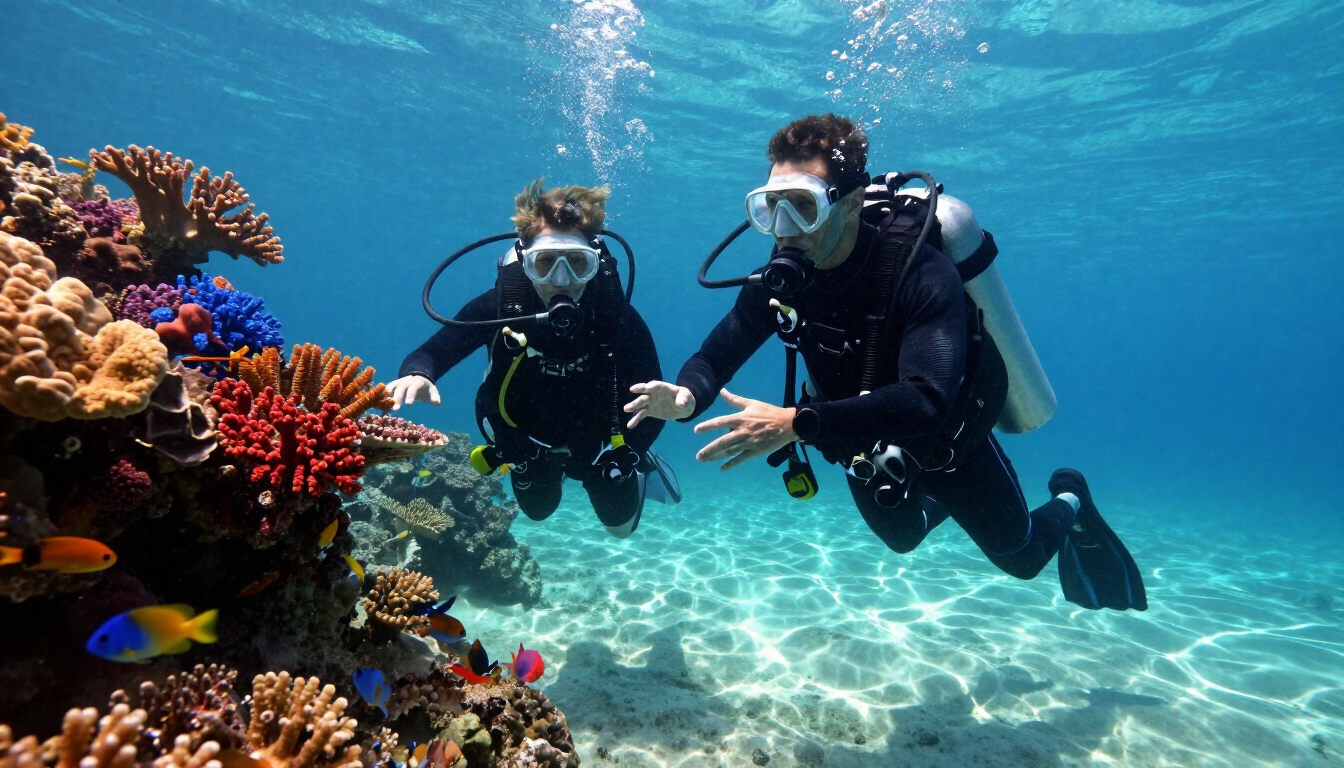
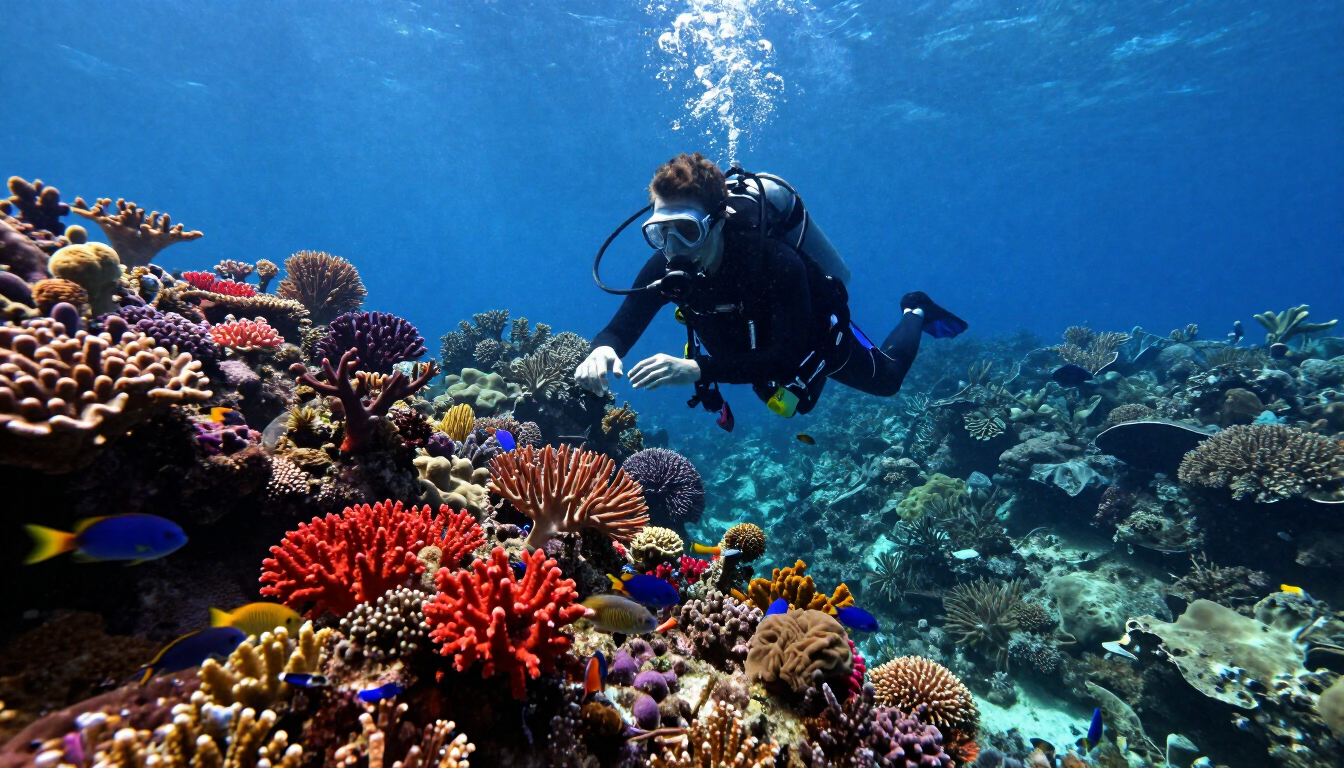
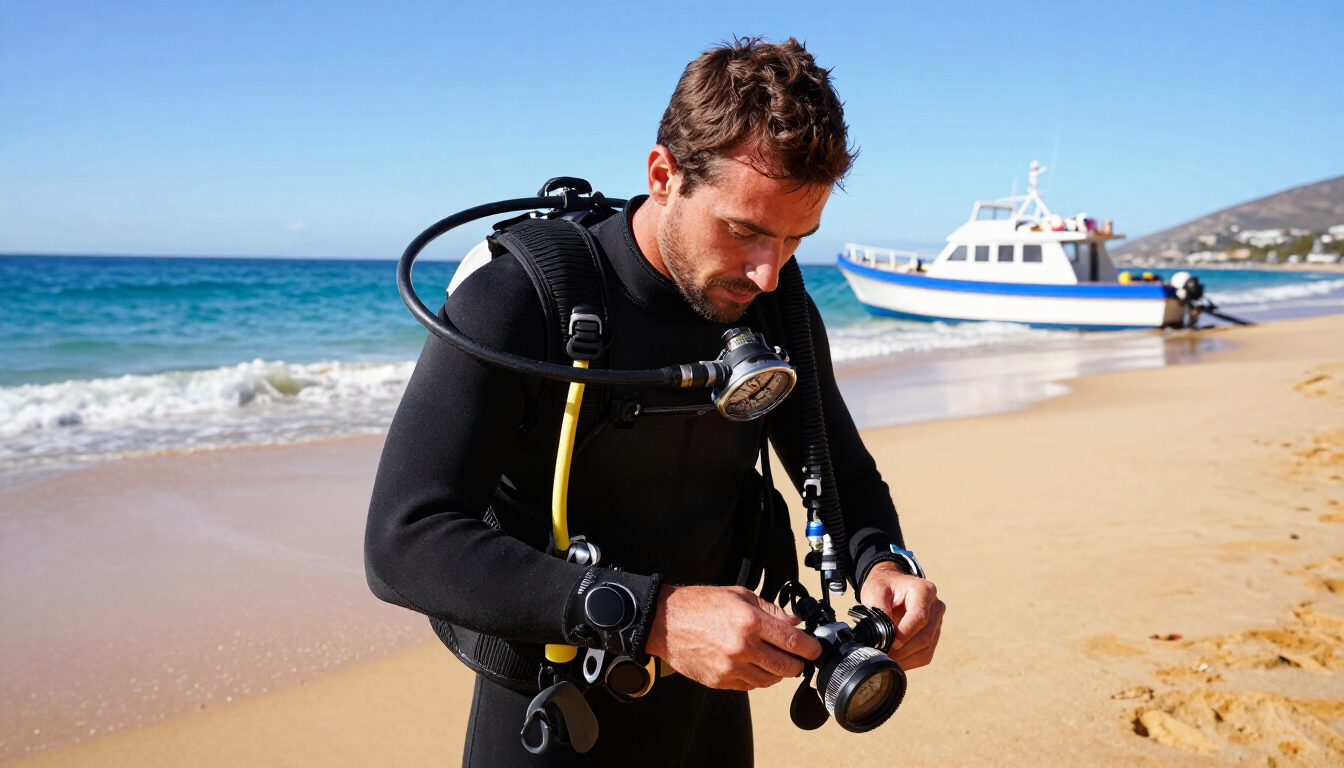
Sodwana Bay, located within the iSimangaliso Wetland Park, offers world-class diving with warm Indian Ocean currents. However, the unique nature of the surf launches and the remote location means your packing list needs to be precise. If you own your equipment, bringing it ensures comfort, but Diving in Sodwana with Twobar Scuba also offers the option to rent high-quality gear. If you are packing your own, consider the following essentials:
- Exposure Protection: Water temperatures range from 20°C in winter to 28°C in summer. A 5mm wetsuit is generally recommended for year-round comfort, though a 3mm might suffice in the height of summer.
- The Right Mask: There is nothing worse than a leaking mask when you're trying to spot a Whale Shark. Ensure your mask fits perfectly and bring a spare strap or a backup mask just in case.
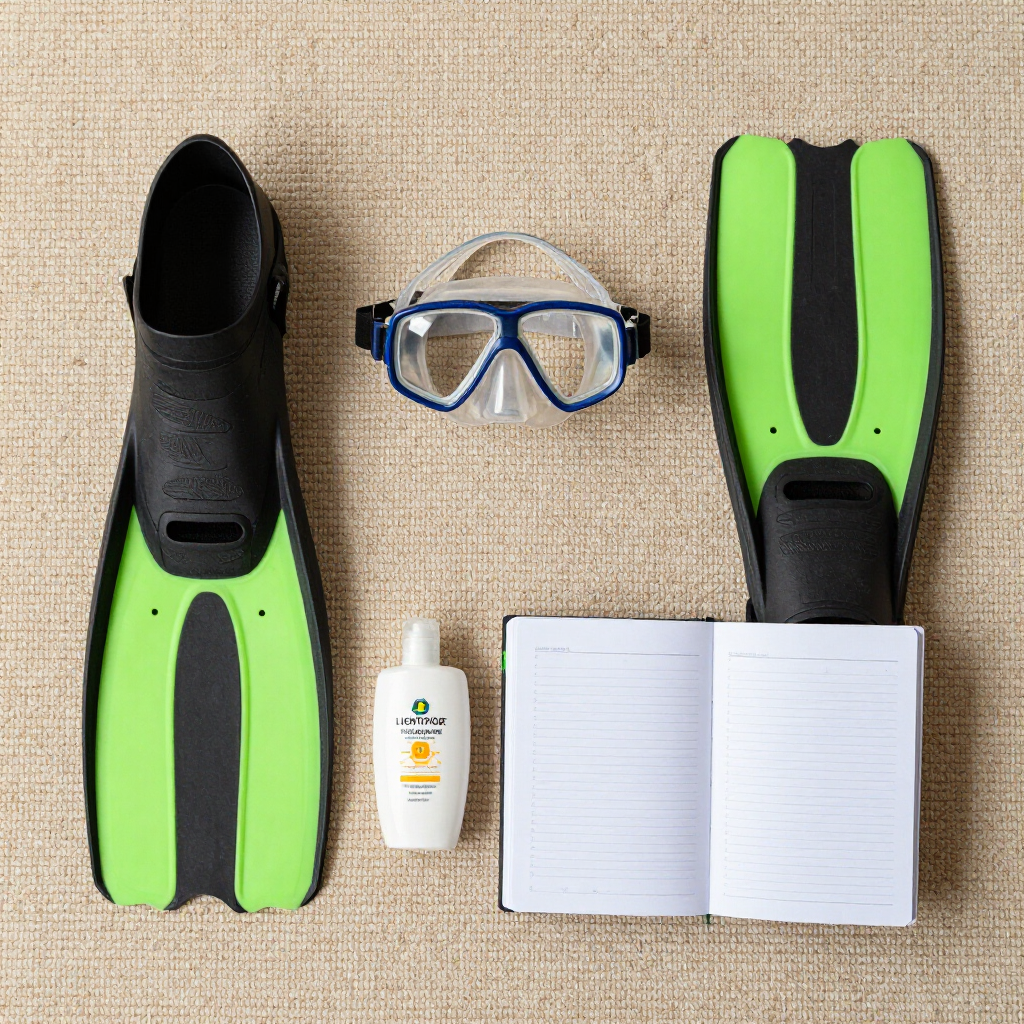
- Fins and Booties: Most diving here involves boat entries from the beach. Sturdy booties are essential for walking across the sand to the boat, and open-heel fins are the standard for power in the currents.
- Surface Marker Buoy (SMB): Safety is paramount. Because of the boat traffic and potential currents, every diver should carry their own SMB and know how to deploy it.
- Dive Computer: While you can dive with a buddy, having your own computer allows you to track your nitrogen loading accurately across multiple dives.
How do I protect my skin from the South African sun?
The sun in KwaZulu-Natal is exceptionally strong, and when you spend hours on a dive boat or the beach, the risk of severe sunburn is high. Traditional sunscreens often contain chemicals like oxybenzone that harm coral reefs. Since we want to keep the reefs of Sodwana pristine for generations, your packing list must prioritize eco-friendly protection.
- Reef-Safe Sunscreen: Look for mineral-based blockers (zinc oxide or titanium dioxide) that specifically state they are "reef-safe."
- UV Rash Guards: A long-sleeved rash guard provides excellent protection during surface intervals and prevents chafing from your BCD.
- Polarized Sunglasses: The glare off the Indian Ocean can be intense. Polarized lenses help protect your eyes and make it easier to spot marine life from the boat.
- Wide-Brimmed Hat: A hat with a chin strap is best, as the wind on the boat can easily whisk a standard cap into the ocean.
- Hydration Solutions: Dehydration increases the risk of decompression sickness. Pack a reusable water bottle to stay hydrated between dives.
Protecting yourself is just as important as protecting the environment. If you are new to the sport and want to learn more about ocean conservation and safety, check out our Training options to sharpen your skills before your trip.
Do I need to bring my own dive computer?
While many dive centers provide rental computers, we highly recommend bringing your own for a Diving in Sodwana adventure. A dive computer is your most important safety tool. It calculates your depth and time in real-time, providing you with critical information to stay within safe limits. When you own your computer, you are familiar with its interface, alarms, and settings, which reduces stress during a dive. If you're still deciding on which model to buy, our Blog often features reviews and guides on the latest dive technology to help you choose.
Sodwana Bay Essentials: Beyond the Water
Sodwana Bay is not just about the time spent underwater; it is a lifestyle. The village is rustic, and the vibe is laid-back. Packing the right clothing and accessories for your surface intervals and evenings will make your stay much more comfortable. Remember that Sodwana is a bit off the beaten path, so "popping to the shop" isn't always an option for specialized items.
- Casual Clothing: Think shorts, T-shirts, and flip-flops (locally known as slops). Most evenings are spent around a braai (barbecue), so expensive fashion isn't necessary.
- Light Windbreaker: Even in summer, the wind can pick up on the boat or in the evenings. A light, waterproof jacket is a lifesaver.
- Insect Repellent: Sodwana is in a low-risk malaria area, but mosquitoes can still be a nuisance in the evenings. Pack a DEET-free repellent if possible.
- Power Bank and Adapters: South Africa uses Type M and Type N plugs. If you’re coming from overseas, ensure you have the right adapter to keep your camera gear charged.
- Cash for Tips and Small Purchases: While many places take cards, having cash for car guards, park entry fees, and tipping your dive boat crew is essential.
What documents are required for diving in Sodwana?
Before you can jump into the water, you’ll need to complete some paperwork. Having these documents organized in a waterproof folder will save you time and stress at the dive center. If you are planning to Book your session in advance, it helps to have digital copies ready to email as well.
- Certification Card: Whether it's NAUI, PADI, or another agency, you must show proof of your qualification level.
- Logbook: This proves your experience level. Some of the deeper reefs in Sodwana require a minimum number of logged dives for safety reasons.
- Medical Clearance: If you have any pre-existing health conditions, a signed fit-to-dive medical from a doctor is mandatory.
- Identification: A copy of your ID or passport is often required for park permits and check-in procedures.
- Insurance Details: Ensure your travel insurance specifically covers scuba diving, including emergency evacuation.
Packing Checklist for Remote Diving
When you are diving in a location like Sodwana Bay, you can't always find a replacement for a small, specialized part. A "Save-a-Dive" kit is a collection of small spares that can prevent a broken O-ring or a snapped strap from ruining your entire day. We recommend every diver keeps a small dry bag with these items nearby.
- Spare O-Rings and Lube: These are the most common points of failure in dive gear. A small multi-kit can be a trip-saver.
- Mask and Fin Straps: Silicone can perish in the heat. Having a spare set means you won't miss out on a dive if one snaps.
- Cable Ties and Multi-tool: From fixing a loose hose protector to adjusting a weight belt, these are incredibly versatile.
- Anti-fog Solution: While baby shampoo works, a dedicated anti-fog gel is often more effective in the humid conditions of the coast.
- Basic First Aid: Include sea-sickness tablets (the surf launch can be bumpy), antihistamines, and antiseptic cream for small coral scrapes.
Summary of Sodwana Bay Packing Tips
To ensure your first trip to Sodwana Bay is a success, focus on packing functional gear that can withstand a rugged coastal environment. Prioritize high-quality exposure protection, reef-safe sun care, and all necessary certification documents. Because the area is remote, bringing a small kit of spare parts and staying hydrated are key to a stress-free experience.
Core Takeaways for Your Trip:
- Bring a 3mm to 5mm wetsuit depending on the season for thermal protection.
- Use reef-safe mineral sunscreen and UV-rated clothing to protect against the African sun.
- Always carry your certification card and an updated logbook.
- Pack a