
What is PADI? Why Scuba Accreditation Matters (2026)

June 1, 2026

Share this article

Finding the Best Scuba Instructor in Pretoria

For many aspiring divers in Gauteng, the journey begins far from the ocean. Finding a high-quality Scuba Instructor in Pretoria is the first step toward a lifetime of adventure. At Twobar Scuba, we provide a safe and supportive environment for learning, right in the heart of the city. Our training center is designed to take the intimidation factor out of scuba diving, making it accessible to everyone, including those looking for wheelchair-friendly facilities.

Learning in a local environment allows you to take your time. Instead of rushing through a course during a short beach holiday, you can master your buoyancy and equipment handling in a controlled pool setting. This builds the muscle memory required to stay calm when you finally hit the ocean. Our instructors are passionate about sharing their love for the water, ensuring that by the time you reach the coast, you are ready to enjoy the view rather than worrying about your gear.

Diving in Sodwana Bay: Why Certification is Key

Sodwana Bay is widely considered one of the premier diving destinations in the world. Located within the iSimangaliso Wetland Park, it offers vibrant coral reefs, a massive variety of fish species, and the chance to see larger marine life like whale sharks and manta rays. However, the conditions in Sodwana can vary, with surge and currents that require a solid foundation of skill.

This is where your accreditation truly matters. When you join a Dive Trip in Sodwana with Twobar Scuba, our Dive Masters use your certification level as a guide to plan safe dives. Whether you are exploring 2-Mile Reef or venturing deeper to 5, 7, or 9-Mile Reefs, your training ensures you have the air consumption skills and depth awareness to enjoy these sites responsibly. Sodwana is a place where the wild meets the tide, and being a certified, accredited diver allows you to be a participant in that magic rather than a spectator.

Summary of Why Accreditation Matters

In conclusion, PADI and NAUI accreditation serve as the gold standard for underwater safety and education. By choosing an accredited path, you ensure that your skills are recognized globally and that your training is based on proven safety protocols. Whether you are just starting your journey with a Training course or are an experienced diver heading to the reefs of South Africa, the quality of your instruction defines your experience.

Key Takeaways:

  • Safety First: Accreditation ensures you learn vital emergency and buoyancy skills.
  • Global Reach: Major certifications are recognized by dive shops worldwide.
  • Quality Control: Agencies like PADI and NAUI hold instructors to high educational standards.
  • Lifelong Skill: Once certified, you have a baseline of knowledge that can be expanded through specialties.
  • Confidence: Proper training allows you to focus on the beauty of marine life rather than gear anxiety.

Ready to take the plunge? Book your training or next dive trip today and experience the thrill of the ocean with Twobar Scuba!

PADI, or the Professional Association of Diving Instructors, is the world’s largest and most recognized scuba training organization. PADI accreditation ensures that a diver's certification meets rigorous international safety and educational standards, allowing them to rent equipment, book boat dives, and explore underwater environments globally with confidence and professional recognition.

What is PADI and how does it work?

To understand the world of scuba diving, one must first understand the infrastructure that keeps it safe. PADI functions as a governing body for diver education. Rather than being a single school, it is a membership organization that provides standardized curricula to dive centers and instructors worldwide. When you enroll in a PADI course, you are following a structured pedagogical path designed to move you from a complete novice to a competent underwater explorer.

The PADI system is based on progressive training. It starts with introductory experiences and moves into foundational certifications like the Open Water Diver course. From there, divers can specialize in areas such as deep diving, underwater photography, or wreck exploration. The organization sets the standards for what skills must be mastered, the safety protocols that must be followed, and the environmental ethics that divers should uphold.

Key components of the PADI system include:

  • Standardized Learning Materials: Manuals, videos, and e-learning platforms ensure every student receives the same information.
  • Skill Mastery: Students must demonstrate specific physical skills in a controlled environment before moving to open water.
  • Instructor Accountability: PADI monitors its instructors through a quality management system to ensure they adhere to safety standards.
  • Global Portability: A PADI card is essentially a passport to the ocean, accepted at virtually every dive operation on the planet.

Why is scuba diving accreditation important for safety?

Accreditation in scuba diving isn't just a piece of plastic for your wallet; it is a verification of your survival skills. The underwater environment is breathtakingly beautiful but inherently unforgiving to the untrained. Accreditation from a major body like PADI or NAUI (National Association of Underwater Instructors) signifies that you have undergone rigorous testing in buoyancy control, air management, and emergency procedures.

Without standardized accreditation, there would be no way for a dive charter in Sodwana Bay to know if a visitor from another country understands the physiological risks of decompression or the mechanical function of their regulator. Accreditation creates a universal language of safety. It ensures that every certified diver understands the 'buddy system,' knows how to perform a controlled emergency swimming ascent, and respects the limits of their training.

Furthermore, accredited organizations are constantly updating their training based on the latest medical research and technological advancements. This means that a certification earned through an accredited body is based on the most current understanding of dive science. This commitment to evolution is what has made scuba diving one of the safest adventure sports in the world today.

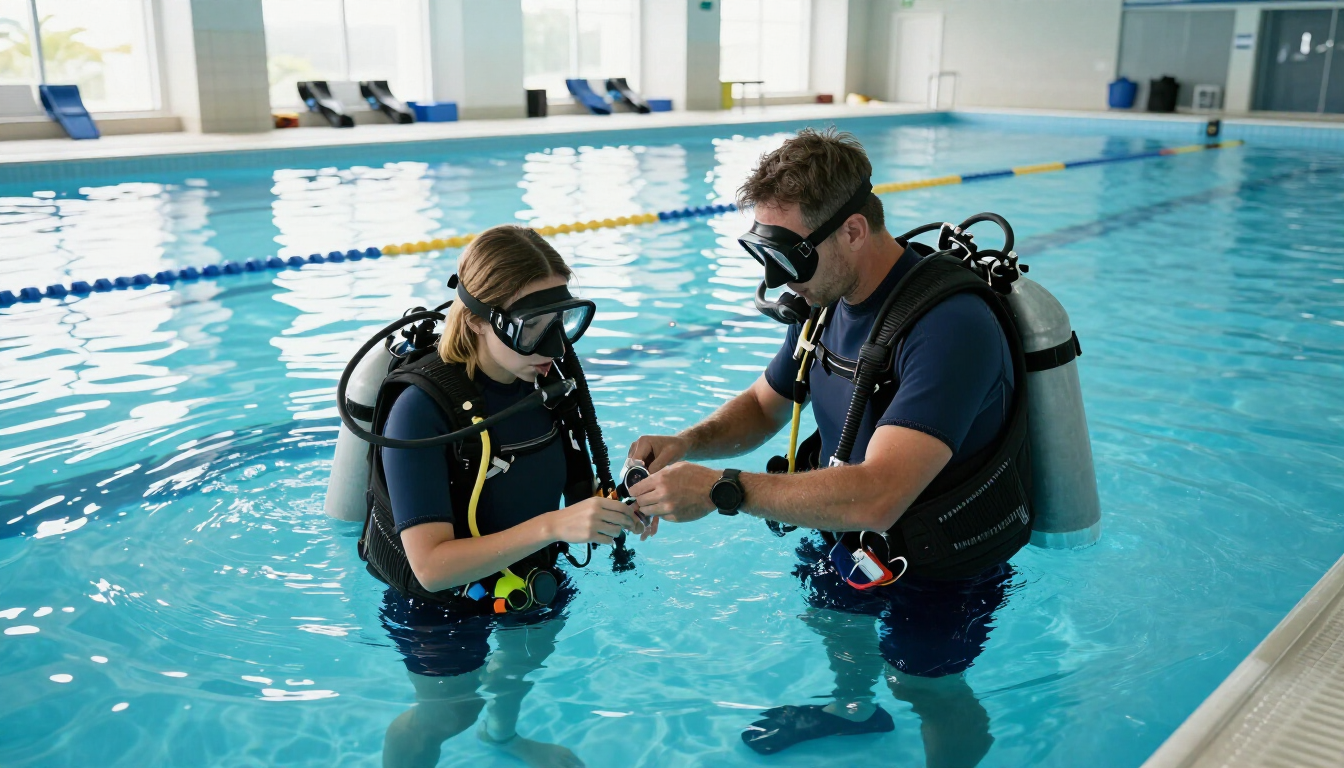
Professional diving instructor teaching student

How does PADI compare to NAUI for new divers?

While PADI is the most well-known name in diving, it is far from the only respected organization. NAUI (National Association of Underwater Instructors) is another titan in the industry, and it is the organization we proudly represent at Twobar Scuba. Many new divers wonder which one is 'better,' but the reality is that both provide world-class education and are held to the same high standards set by the World Recreational Scuba Training Council (WRSTC).

The primary difference often lies in the teaching philosophy. PADI is frequently described as having a very structured, performance-based approach, which is excellent for standardized global learning. NAUI, on the other hand, is known for its 'Academic Freedom' philosophy, allowing instructors more flexibility to tailor their courses to the specific needs of the student and the local diving environment. At Twobar Scuba, we find that the NAUI approach allows us to produce exceptionally confident divers because we can spend more time on the nuances of Diving in Sodwana .

Consider these points when comparing the two:

  • Recognition: Both are globally recognized and interchangeable at the recreational level.
  • History: NAUI is one of the oldest non-profit training agencies, focusing heavily on instructor quality.
  • Curriculum: PADI’s modular system is very user-friendly for fast-paced holiday learning.
  • Safety: Both agencies maintain impeccable safety records and require ISO compliance.

Professional Standards in Scuba Training

Professionalism in scuba training is defined by adherence to established protocols. Whether you are pursuing a PADI or NAUI certification, the 'accreditation' part of the equation means the instructor is not just a good diver, but a trained educator. At Twobar Scuba, our Dive Masters and Instructors have extensive experience in the challenging yet rewarding waters of South Africa. This professional standard is what allows us to offer Training that goes beyond the basics.

Professional standards involve more than just teaching people how to breathe underwater. It involves equipment maintenance, risk assessment, and environmental stewardship. An accredited dive center must ensure that their tanks are hydrostatically tested, their compressors produce clean air, and their rental gear is serviced regularly. When you choose an accredited school, you are paying for an ecosystem of safety that exists behind the scenes.

What should I look for in a dive center?

Choosing where to learn is just as important as choosing which agency to certify with. Not all dive centers are created equal, and your comfort in the water will depend heavily on the quality of the facility and the staff. If you are looking for a Scuba Instructor in Pretoria , you should investigate their reputation and their commitment to student safety.

Here are five things to evaluate:

  1. Accreditation Status: Ensure they are a registered member of a major body like NAUI or PADI.
  2. Instructor Experience: Ask how many years they have been teaching and their familiarity with local dive sites.
  3. Facility Maintenance: Check if the gear looks well-cared-for and if the training pool is clean.
  4. Student-to-Instructor Ratio: Smaller groups often lead to better learning outcomes and more personal attention.
  5. Safety Equipment: Confirm they have oxygen and first aid kits readily available on all trips.
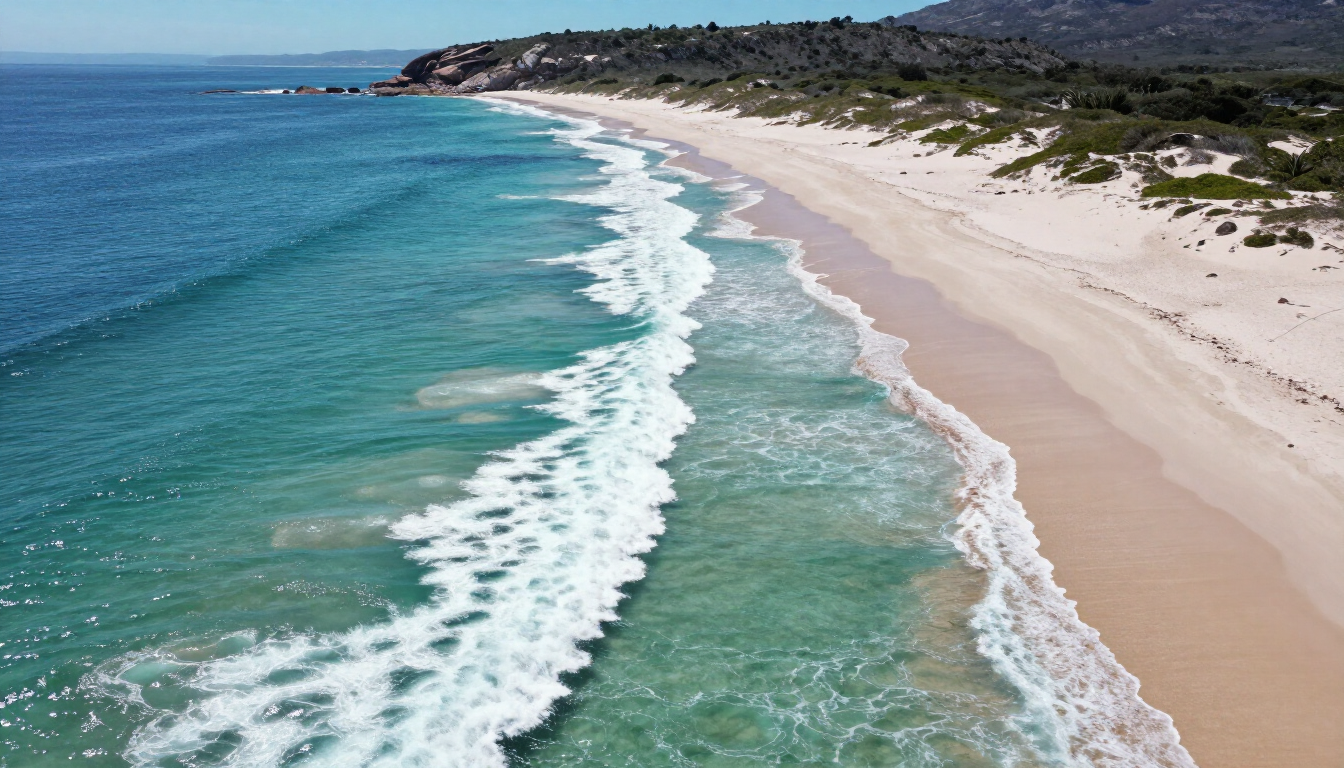
Aerial view of Sodwana Bay shoreline

Recent Posts

Student using PADI eLearning on a tablet at home.
June 1, 2026
Discover how PADI eLearning works. Learn to scuba dive at your own pace with online theory before you hit the water with Twobar Scuba in Sodwana Bay.
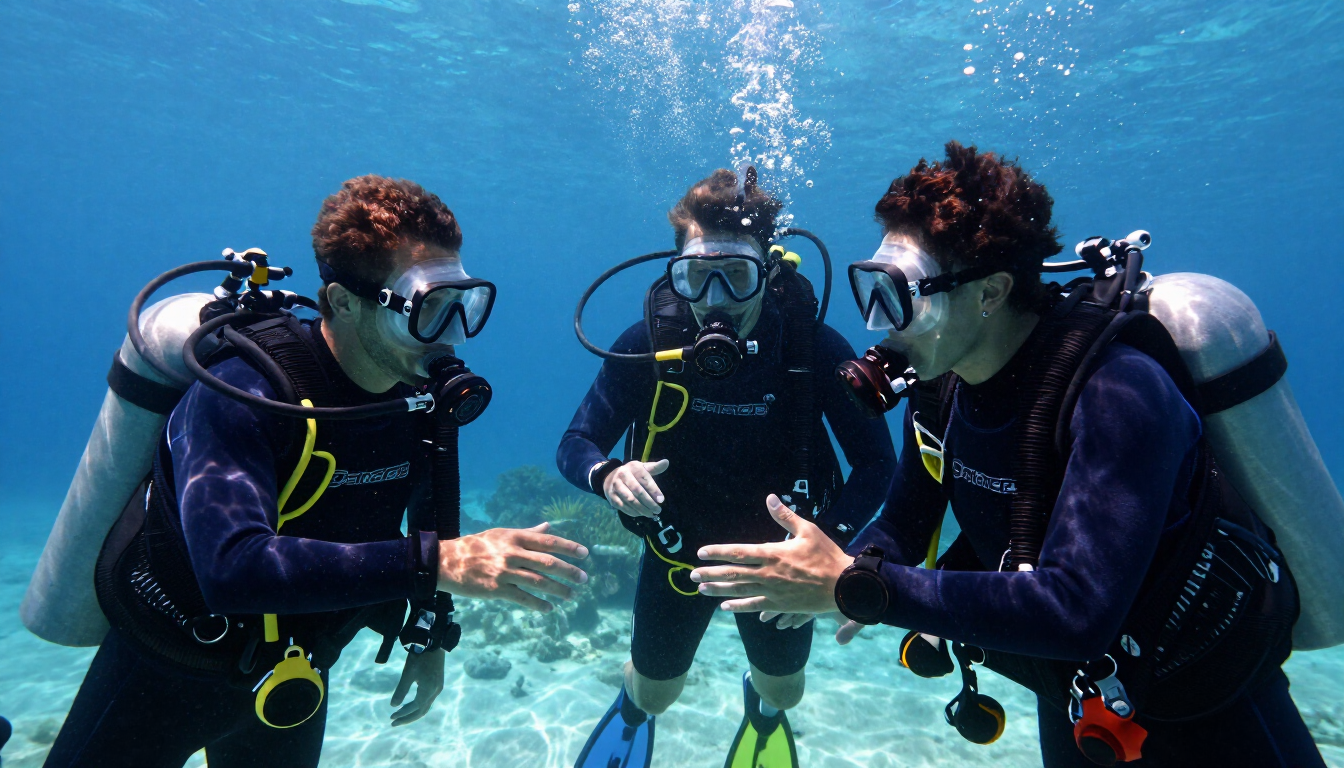
A scuba instructor guiding a small group of students underwater in a clear training environment.
June 1, 2026
Discover why small scuba class sizes are essential for safety, skill mastery, and confidence. Learn how Twobar Scuba's personalized training helps you excel in your certification.
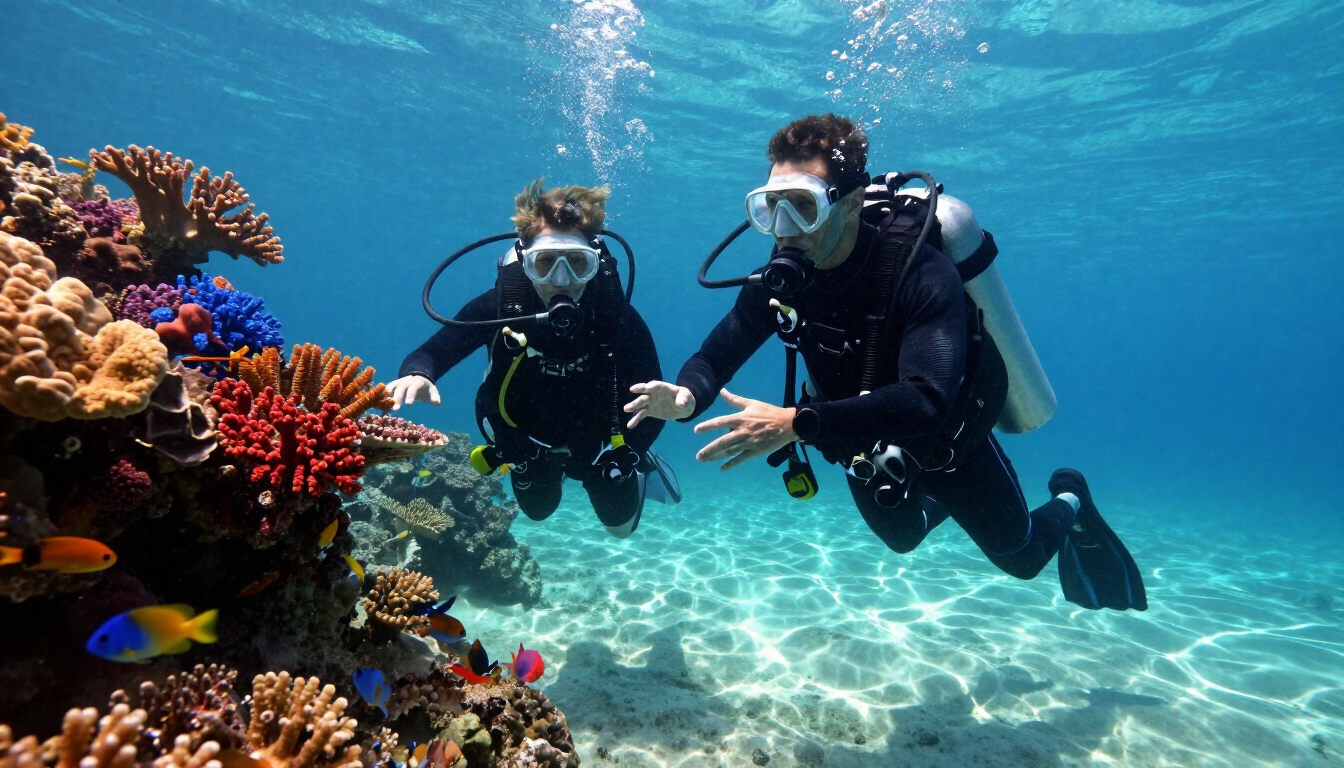
Professional scuba diving instructor and student underwater training session.
June 1, 2026
Learn the core differences between Divemaster and PADI Instructor roles. Explore teaching authority, prerequisites, and professional diving career paths for 2026.
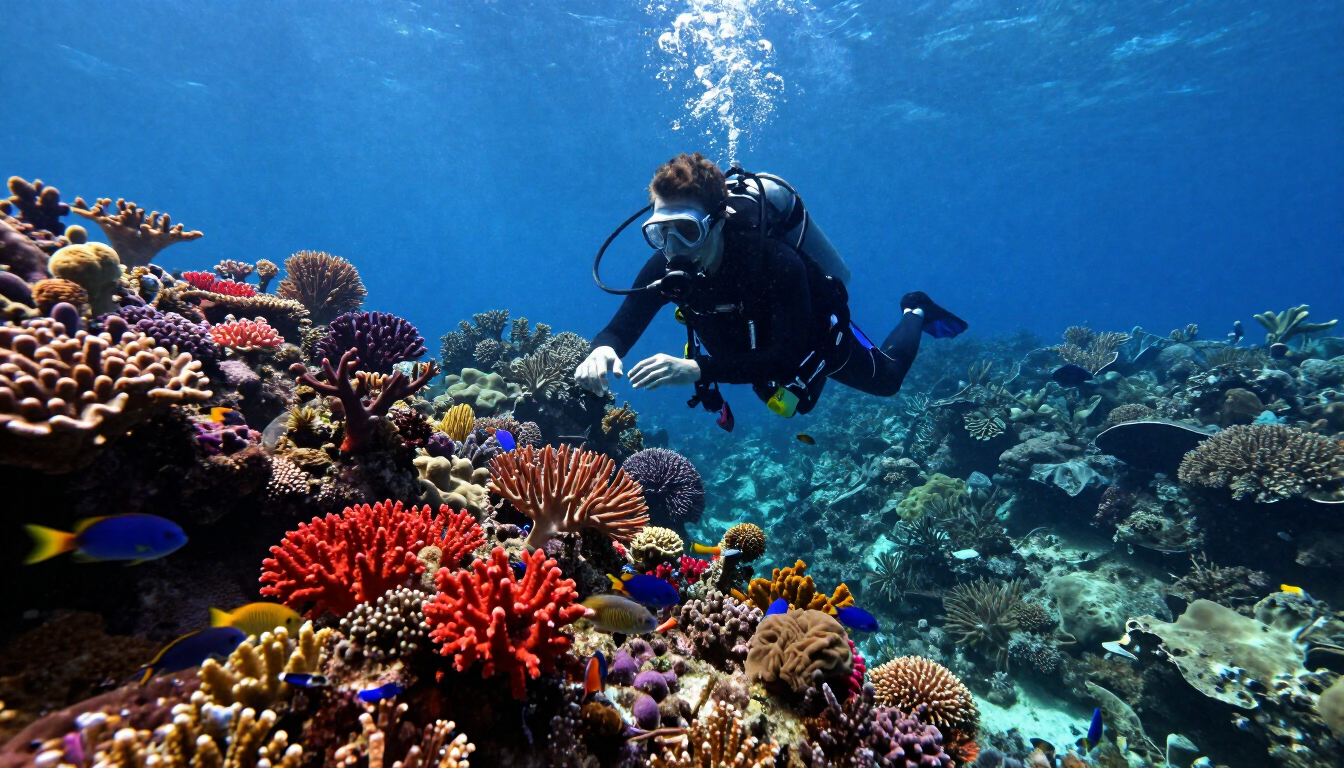
A scuba diver using a compass for underwater navigation near a coral reef.
June 1, 2026
Explore the most popular PADI specialty courses including Deep Diving, Night Diving, and Navigation. Learn how these certifications enhance your skills and underwater safety.
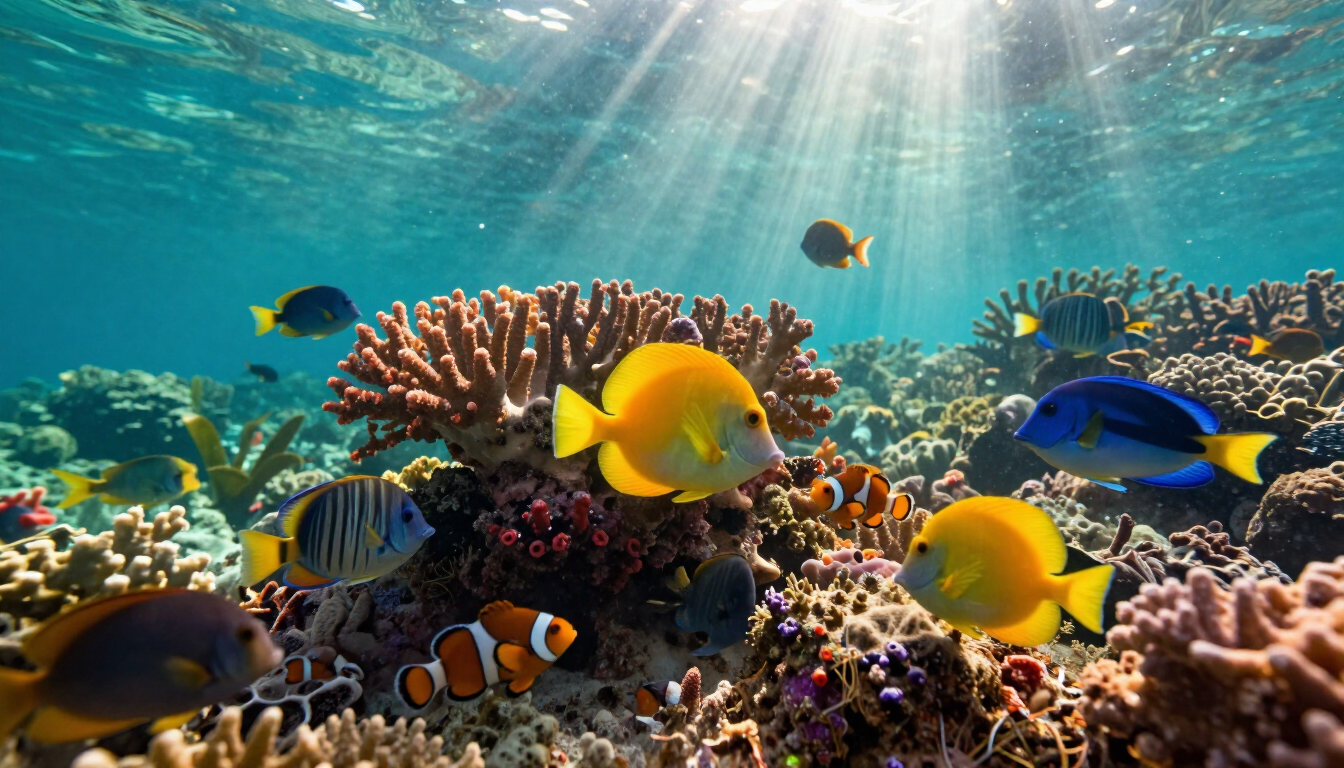
Vibrant coral reef in Sodwana Bay South Africa
June 1, 2026
Complete your NAUI scuba theory in Gauteng and finish your qualifying dives in Sodwana Bay. Learn the benefits of the referral method with Twobar Scuba.
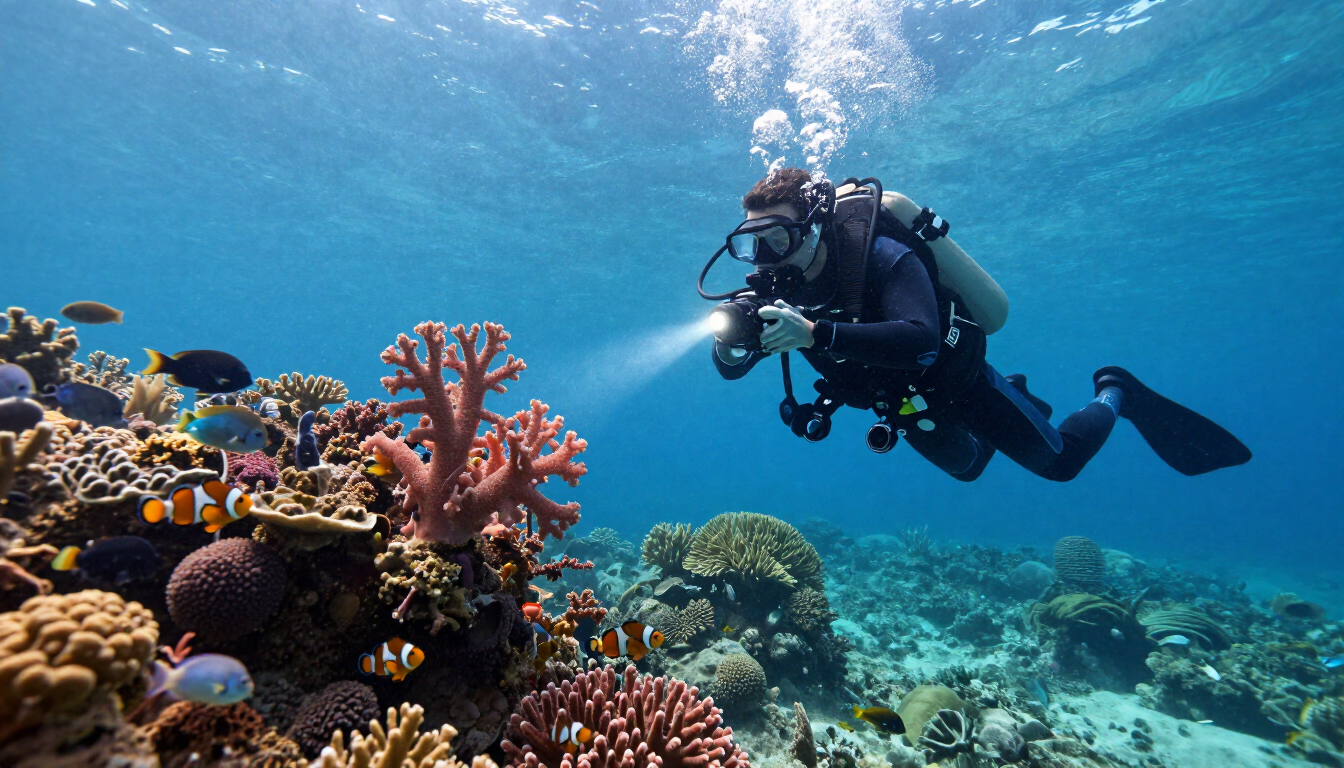
Scuba diver taking photos of coral reef in Sodwana Bay
June 1, 2026
Master underwater photography at Sodwana Bay. Learn essential techniques for stunning marine shots with Twobar Scuba's professional training.
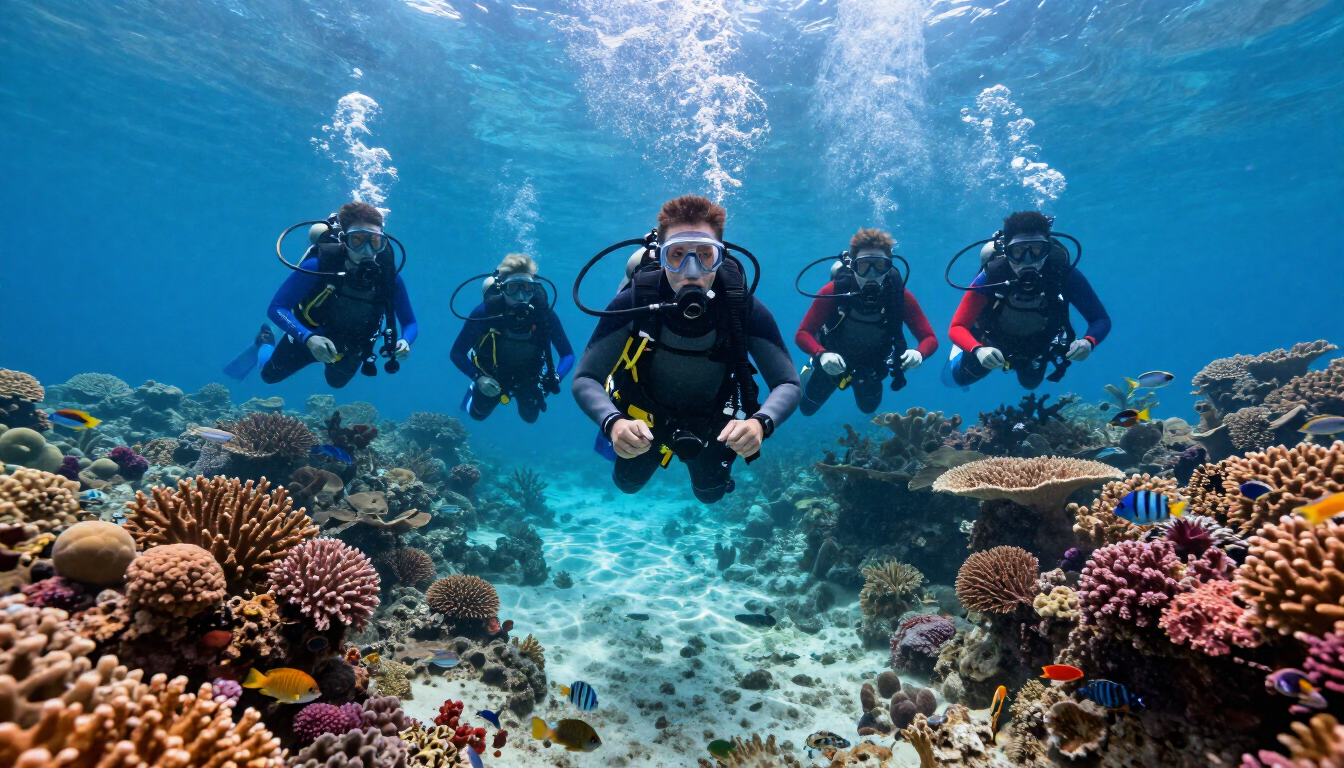
A professional scuba divemaster guiding a group through a vibrant coral reef.
June 1, 2026
Professional Divemaster training at Twobar Scuba. Learn to lead dives in Sodwana Bay and Pretoria with expert NAUI instructors. Start today!
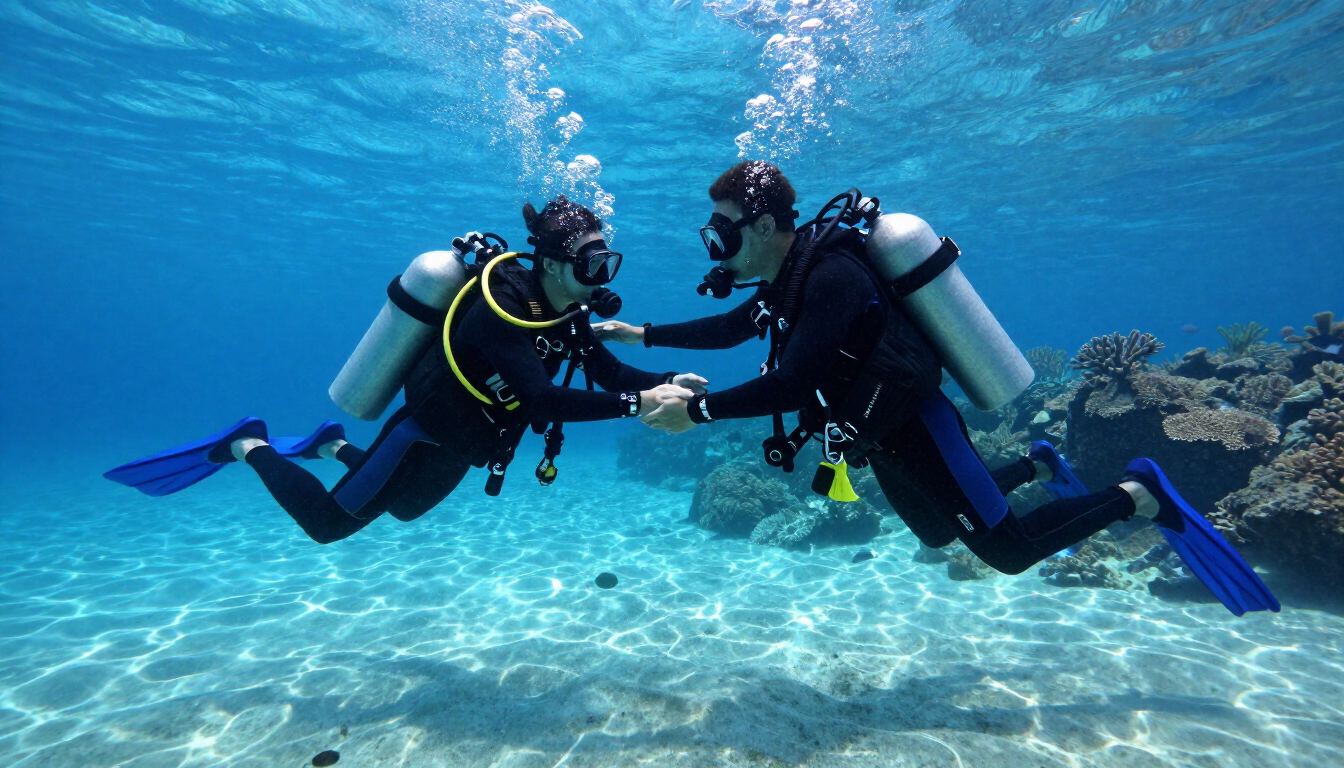
Scuba divers practicing rescue techniques in clear water
June 1, 2026
Explore the Rescue Diver course: what it covers, why it’s the most challenging yet rewarding scuba certification, and how it prepares you for emergencies.
A scuba diver mask underwater with bubbles and blue light.
June 1, 2026
Compare Open Water vs Advanced Open Water certification levels. Discover which course is right for your experience level and how to advance your diving skills at Sodwana Bay.
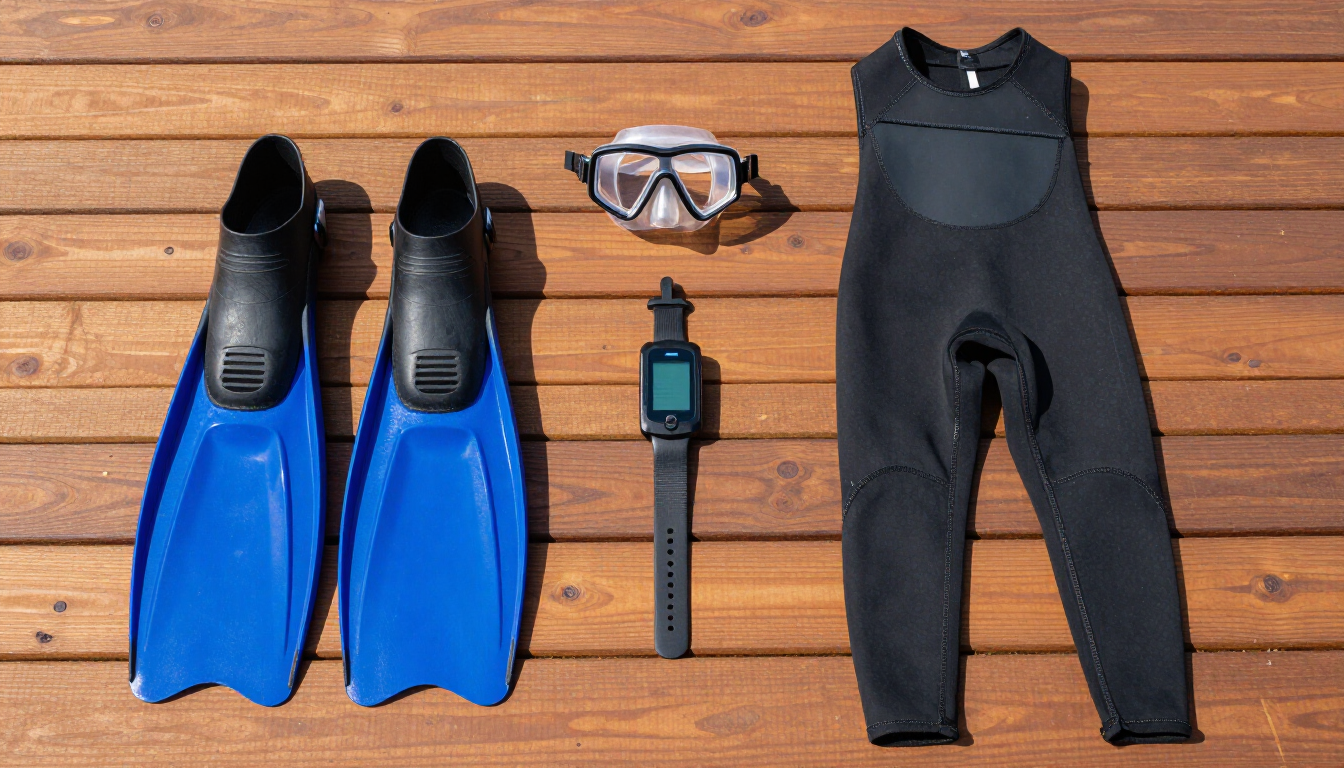
Scuba diving equipment layout for a Sodwana Bay trip.
June 1, 2026
Heading to Sodwana Bay for your first dive? Use our comprehensive packing list covering scuba gear, sun protection, and essential South African travel tips for a perfect trip.

Show More