
Open Water vs. Advanced Open Water: What's Your Next Step?

June 1, 2026

Share this article

Open Water certification provides the foundational skills for diving safely to 18 meters. In contrast, Advanced Open Water training expands these capabilities, allowing you to dive to 30 meters while gaining specialized experience in navigation, deep diving, and buoyancy, making you a more confident and versatile explorer in varied underwater environments.

Deciding how to progress in your scuba journey is a significant milestone for any underwater enthusiast. Whether you have just finished your first pool session or you have a dozen shore dives under your belt, understanding the trajectory of your education is key to enjoying the ocean safely. At Twobar Scuba, we have spent decades guiding divers through these exact transitions, ensuring that every student feels empowered to handle the unique conditions of the Indian Ocean. Choosing between Open Water vs Advanced Open Water isn’t just about the depth on your computer; it is about the scope of your adventure and the level of comfort you feel when the blue water surrounds you.

What is the main difference between Open Water vs Advanced Open Water?

The primary difference between Open Water vs Advanced Open Water lies in the objective of the training. The Open Water course is designed to take a non-diver and teach them the essential physics, physiology, and safety protocols required to survive and thrive in a sub-aquatic environment. It is the "license to learn," focusing heavily on emergency procedures, mask clearing, and regulator recovery.

On the other hand, the Advanced course assumes you already have the basic skills and shifts the focus toward application and exploration. In the Advanced Open Water curriculum, the goal is to introduce you to different diving specialties. You aren't just practicing skills in a controlled environment; you are going on "adventure dives" that expand your horizons. Key differences include:

  • Depth Limits: Open Water divers are typically limited to 18 meters (60 feet), whereas Advanced divers are certified to 30 meters (100 feet).
  • Navigation Proficiency: Advanced training requires mastering compass work and natural navigation to avoid getting lost on complex reefs.
  • Environmental Variety: Advanced courses often include night diving, current/drift diving, or wreck exploration.
  • Supervision Levels: While both certifications allow for buddy diving, many boat charters and deep-sea sites specifically require an Advanced certification for access.
  • Buoyancy Control: Advanced training refines your trim and position, protecting delicate coral ecosystems like those in Sodwana Bay.

Understanding these distinctions helps you map out your Training path. If you are looking to see the deeper wrecks or the elusive pelagic life that hangs out beyond the 20-meter mark, the Advanced certification is your passport to those experiences.

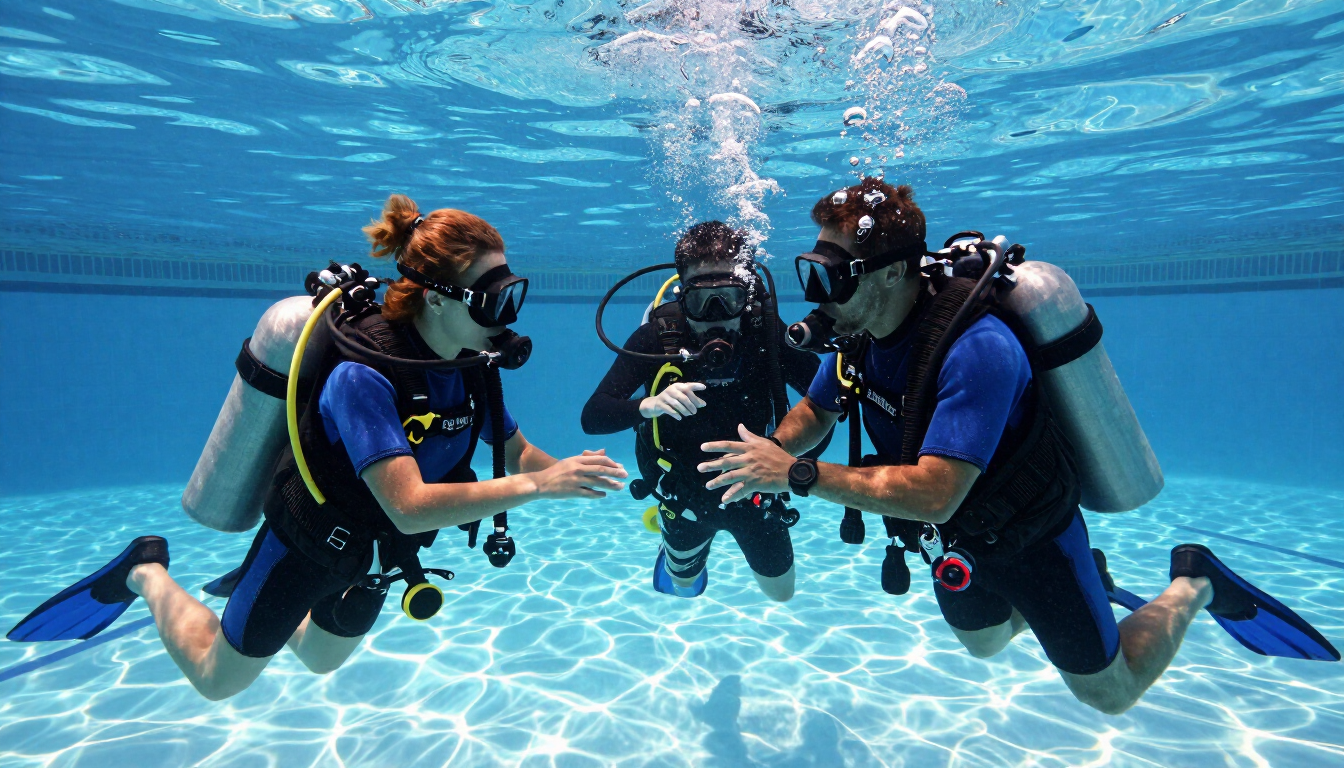
Scuba instructor and students

Understanding the Open Water Certification Foundation

The Open Water certification is the most popular scuba course in the world for a reason. It is the gateway. During this course, you spend a significant amount of time in the classroom or using e-learning modules to understand how nitrogen affects your body, how to calculate your air consumption, and how to communicate with your buddy using hand signals. At Twobar Scuba, we emphasize the NAUI (National Association of Underwater Instructors) standards, which prioritize "Loved One" safety—meaning we train you to the level we would expect for our own family members.

Your journey begins in a confined water environment, usually a pool, where you master the

Recent Posts

Student using PADI eLearning on a tablet at home.
June 1, 2026
Discover how PADI eLearning works. Learn to scuba dive at your own pace with online theory before you hit the water with Twobar Scuba in Sodwana Bay.
A scuba instructor guiding a small group of students underwater in a clear training environment.
June 1, 2026
Discover why small scuba class sizes are essential for safety, skill mastery, and confidence. Learn how Twobar Scuba's personalized training helps you excel in your certification.
Professional scuba diving instructor and student underwater training session.
June 1, 2026
Learn the core differences between Divemaster and PADI Instructor roles. Explore teaching authority, prerequisites, and professional diving career paths for 2026.
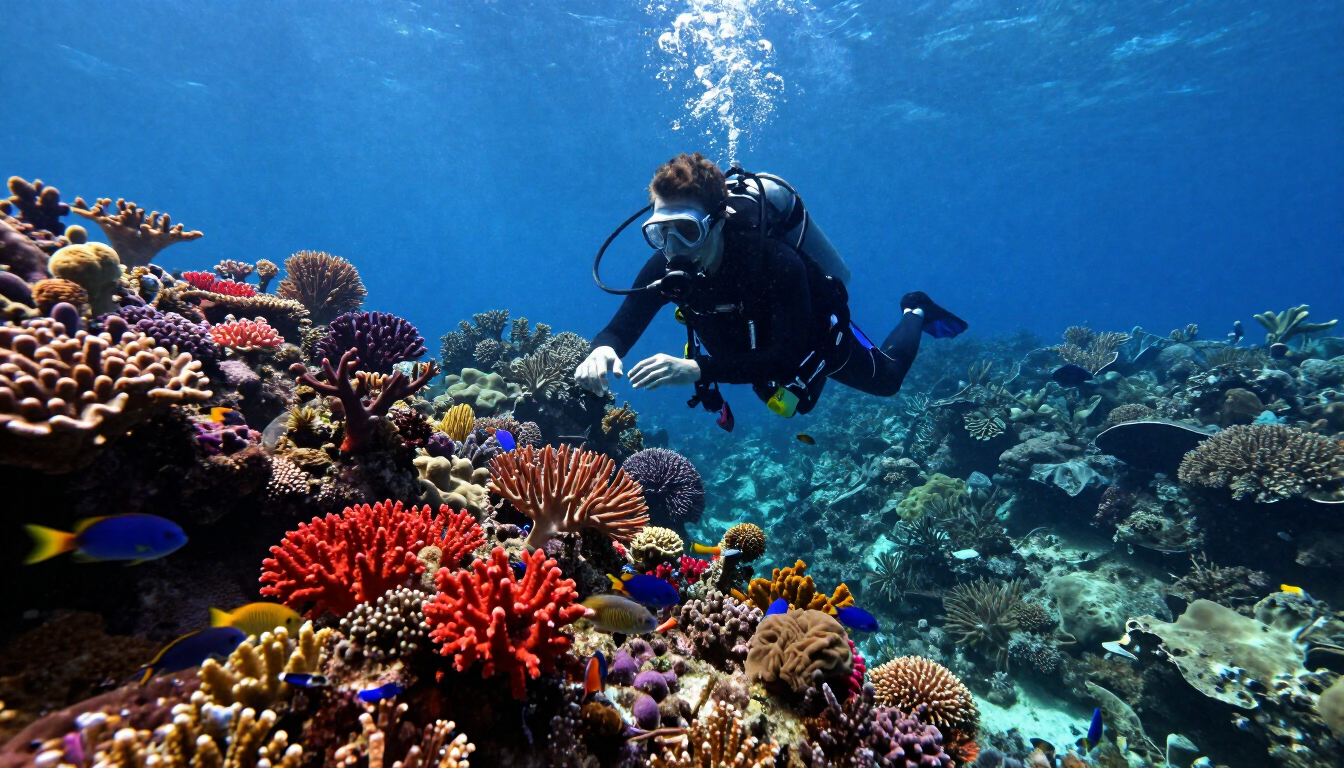
A scuba diver using a compass for underwater navigation near a coral reef.
June 1, 2026
Explore the most popular PADI specialty courses including Deep Diving, Night Diving, and Navigation. Learn how these certifications enhance your skills and underwater safety.
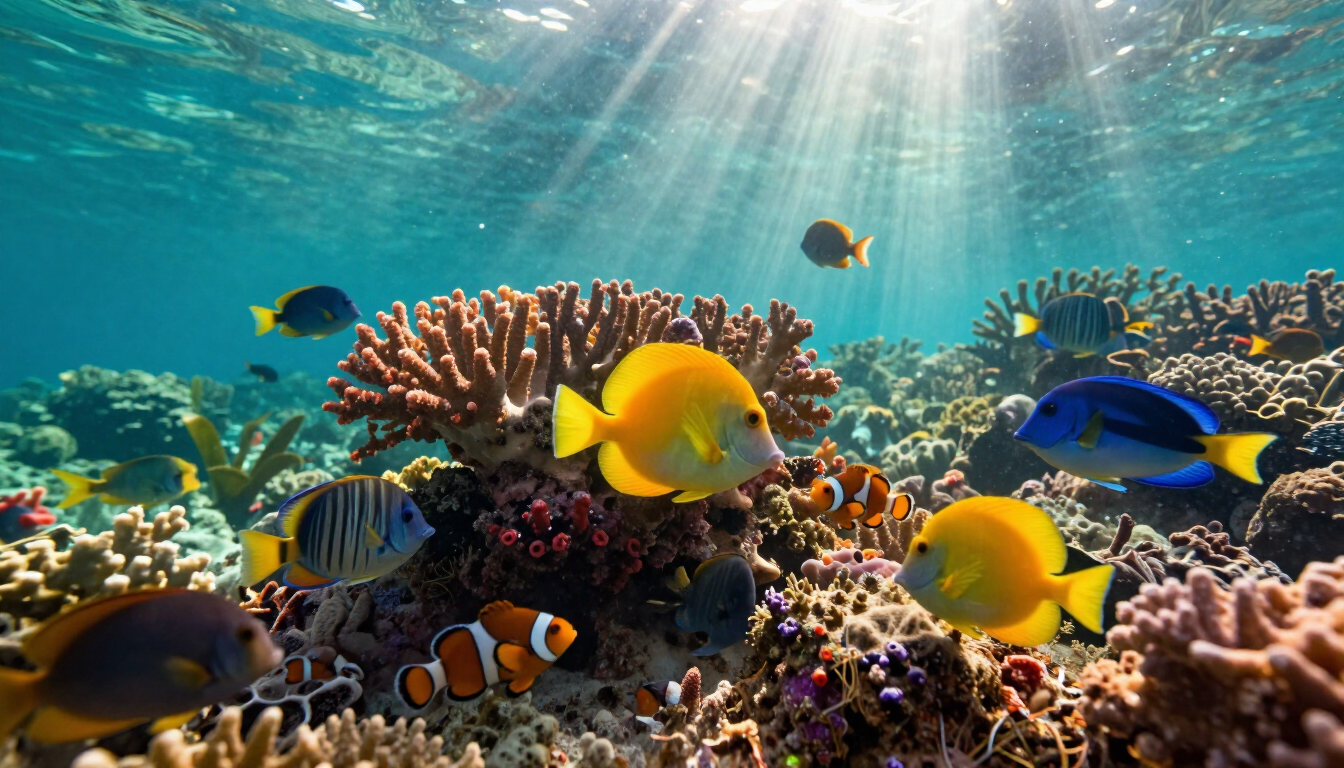
Vibrant coral reef in Sodwana Bay South Africa
June 1, 2026
Complete your NAUI scuba theory in Gauteng and finish your qualifying dives in Sodwana Bay. Learn the benefits of the referral method with Twobar Scuba.
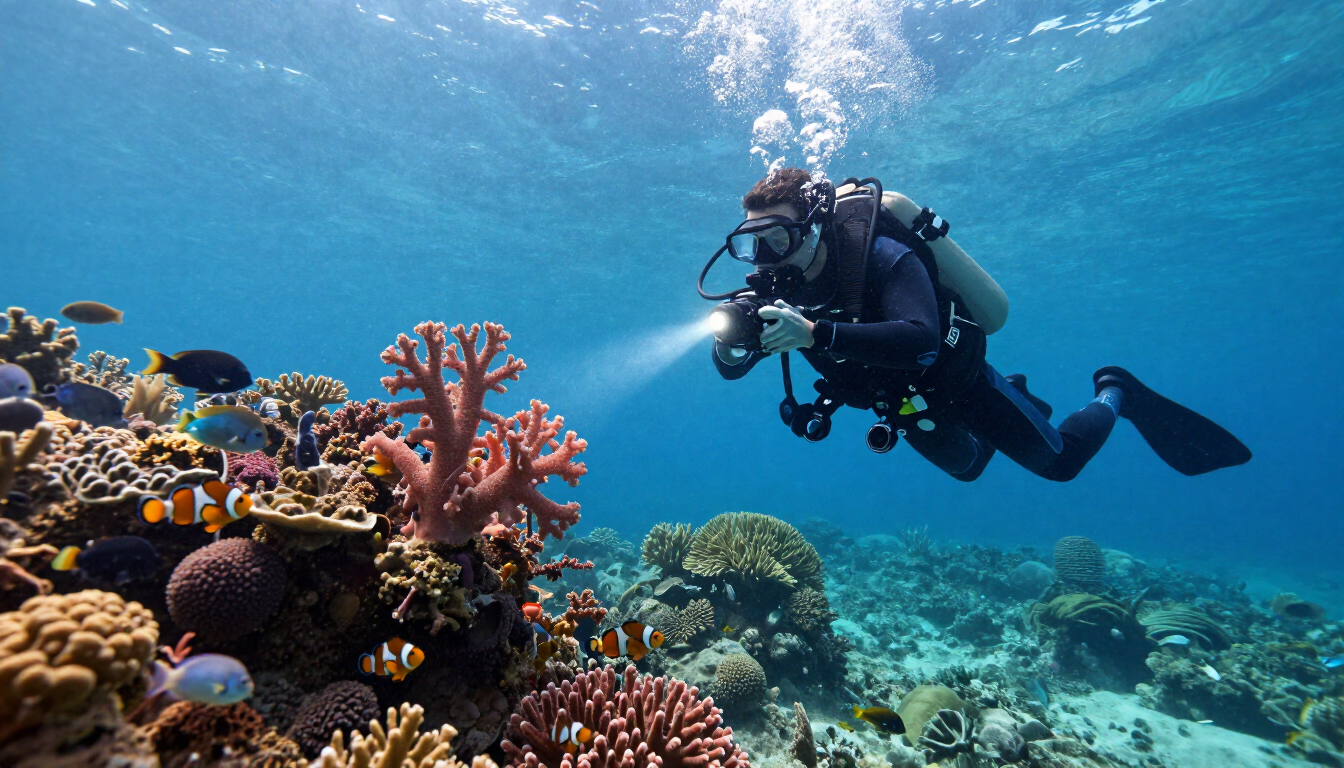
Scuba diver taking photos of coral reef in Sodwana Bay
June 1, 2026
Master underwater photography at Sodwana Bay. Learn essential techniques for stunning marine shots with Twobar Scuba's professional training.
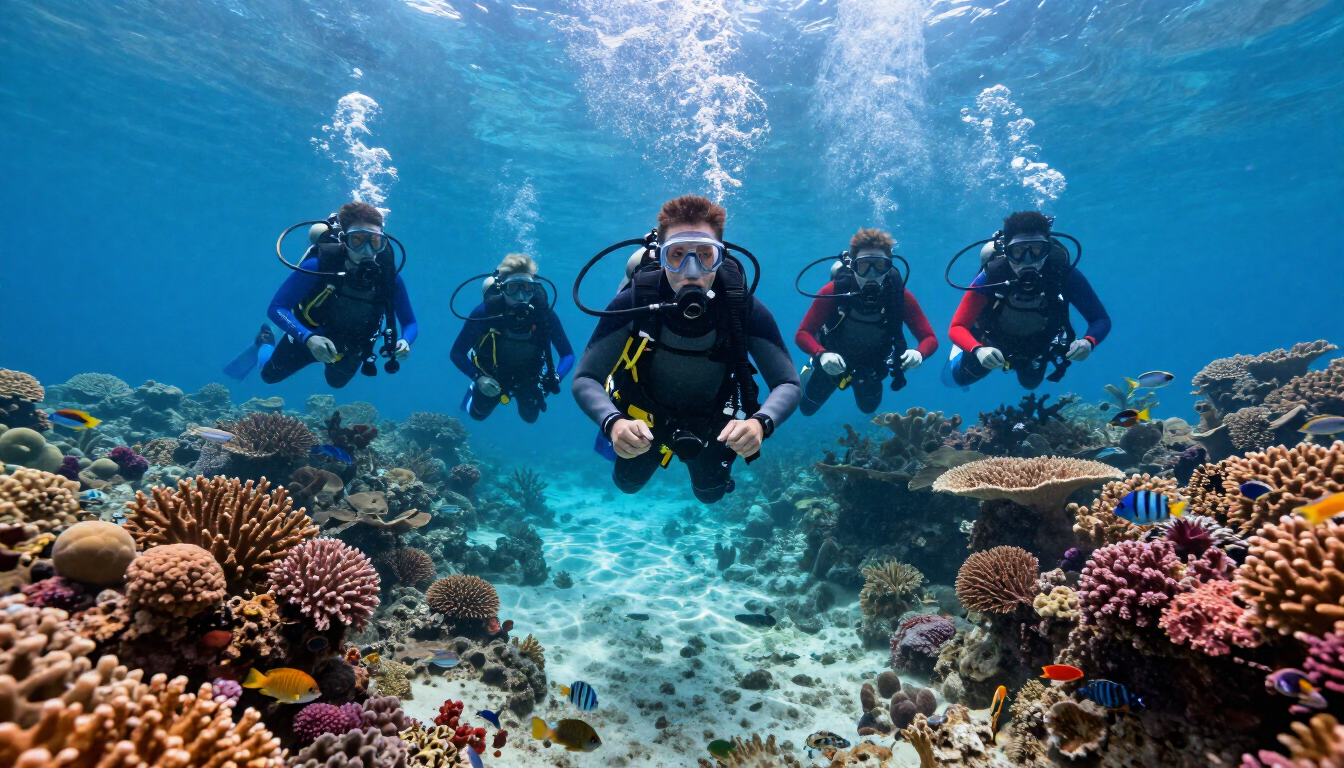
A professional scuba divemaster guiding a group through a vibrant coral reef.
June 1, 2026
Professional Divemaster training at Twobar Scuba. Learn to lead dives in Sodwana Bay and Pretoria with expert NAUI instructors. Start today!
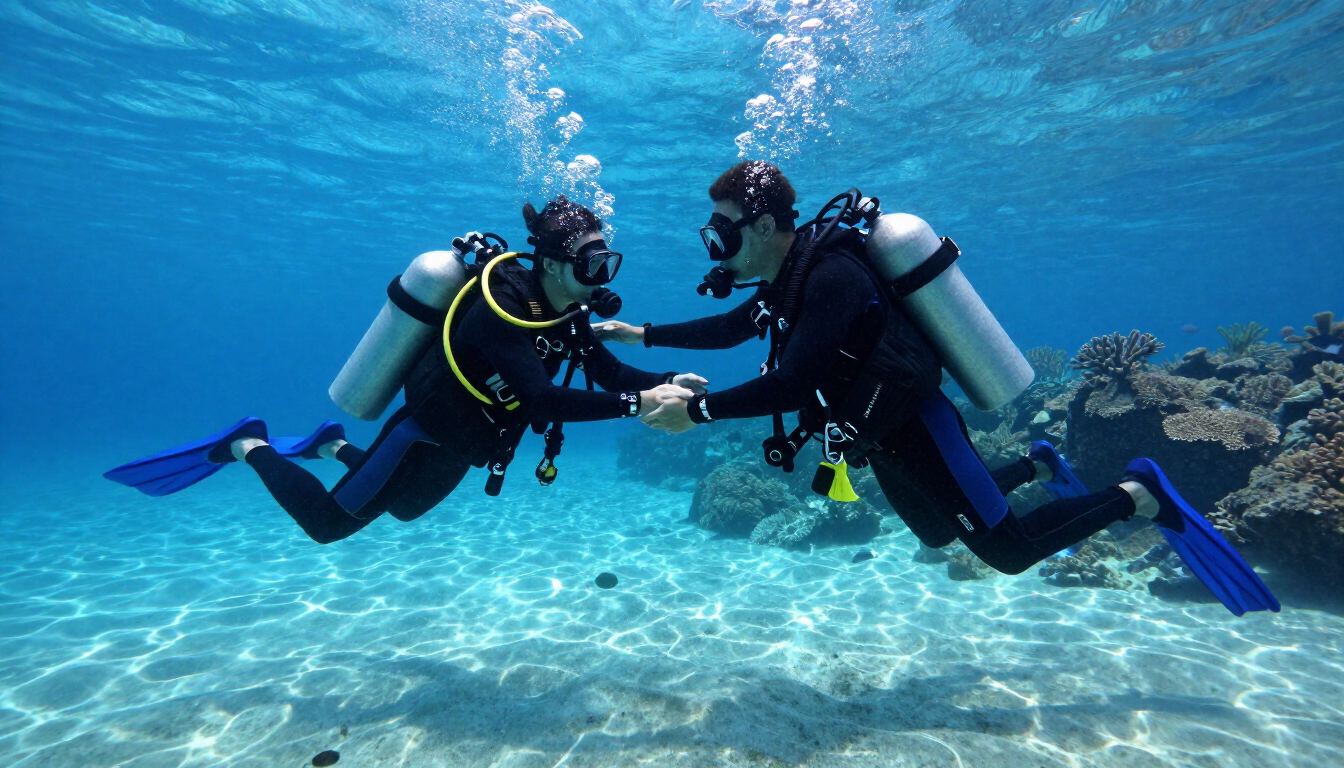
Scuba divers practicing rescue techniques in clear water
June 1, 2026
Explore the Rescue Diver course: what it covers, why it’s the most challenging yet rewarding scuba certification, and how it prepares you for emergencies.
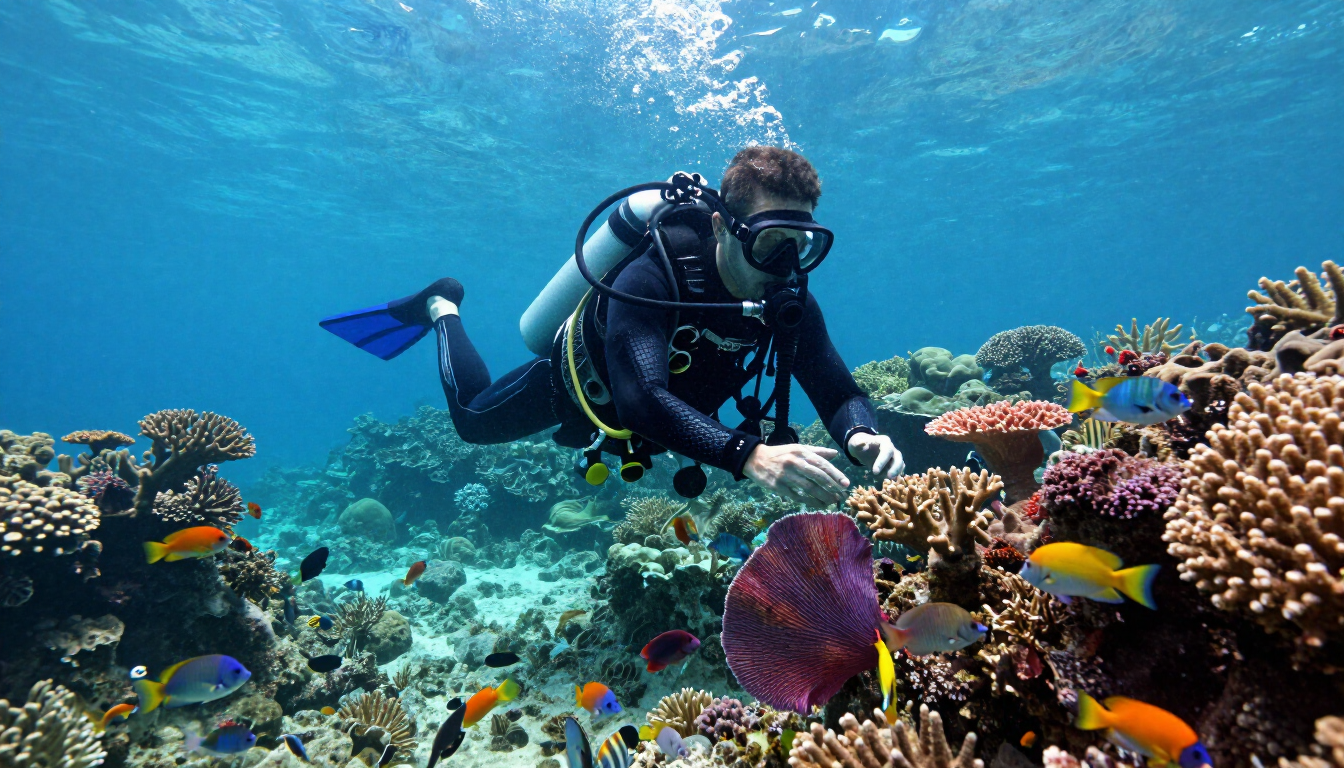
A professional scuba diver exploring a vibrant coral reef.
June 1, 2026
Discover what PADI is and why scuba diving accreditation is vital for your safety. Compare PADI and NAUI standards and find the best dive training in 2026.
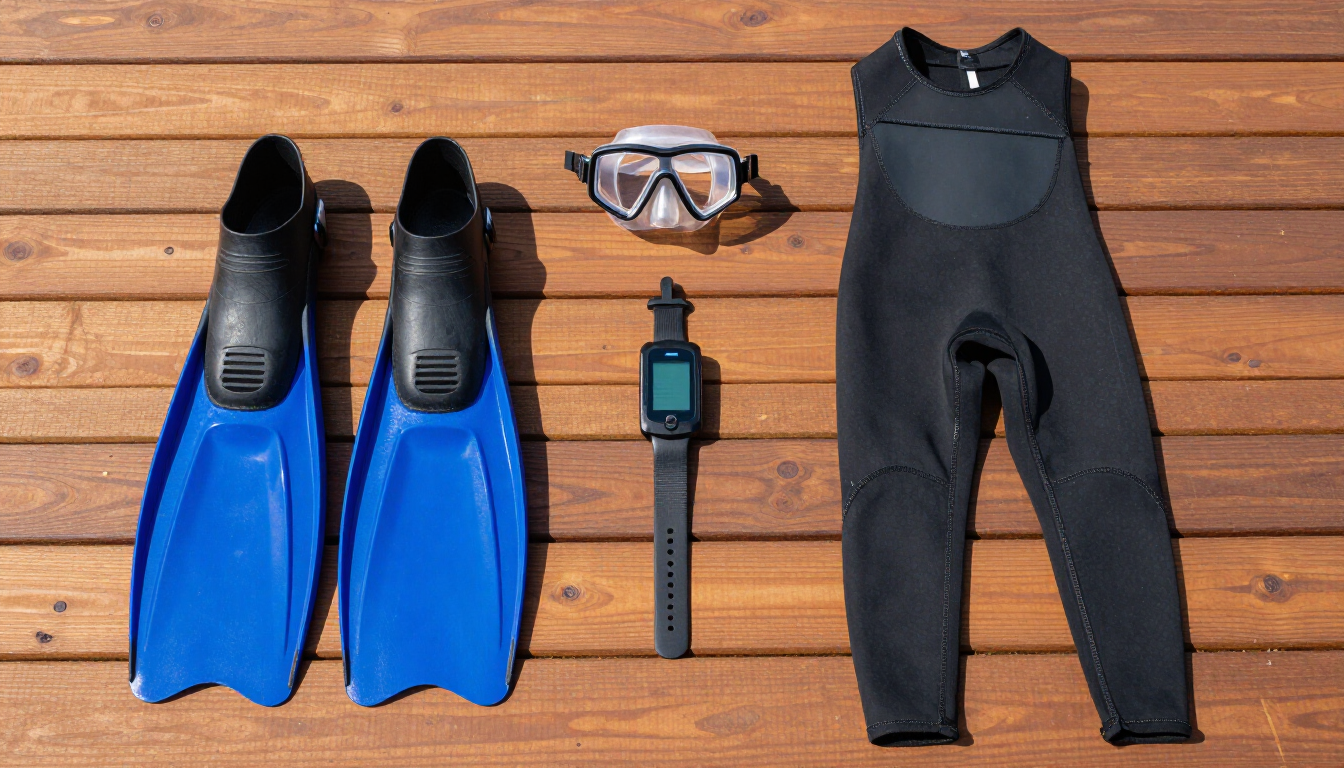
Scuba diving equipment layout for a Sodwana Bay trip.
June 1, 2026
Heading to Sodwana Bay for your first dive? Use our comprehensive packing list covering scuba gear, sun protection, and essential South African travel tips for a perfect trip.

Show More