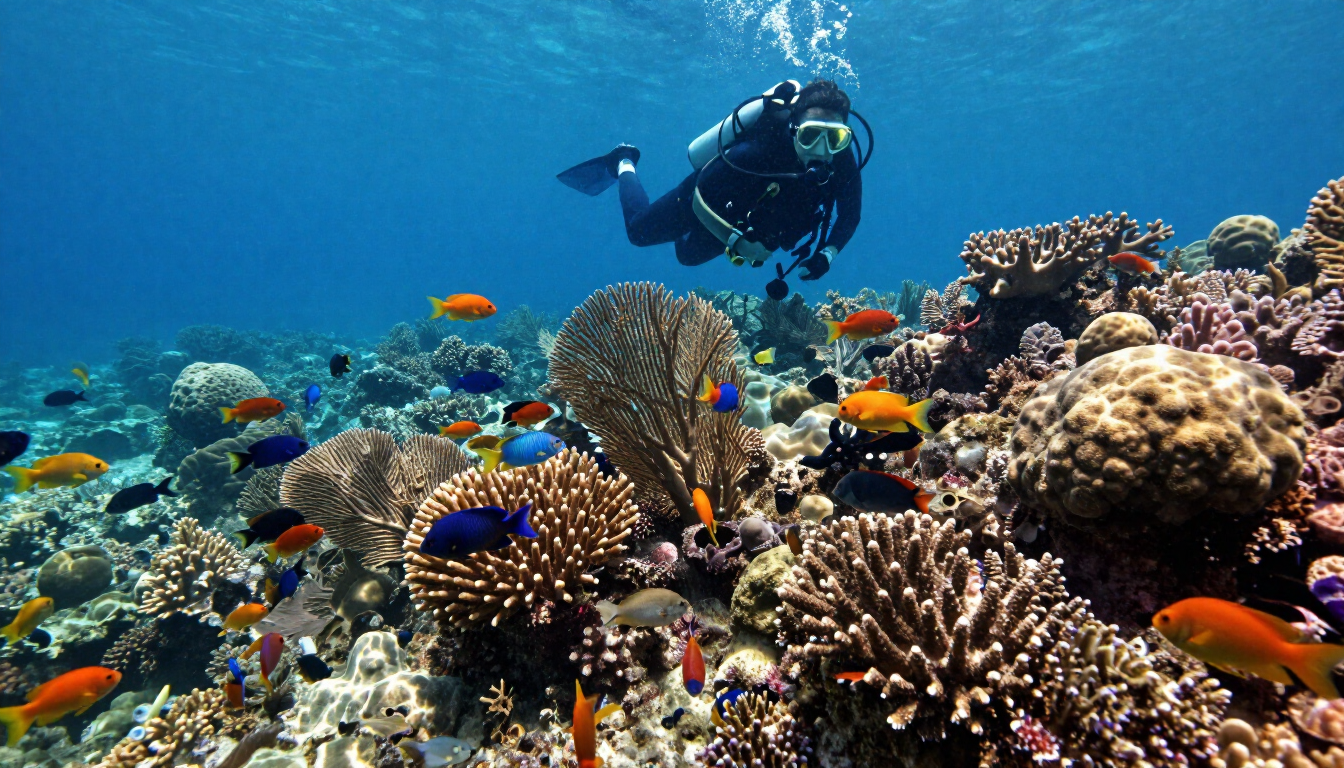

5 Ways Small Class Sizes Improve Your Dive Training
Small scuba class sizes significantly enhance safety and skill acquisition by ensuring every student receives personalized instructor attention. This environment fosters confidence, allows for immediate corrective feedback, and ensures students master critical life-support skills at their own pace before progressing to open water environments like Sodwana Bay.
Is a small class size better for scuba certification?
When you decide to plunge into the world of underwater exploration, the environment in which you learn becomes the foundation of your entire diving career. Many large-scale "dive factories" prioritize volume, often packing ten or more students into a single session with one or two instructors. However, at Twobar Scuba, we believe that small scuba class sizes are not just a luxury—they are a necessity for high-quality education.
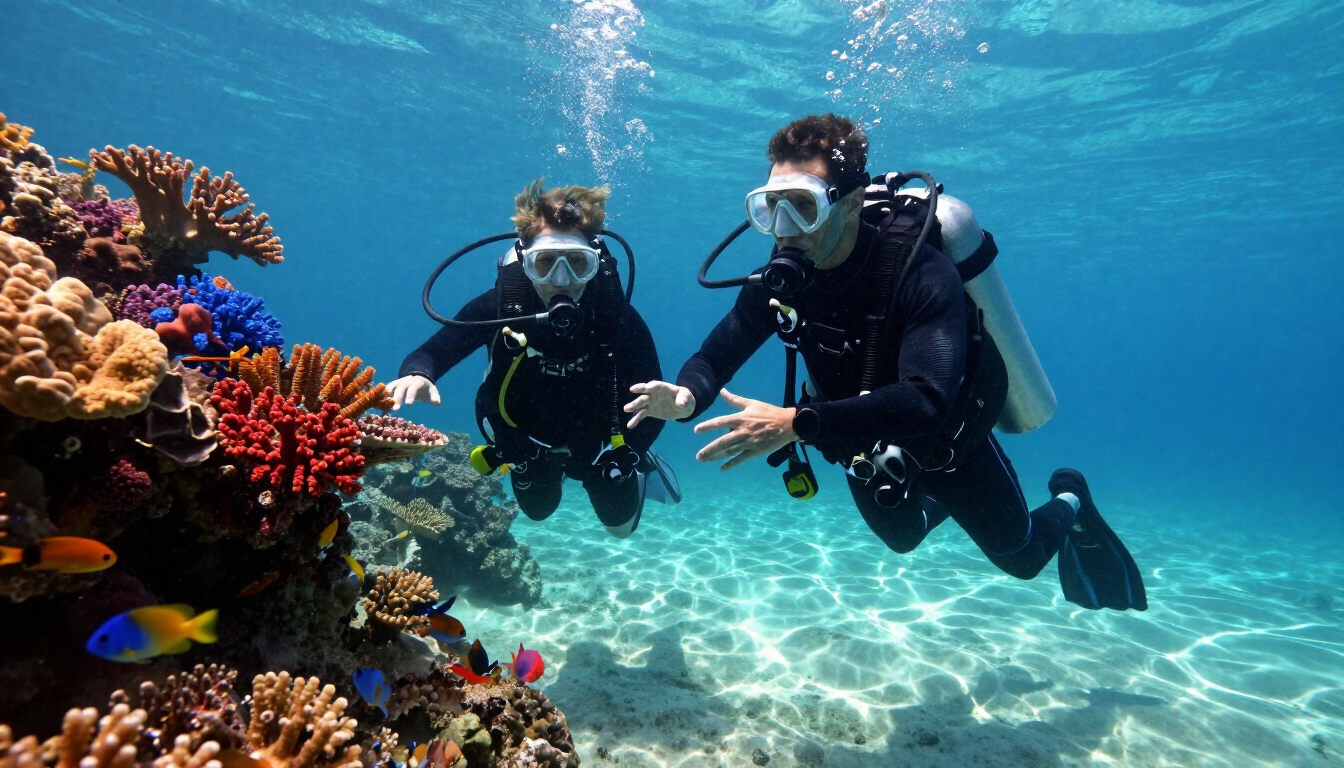
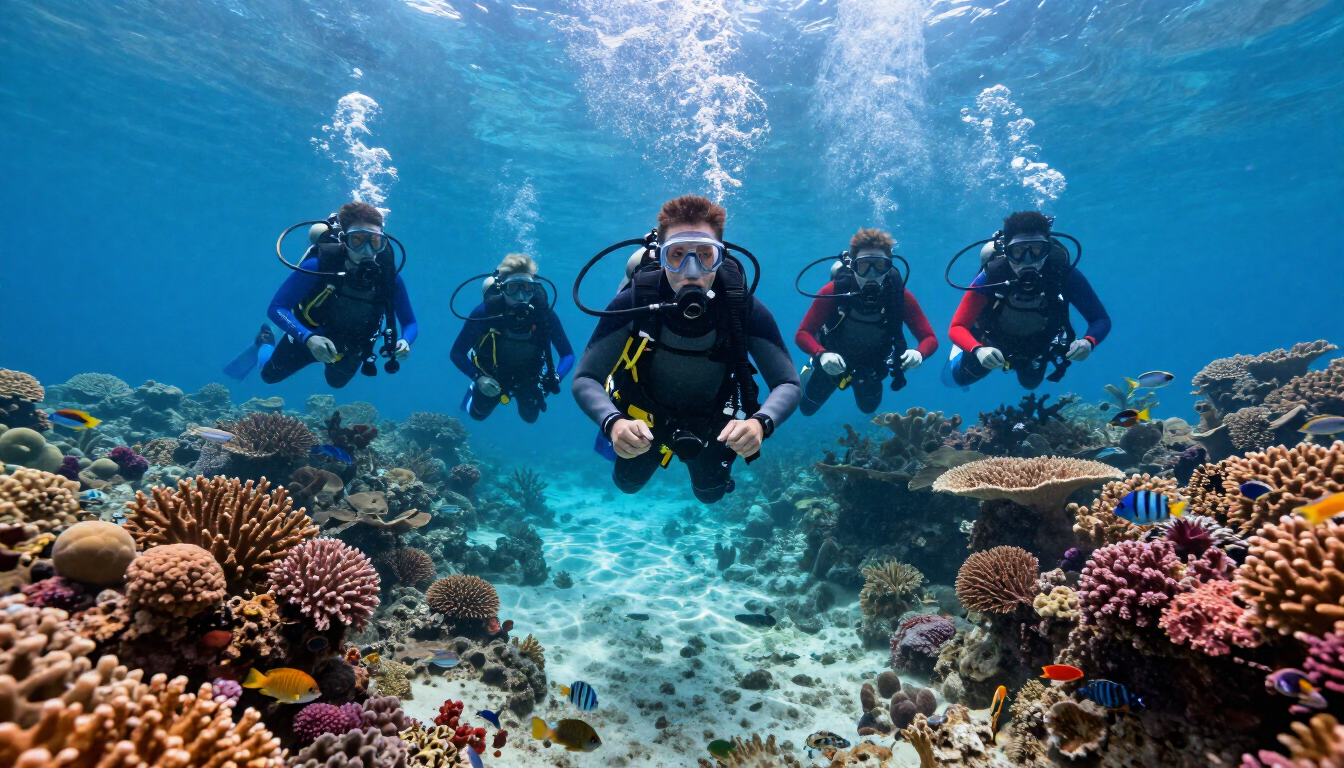
In a smaller group, usually consisting of two to four students per instructor, the learning dynamic shifts from a lecture-style delivery to a personalized mentorship. This intimacy allows the instructor to identify the specific needs of each individual. Perhaps one student struggles with mask clearing, while another finds buoyancy control challenging. In a massive group, these individual hurdles might be glossed over to keep the schedule moving. In a small class, we pause, adjust, and ensure everyone is comfortable before moving forward.
Personalized attention means that your training is tailored to your unique learning style. Some people are visual learners, needing to see a skill performed multiple times. Others are kinesthetic learners who need to physically repeat the motion until it becomes muscle memory. With fewer students to manage, an instructor can pivot their teaching style on the fly, ensuring that no one is left behind or feels pressured to perform beyond their current comfort level.
Benefits of Personalized Instructor Attention
The relationship between a student and their dive leader is built on trust. When you are learning to breathe underwater—an inherently unnatural environment for humans—that trust is your safety net. Smaller classes allow for the development of a stronger rapport. Your instructor gets to know your breathing patterns, your facial expressions behind the mask, and your specific anxieties. This level of insight is impossible to achieve in a crowded class where the instructor is merely a figure in the distance.
Here are five ways personalized attention changes the game:
- Individualized Feedback: You receive real-time corrections on your form, from finning technique to trim.
- Customized Pacing: If the group masters a skill quickly, you can move on; if more time is needed, the schedule allows for it.
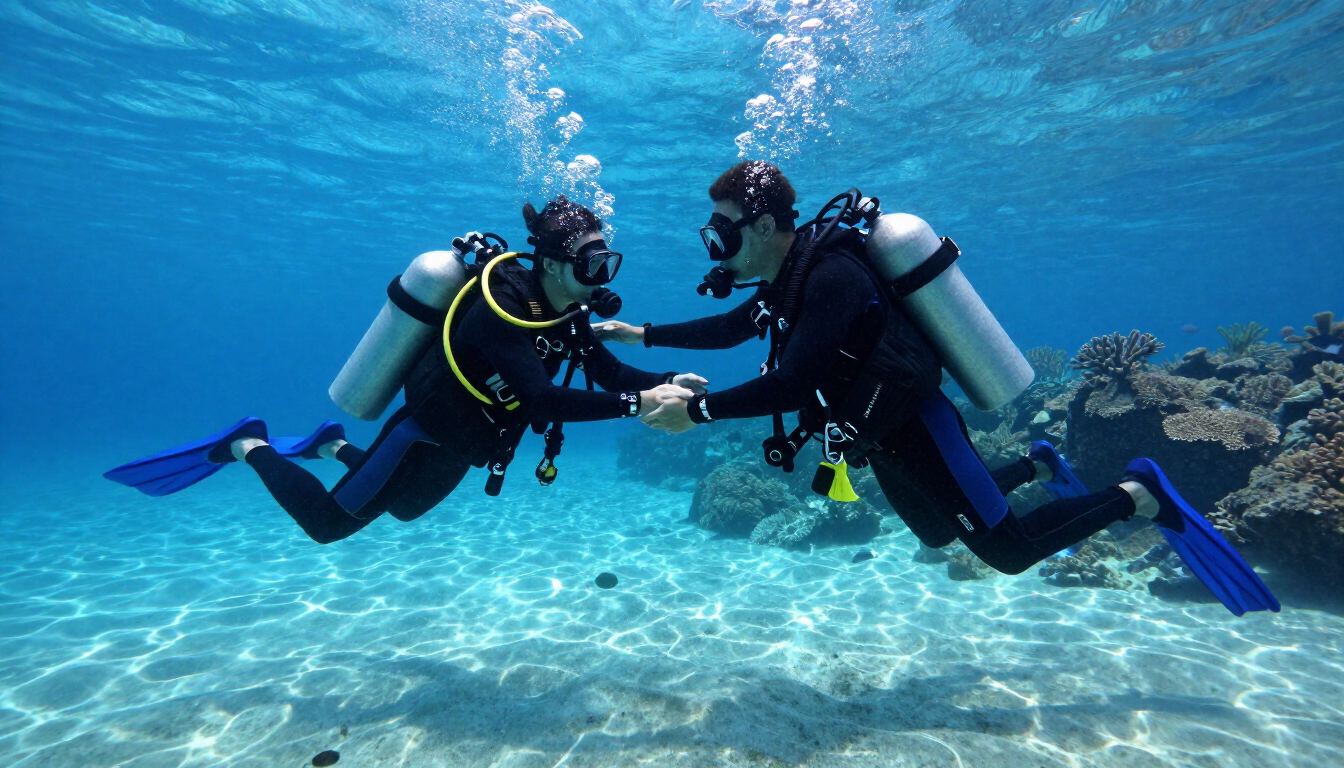
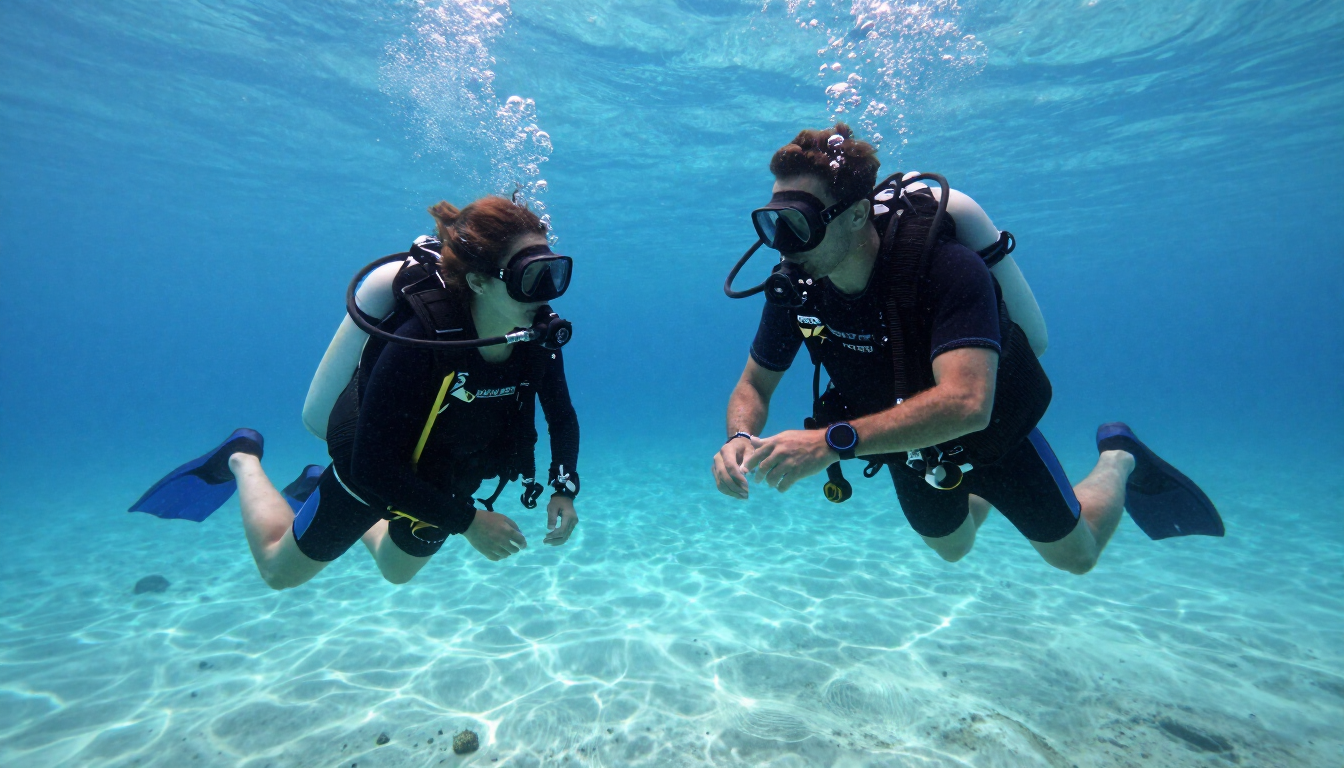
- Enhanced Communication: Underwater hand signals are easier to see and interpret when you are physically closer to your instructor.
- Increased Dive Time: Less time waiting for others to finish their skills means more time actually practicing your diving.
- Confidence Building: Smaller groups feel less like a performance and more like a shared adventure, reducing the fear of making mistakes.
How do small groups improve student safety?
Safety is the paramount concern in any scuba diving program. The primary risk in dive training isn't the water itself, but the potential for a student to panic or mishandle their equipment. In a large class, an instructor's attention is divided across many people. If a student has a minor issue on the far side of the group, it may take several seconds for the instructor to notice and respond.
With small scuba class sizes, the instructor-to-student ratio ensures that the professional is never more than an arm's length away. This proximity allows for "preventative instruction." We can see the subtle signs of stress—wide eyes, rapid breathing, or erratic movements—before they escalate into a full-blown panic. By intervening early with a calming gesture or a quick equipment adjustment, we maintain a safe and controlled environment.
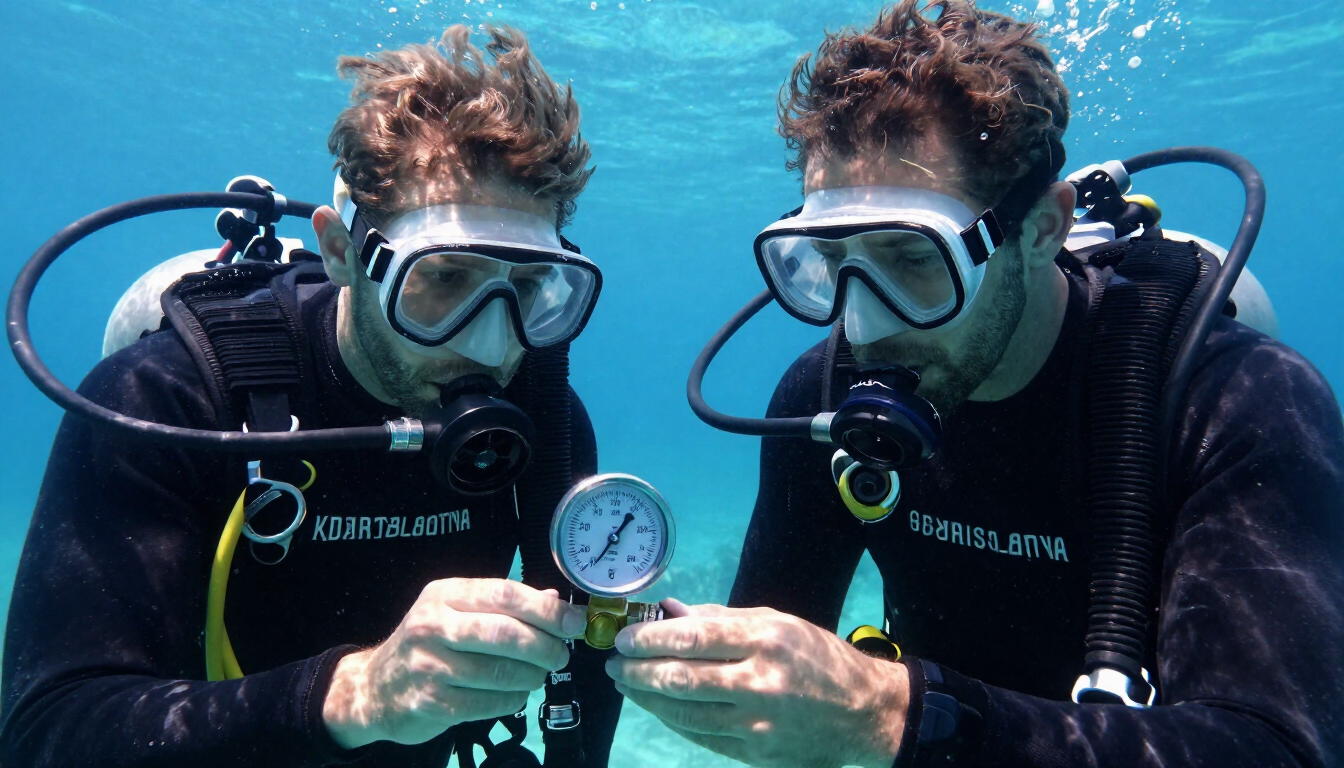
Furthermore, the equipment checks (buddy checks) are much more thorough in smaller groups. When there are only a few pairs to oversee, the instructor can personally verify that every tank is open, every weight belt is secure, and every computer is functioning correctly. This meticulousness is what we pride ourselves on at our accredited Naui center , where our legacy since 1999 has been built on an impeccable safety record.
Mastering Skills Through Repetition and Focus
Scuba diving is a technical skill that requires the mastery of several life-support protocols. For example, learning to share air with a buddy or recovering a lost regulator are skills that must become second nature. In a large class, you might only get to perform these skills once or twice before the instructor moves on to the next student.
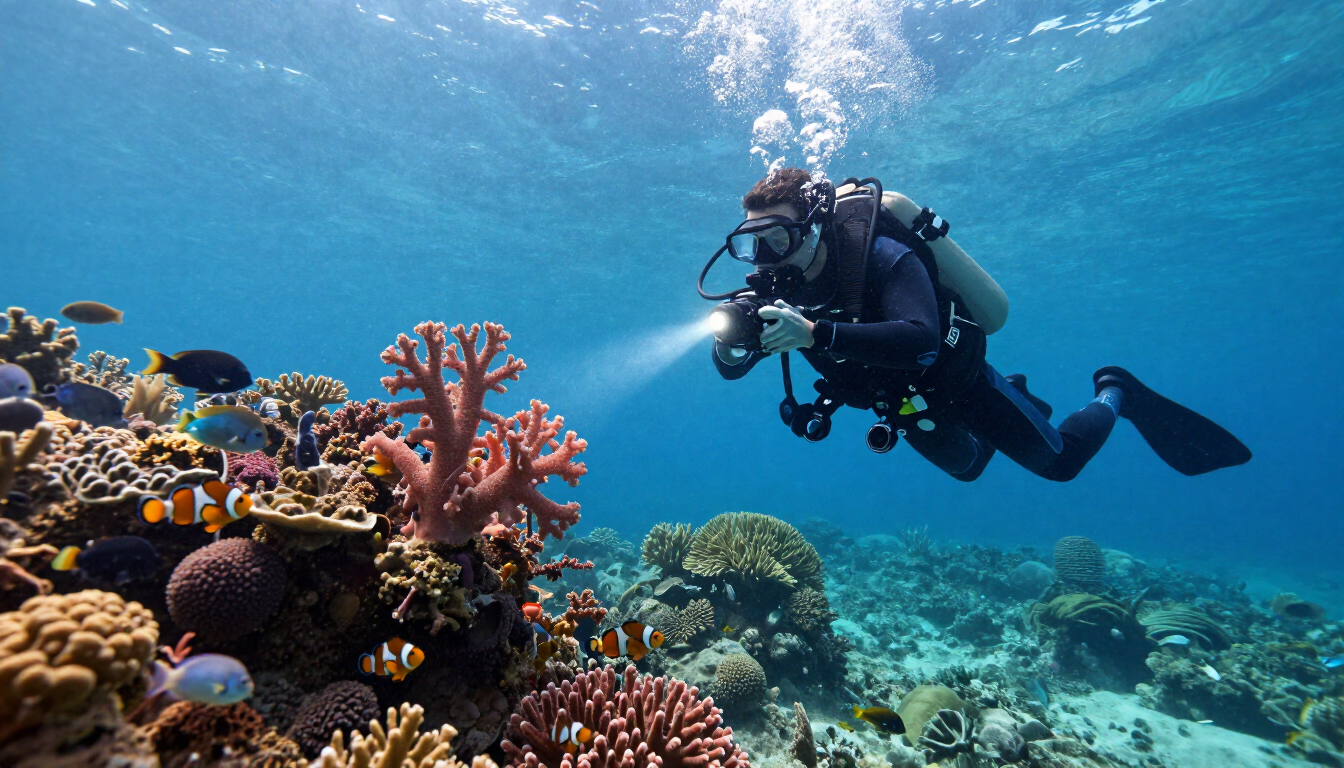
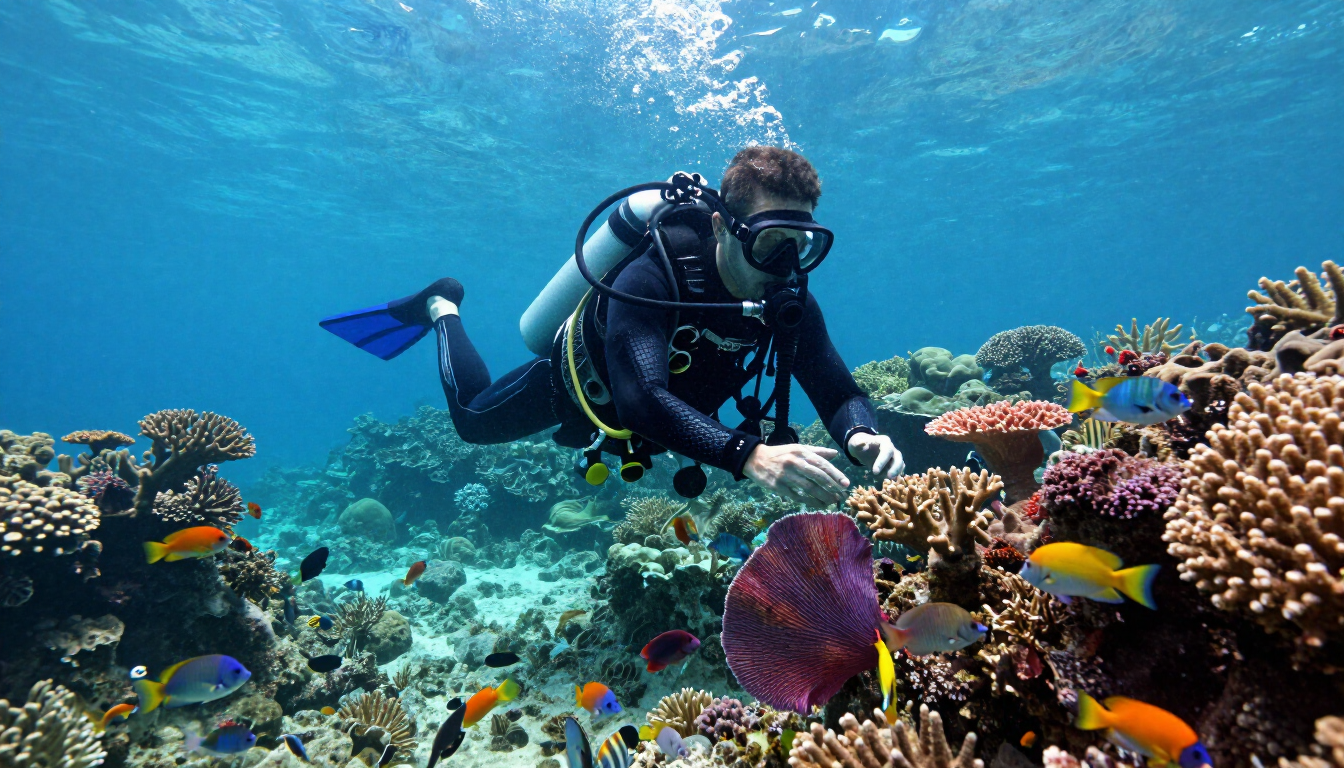
In a small class setting, repetition is the standard. Because there is less "dead time" spent waiting for ten other people to take their turn, you can practice each skill five, ten, or even fifteen times. This repetition is what builds muscle memory. When you eventually head out for your first dive trip in Sodwana , you won't have to think about how to clear your mask; your hands will simply do it while your mind focuses on the incredible marine life around you.
Will I learn faster in a smaller group?
While "faster" isn't always the goal in scuba diving, "more efficiently" certainly is. Many students find that they achieve a higher level of competency in a shorter amount of time when the distractions of a large group are removed. Without the social pressure of performing in front of a crowd, students are more likely to ask questions and seek clarification on complex topics like decompression theory or nitrogen narcosis.
The efficiency of a small class also extends to the logistics of the dive day. Gearing up, boarding the boat, and performing entries and exits are all streamlined. This means you spend less time standing on a hot beach or a rocking boat in heavy gear and more time in the water. For many, the physical exertion of diving is the hardest part; minimizing the "wait time" makes the entire experience much more enjoyable and accessible, which is a key part of our mission to provide supportive learning for everyone .
Reduced Anxiety and Enhanced Comfort Underwater
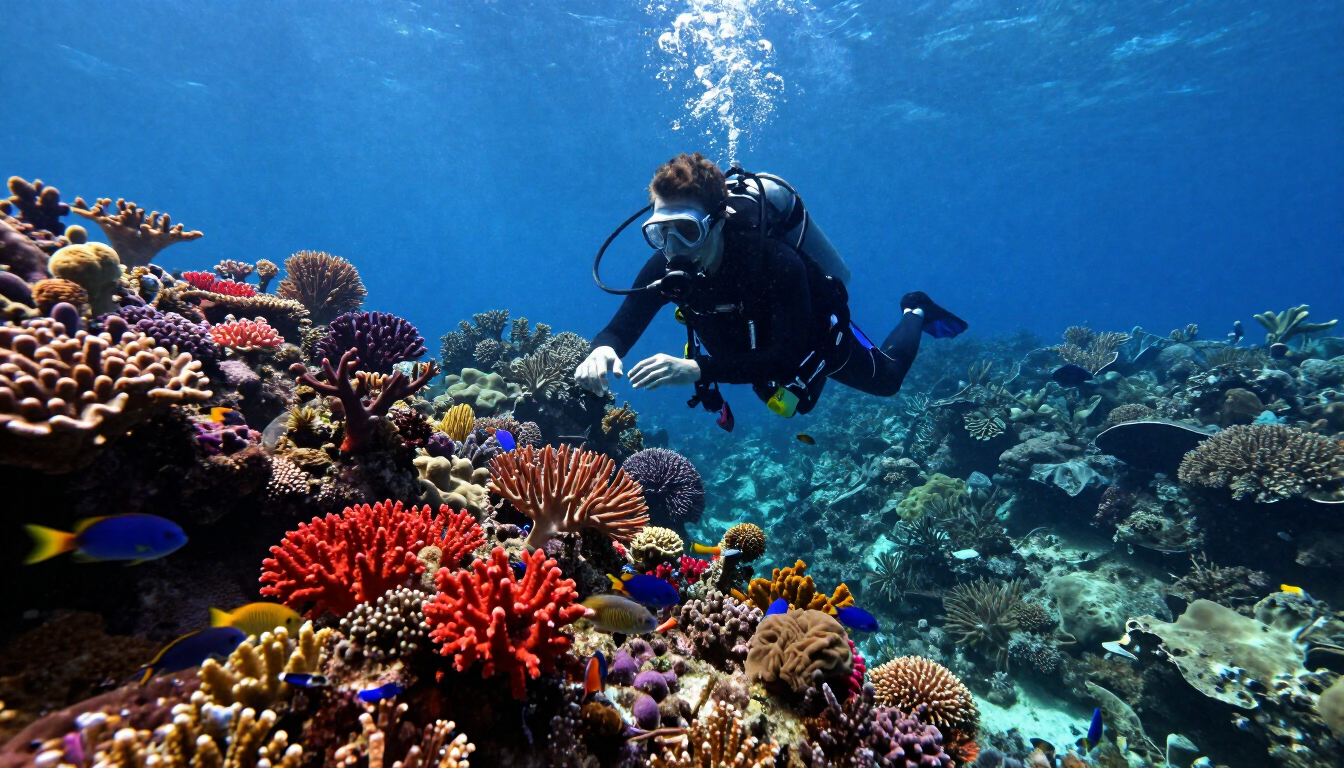
Underwater anxiety is a natural response for many beginners. The feeling of being submerged can trigger a mild claustrophobic reaction or a sense of vulnerability. One of the greatest benefits of small scuba class sizes is the reduction of this "group-think" anxiety. In large groups, the noise and bubbles from many divers can be overwhelming and disorienting. A smaller group creates a quieter, more serene environment that mimics the peaceful reality of recreational diving.
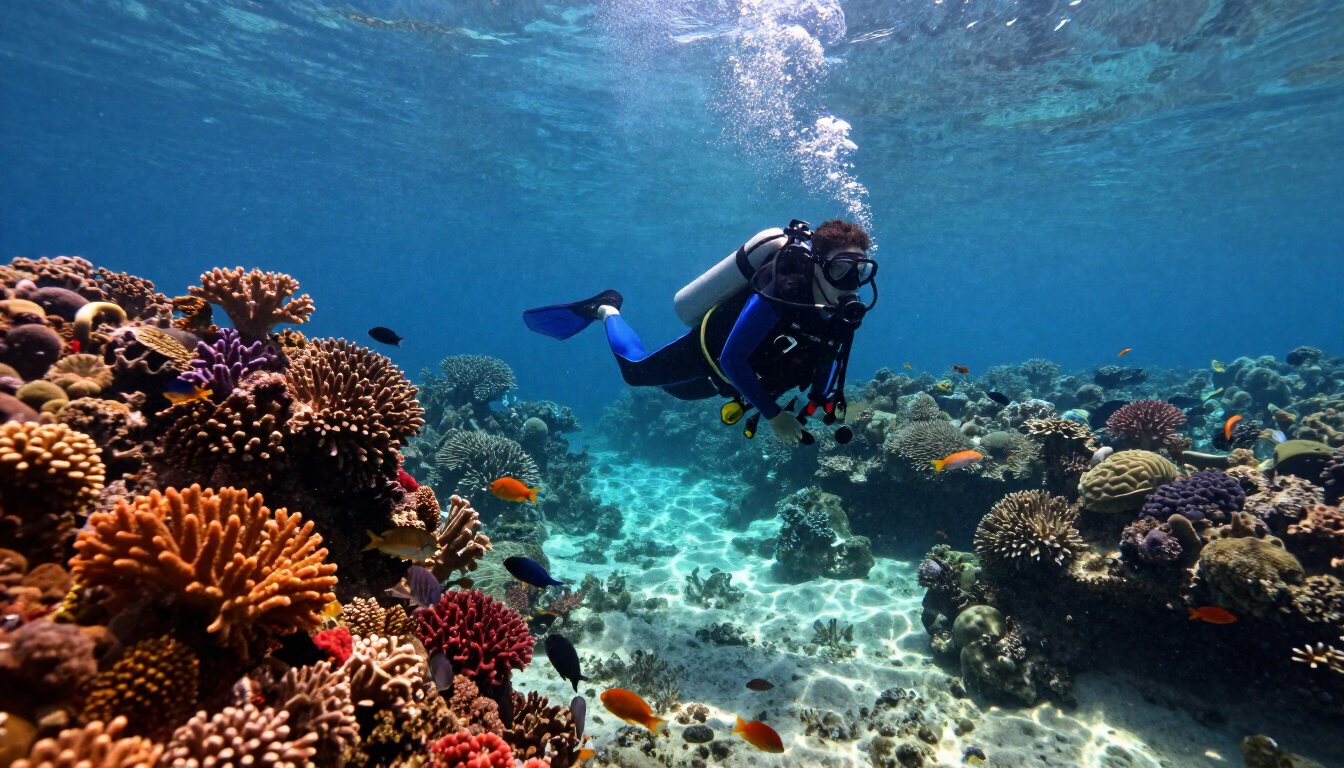
When the water is calm and the group is small, it is much easier to focus on your breathing. Proper breathing is the key to buoyancy and air conservation. Our instructors can spend time hovering right next to you, helping you find your "neutral buoyancy" point. This is the magical moment in diving where you feel weightless, neither sinking nor floating, just suspended in the blue. Achieving this state usually takes time and quiet concentration—something that is hard to find in a crowded training pool.
How to choose the right dive school for you?
When researching where to get your certification, don't just look at the price tag. Often, the cheapest courses are those that pack the most students into a single class. To ensure you are getting the best value for your investment, ask the following questions:
- What is the maximum student-to-instructor ratio? Look for schools that cap their classes at four or five students.
- Does the price include all necessary gear and materials? Some schools hide costs to make their high-volume classes look cheaper.
- What is the experience level of the instructors? At Twobar Scuba, our team has extensive knowledge of the reefs and years of training experience.
- Are the facilities accessible? Check if the center accommodates different needs, including wheelchair-friendly amenities.
- Is the training accredited? Ensure you are receiving a globally recognized certification, such as NAUI.
Choosing a school that prioritizes small groups means you are choosing to become a more capable, confident, and safer diver. It’s an investment in your future enjoyment of the ocean. Whether you are a local in Pretoria or planning a trip to the coast, the quality of your initial training will dictate how much you enjoy the sport for years to come.
Summary of Why Small Class Sizes Matter
Choosing small scuba class sizes is the most effective way to ensure a safe and successful start to your diving journey. By prioritizing personalized attention, you gain the confidence and technical skills necessary to handle any underwater situation. At Twobar Scuba, our commitment to small groups allows us to provide a supportive, high-quality environment where you can truly "smile with the tide."
Core Takeaways:
- Higher Safety Standards: Instructors can monitor students more closely, preventing incidents before they occur.
- Faster Skill Mastery: More time for repetition leads to better muscle memory and technical competence.
- Reduced Stress: A quieter, more intimate environment helps beginners overcome underwater anxiety.
- Personalized Pace: Learning is tailored to your individual needs, ensuring no one is left behind.
- Better Value: While perhaps slightly more expensive, the quality of education leads to a more confident and long-lasting diving hobby.
Ready to start your adventure? You can book your session today and experience the difference that expert, personalized training makes.