Underwater Photography Course: Capturing Sodwana’s Reefs

June 1, 2026

Share this article

An underwater photography course is a specialized training program designed to teach divers how to capture high-quality images beneath the surface. It covers essential techniques like color correction, strobe positioning, and buoyancy control, ensuring you can document the vibrant marine life of Sodwana Bay effectively and safely.

What will you learn in an underwater photography course?

Taking your camera underwater for the first time is an exhilarating experience, but it also comes with a unique set of challenges. Unlike land-based photography, shooting in the ocean requires you to manage physics, biology, and technical skills simultaneously. When you enroll in a professional underwater photography course , you move beyond simply 'pointing and shooting' to understanding the artistry of the medium.

Our curriculum focuses on several core pillars:

  • Technical Camera Settings: Understanding how ISO, aperture, and shutter speed interact in low-light environments.
  • Lighting and Color: Learning why colors disappear at depth and how to restore them using strobes or custom white balance.
  • Composition: Applying the rule of thirds and leading lines to dynamic, moving subjects like fish and turtles.
  • Equipment Maintenance: Essential protocols for O-ring care and flood prevention to protect your investment.
  • Marine Ethics: How to get the shot without disturbing the delicate reef ecosystem or stressing the wildlife.

By the end of the course, you will understand the 'triangle of exposure' as it applies to the aquatic world. You will learn to anticipate animal behavior, allowing you to be in the right place at the right time for that perfect frame. Whether you are using a compact camera or a high-end DSLR in a housing, these fundamentals remain the same. The goal is to turn a blue, blurry image into a sharp, colorful masterpiece that tells a story of the ocean.

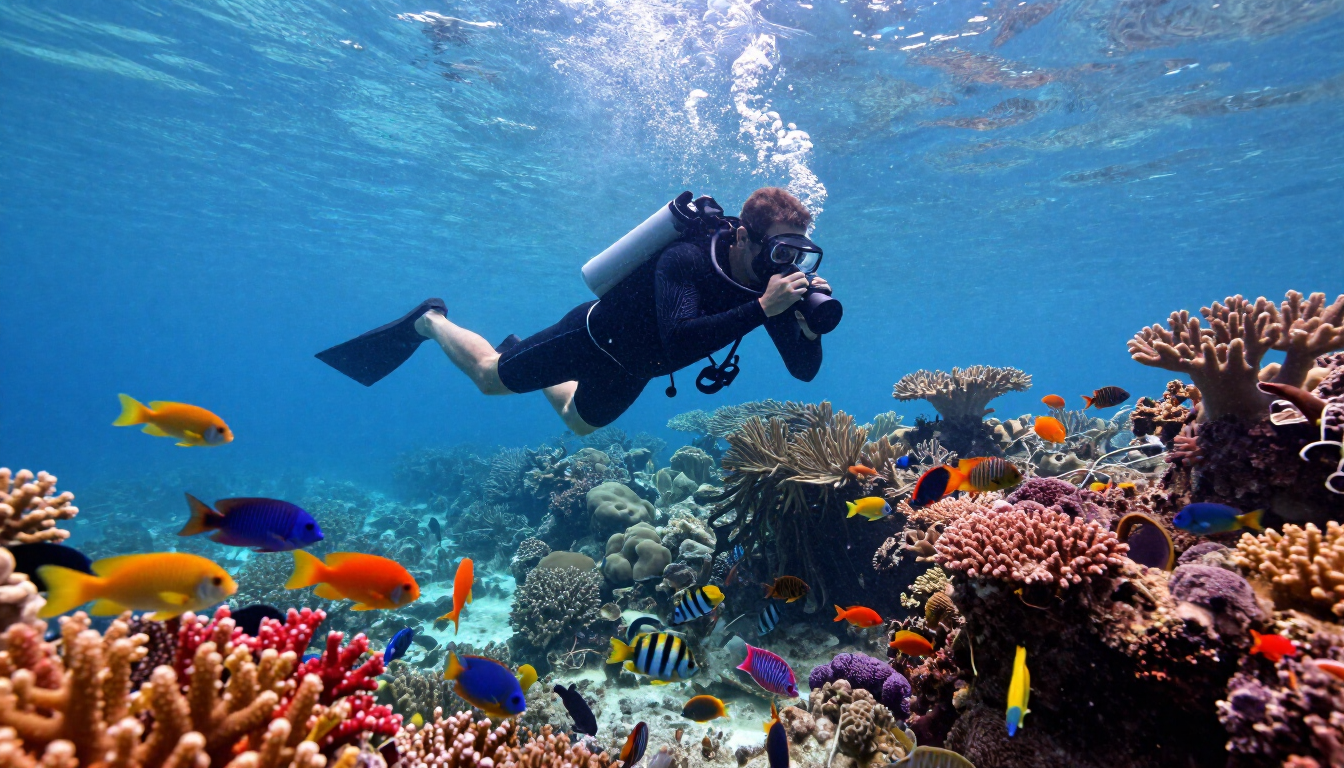
Photographer on reef

Essential gear for capturing stunning shots on Sodwana’s reefs

To succeed in underwater photography, your gear needs to be as prepared as you are. Sodwana Bay is known for its incredible visibility and diverse marine life, but the conditions can vary. Having the right tools ensures you don't miss a once-in-a-lifetime encounter. If you're looking for inspiration on what's possible, check out our Gallery to see the results of high-quality equipment in action.

While high-end gear is great, many beginners find success with simpler setups. Here is a checklist of essential gear:

  • Underwater Housing: A depth-rated case specific to your camera model.
  • External Strobes or Video Lights: Vital for bringing back the reds and yellows lost to water absorption.
  • Wide-Angle Lens: Perfect for capturing the vast landscapes of 2-Mile Reef.
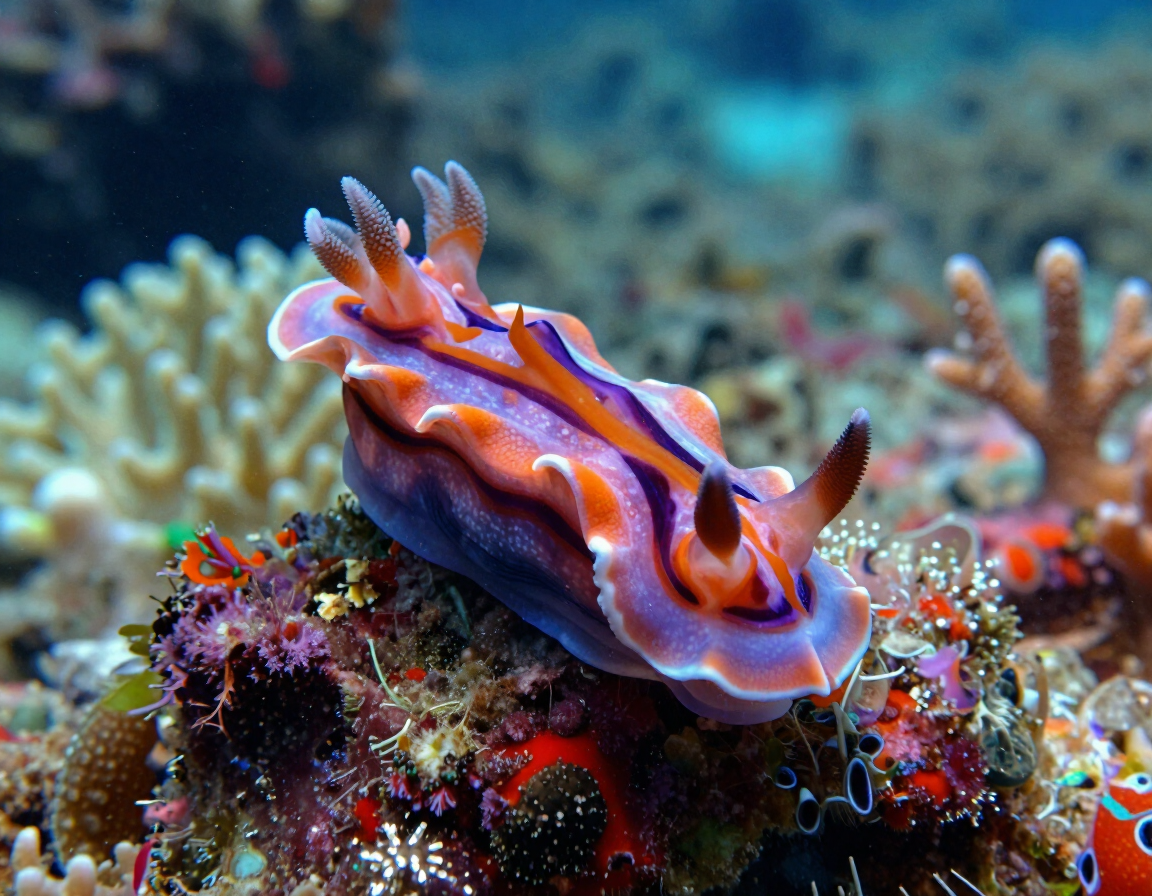
  • Macro Lens: Ideal for the tiny, colorful nudibranchs and shrimps found in our waters.
  • Color Correction Filters: A cost-effective way to improve color in shallow, sunlit dives.

Starting with a compact camera system is often recommended because it allows you to focus on buoyancy and composition without the bulk of a large rig. As you progress, you might add 'arms' and 'clamps' to position your lights further away from the lens, which helps reduce backscatter—those annoying white spots caused by light reflecting off particles in the water. Remember, the best gear is the gear you know how to operate instinctively underwater.

How do you master buoyancy for better underwater photos?

Buoyancy is arguably the most important skill for any underwater photographer. If you cannot hover perfectly still, your photos will be blurry, and you risk damaging the very reef you are trying to capture. At Twobar Scuba, we emphasize that a good photographer must first be an excellent diver. Before focusing on the shutter button, you must master the art of the 'hover.'

When you are stable, you can take the time to compose your shot and wait for the marine life to come to you. Rapid movements or heavy breathing can scare away shy species like the Longnose Hawkfish or the Potato Bass. We teach students to use their breath for fine-tuned buoyancy adjustments. A slight inhale lifts you, and a slow exhale settles you, allowing for precise positioning relative to the reef. This stillness is what separates a snapshot from a professional photograph.

Achieving neutral buoyancy also saves air. Photographers often consume more air because they are focused and moving their hands frequently. By mastering your trim and weighting, you can stay down longer, giving you more opportunities to capture that 'hero' shot. If you feel your skills need a refresh, our scuba training programs include advanced buoyancy workshops specifically tailored for photographers and videographers.

Why is lighting the biggest challenge in scuba diving photography?

As you descend, water acts as a giant blue filter. It absorbs light at different rates, starting with red, then orange, yellow, and finally green. This is why everything looks monochromatic and blue at depth. To capture the true, vivid colors of Sodwana’s coral, you must introduce an artificial light source or use advanced camera settings to compensate.

External strobes are the gold standard for lighting. Unlike a built-in flash, which often creates backscatter, external strobes can be positioned to the sides. This technique illuminates the subject while minimizing the reflection of particles between the lens and the fish. For those interested in videography, high-lumen video lights are essential to maintain color consistency throughout a clip. Learning the 'inverse square law' of light—how light intensity drops off rapidly underwater—is a key part of our photography training.

Macro Nudibranch

Top locations for marine life photography in Sodwana Bay

Sodwana Bay offers a diverse range of environments, each suited to different photographic styles. When you join our dive trips , we select sites based on your interests and current conditions. Here are a few highlights for photographers:

  • 2-Mile Reef: The most popular site, offering everything from massive plates of coral to tiny macro life.
  • 7-Mile Reef: Known for its spectacular topography and high density of reef fish, perfect for wide-angle shots.
  • Quarter Mile: A shallow site often frequented by Ragged-tooth Sharks during certain seasons.
  • 5-Mile Reef: Offers unique coral formations and a higher chance of seeing larger pelagic species.
  • Antons Reef: Famous for its large schools of fish and incredible biodiversity.

For macro enthusiasts, the 'pinnacles' and overhangs at 2-Mile Reef are a goldmine. You can find several species of nudibranchs, pipefish, and even the elusive Harlequin Shrimp. For those who prefer wide-angle photography, the cleaning stations at 7-Mile Reef provide a chance to photograph large Potato Bass and Honeycomb Moray Eels as they interact with cleaner wrasse. Every dive in Sodwana is a new opportunity for a different perspective.

Practical tips for post-dive editing and image care

The work doesn't end when you climb back onto the boat. Post-processing is where you can truly make your images pop. Modern software like Adobe Lightroom or specialized underwater plugins allow you to correct white balance and enhance contrast that might have been lost due to water density. However, the goal is always to get the best possible image 'in-camera' first.

Equally important is the care of your equipment. Saltwater is the enemy of electronics. After every dive, it is crucial to soak your entire camera rig in fresh water. While soaking, operate the buttons and dials to ensure salt crystals don't form in the seals. Check your O-rings for hair, lint, or sand every time you open the housing. A single grain of sand can lead to a flood, which is a costly mistake. Developing a consistent post-dive routine will ensure your gear lasts for years and hundreds of dives.

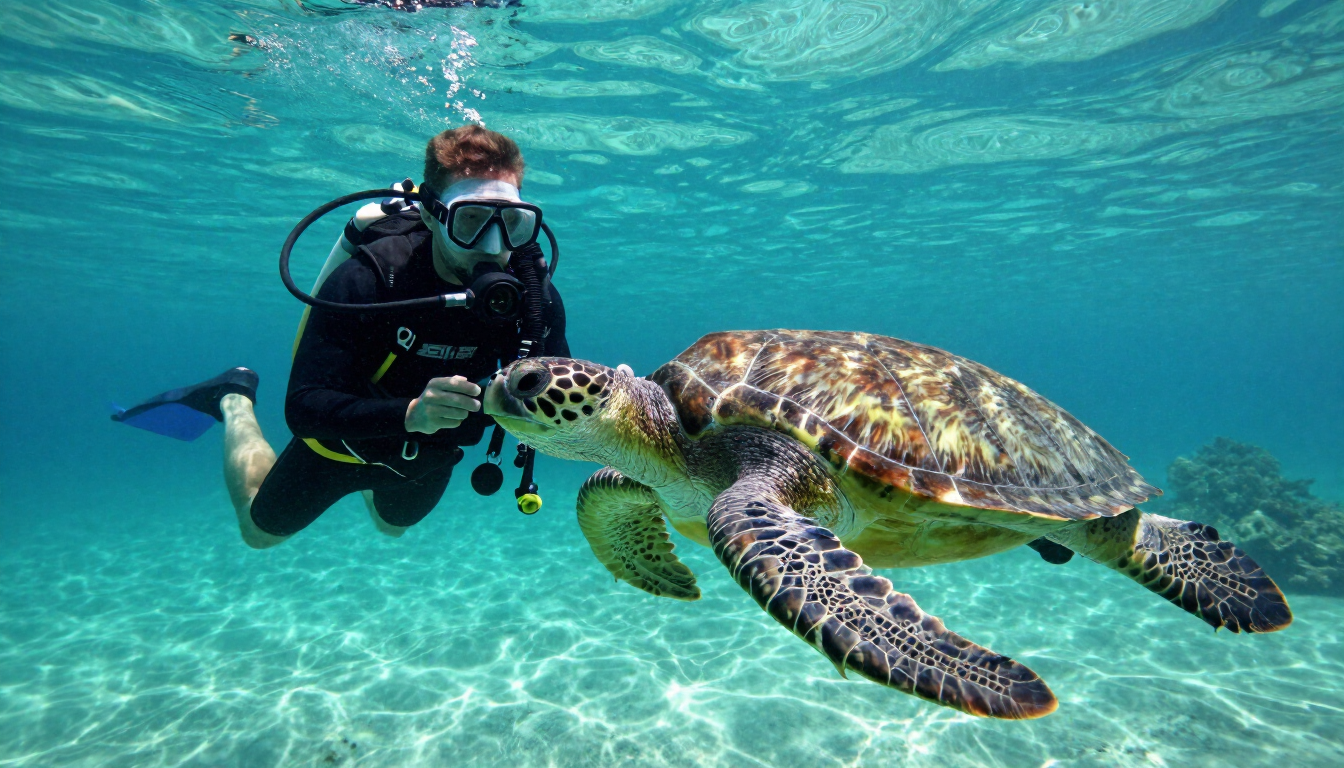
Diver with Turtle

How can you book your next dive photography adventure?

Ready to take your skills to the next level? Twobar Scuba has been operating since 1999, and our team has extensive knowledge of the Sodwana Bay reefs. We don't just guide you; we help you find the best angles and the most interesting subjects. Whether you are a beginner looking for your first certification or an experienced diver wanting to specialize in photography, we have a path for you.

You can easily Book your session through our website. We offer flexible scheduling and can tailor dives to your specific photographic goals. If you are staying in Pretoria, visit our training center for pre-trip workshops. If you are already at the coast, join us at our Sodwana charter for daily excursions. Our instructors are passionate about the ocean and are always happy to share tips on how to capture its beauty.

Summary of Key Takeaways

Mastering underwater photography is a journey that combines technical skill with a deep love for the marine environment. By focusing on the fundamentals, you can ensure every trip to the reef results in memories that last a lifetime.

  • Master Buoyancy First: Stability is the foundation of every clear shot.
  • Restore Color: Use strobes or filters to bring back the vibrancy of the reef.
  • Know Your Subject: Learn marine life behavior to anticipate the best shots.
  • Protect Your Gear: Diligent maintenance prevents floods and equipment failure.
  • Dive with Experts: Join Twobar Scuba to find the best photographic spots in Sodwana.

Capture the magic of the underwater world and share the beauty of South Africa's reefs with the world. We look forward to seeing your stunning shots!

Recent Posts

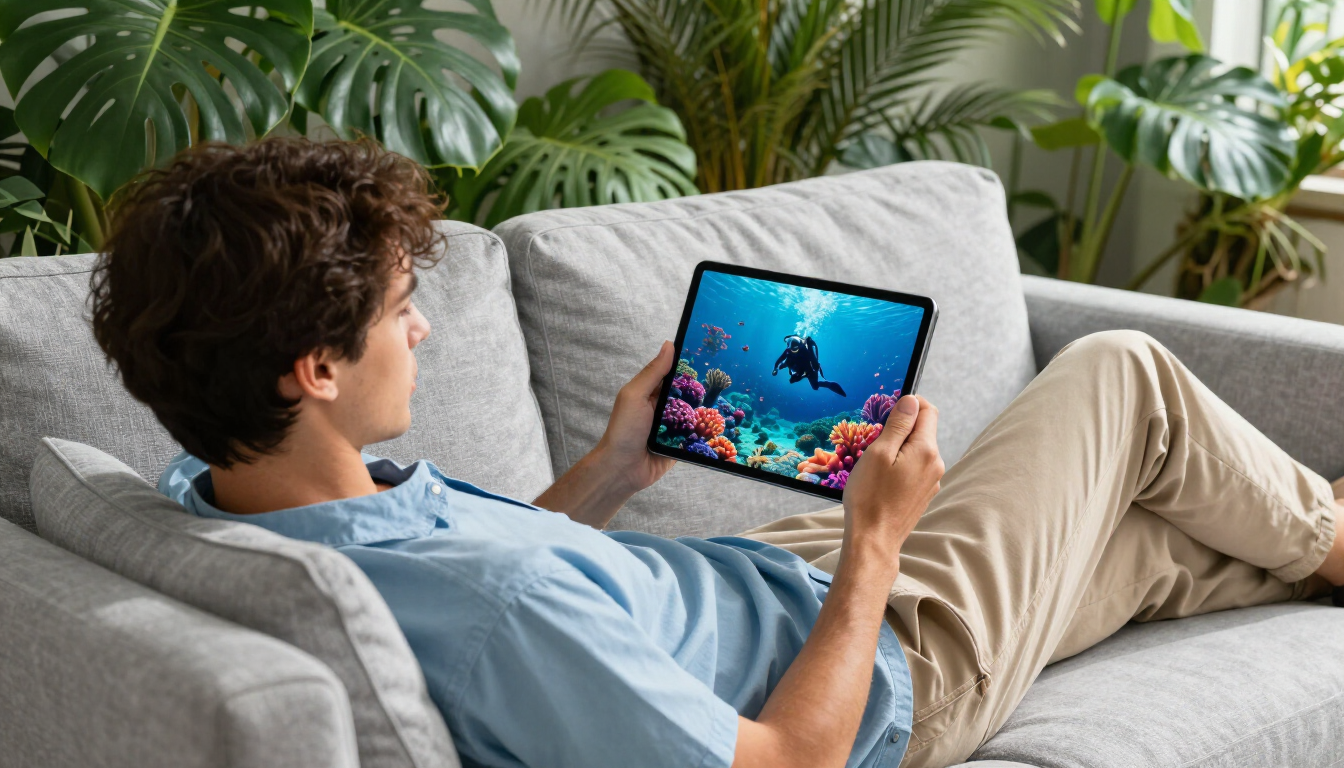
Student using PADI eLearning on a tablet at home.
June 1, 2026
Discover how PADI eLearning works. Learn to scuba dive at your own pace with online theory before you hit the water with Twobar Scuba in Sodwana Bay.
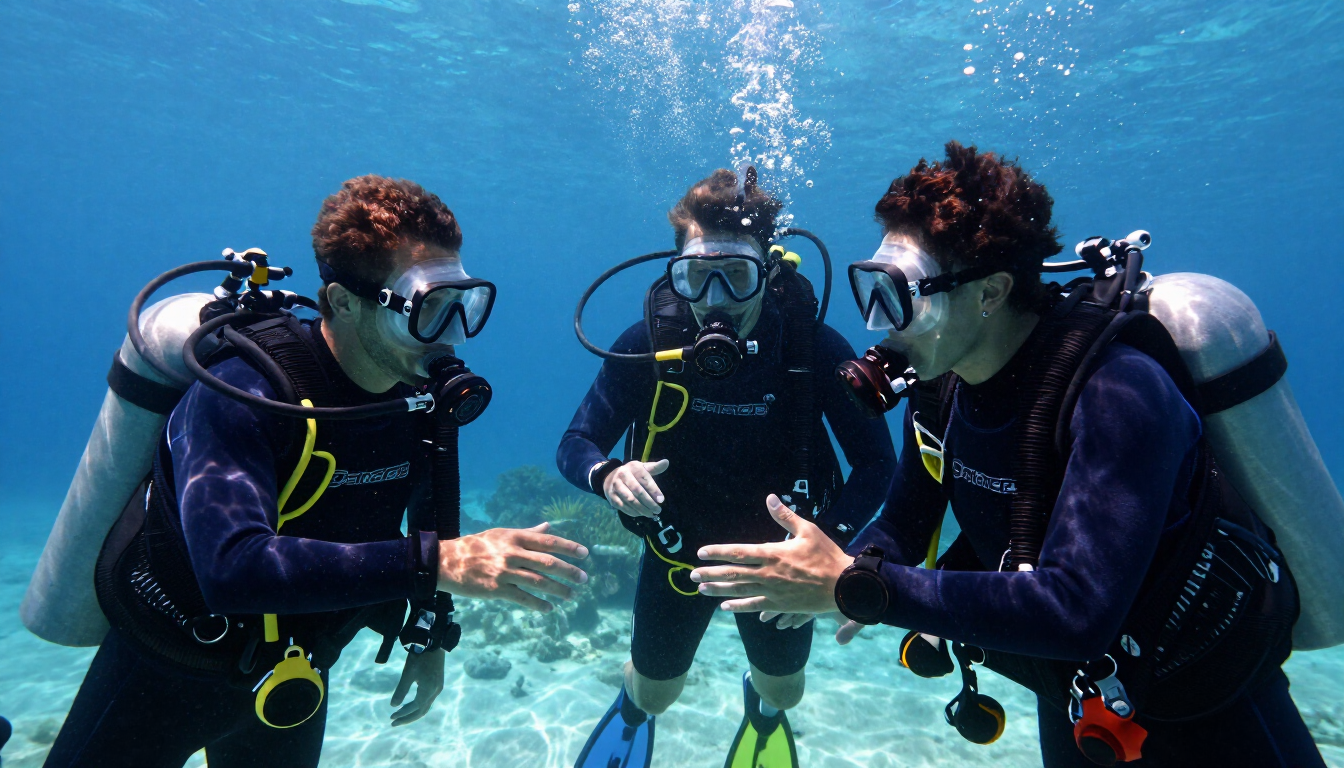
A scuba instructor guiding a small group of students underwater in a clear training environment.
June 1, 2026
Discover why small scuba class sizes are essential for safety, skill mastery, and confidence. Learn how Twobar Scuba's personalized training helps you excel in your certification.
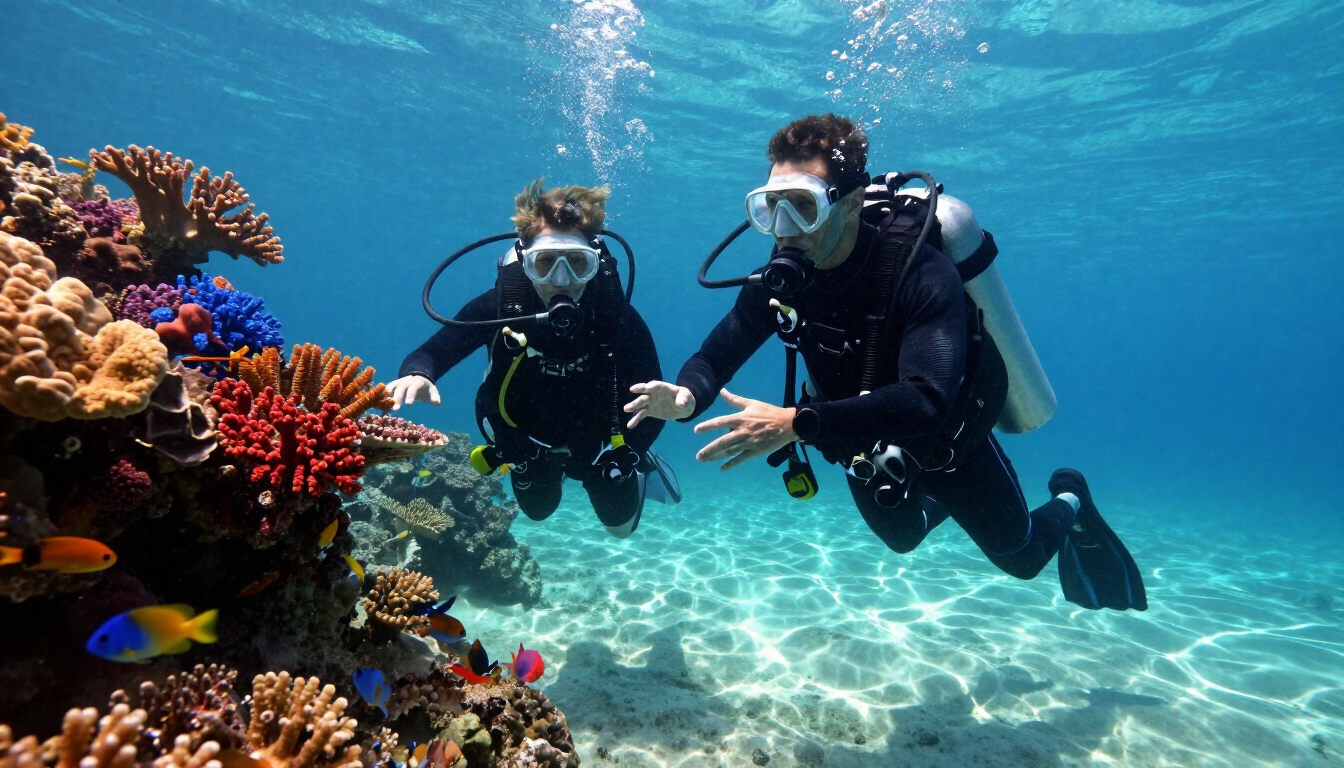
Professional scuba diving instructor and student underwater training session.
June 1, 2026
Learn the core differences between Divemaster and PADI Instructor roles. Explore teaching authority, prerequisites, and professional diving career paths for 2026.
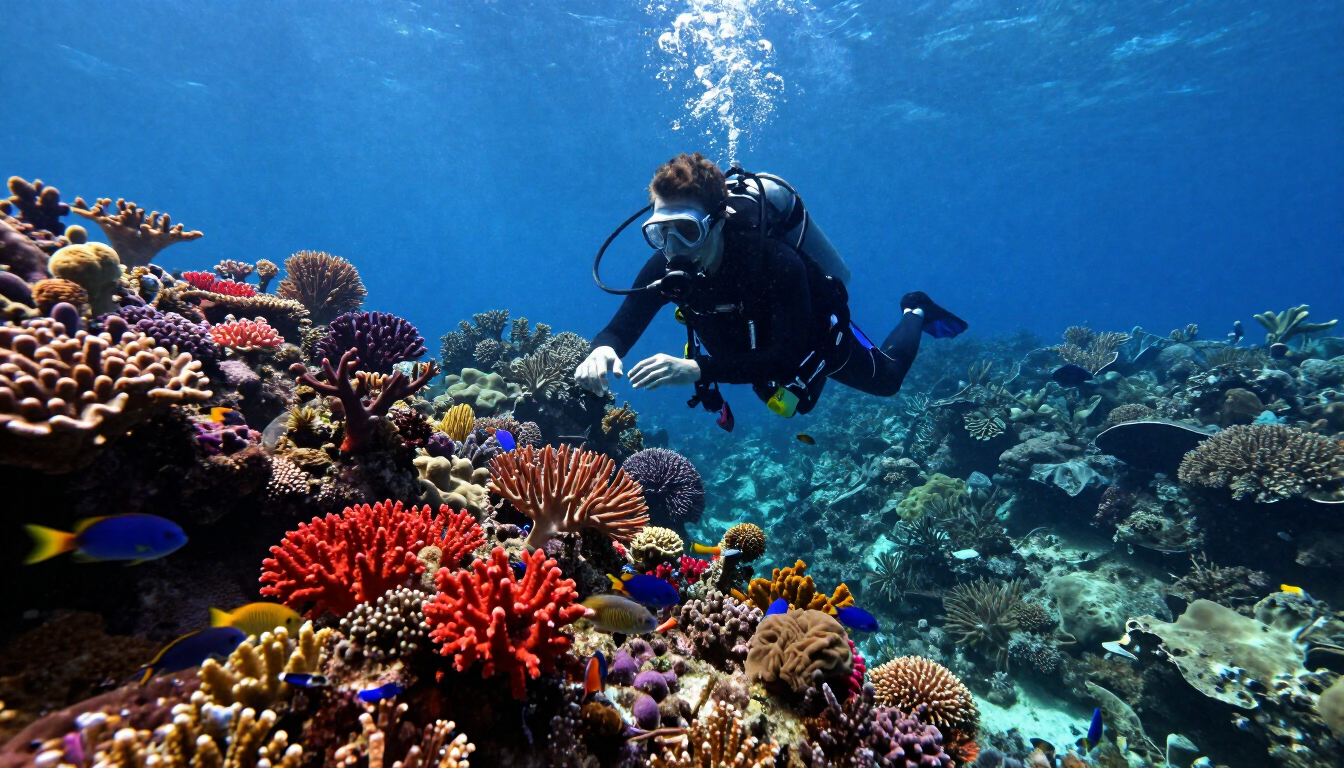
A scuba diver using a compass for underwater navigation near a coral reef.
June 1, 2026
Explore the most popular PADI specialty courses including Deep Diving, Night Diving, and Navigation. Learn how these certifications enhance your skills and underwater safety.
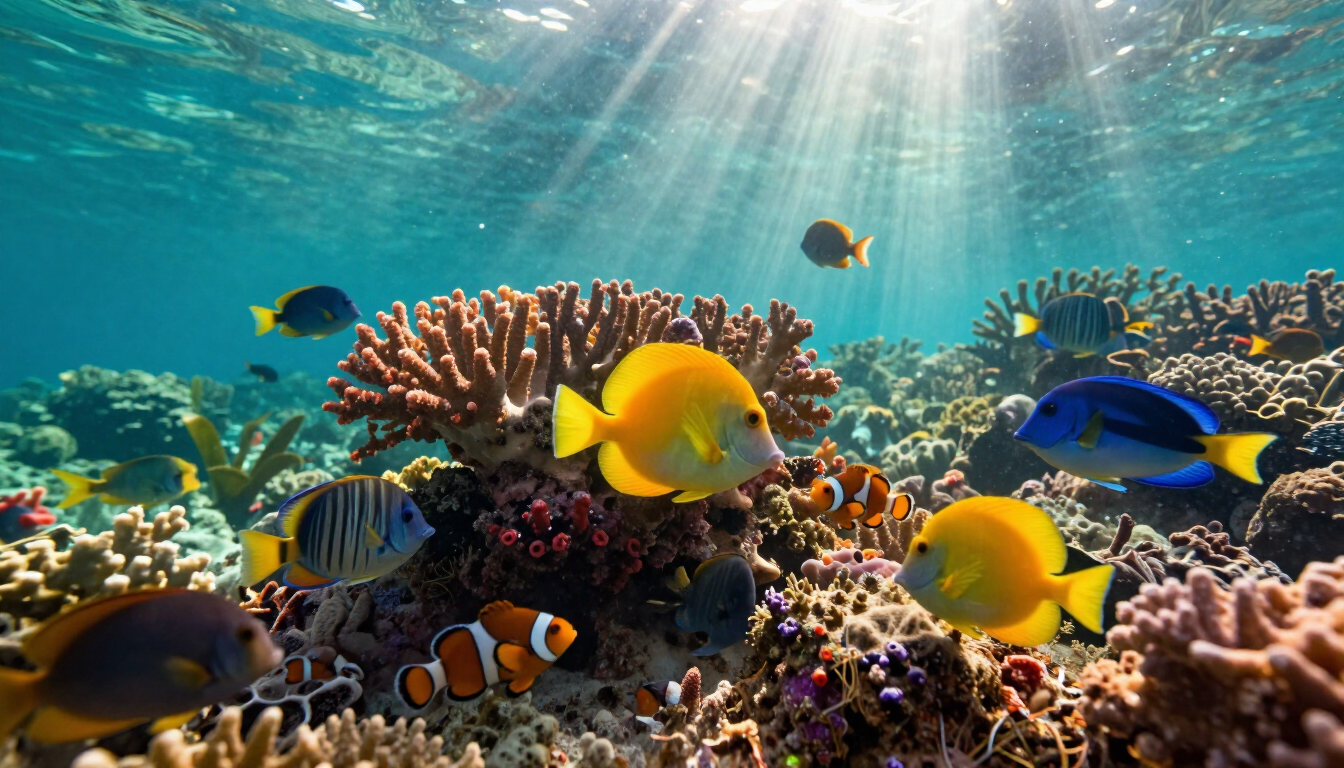
Vibrant coral reef in Sodwana Bay South Africa
June 1, 2026
Complete your NAUI scuba theory in Gauteng and finish your qualifying dives in Sodwana Bay. Learn the benefits of the referral method with Twobar Scuba.
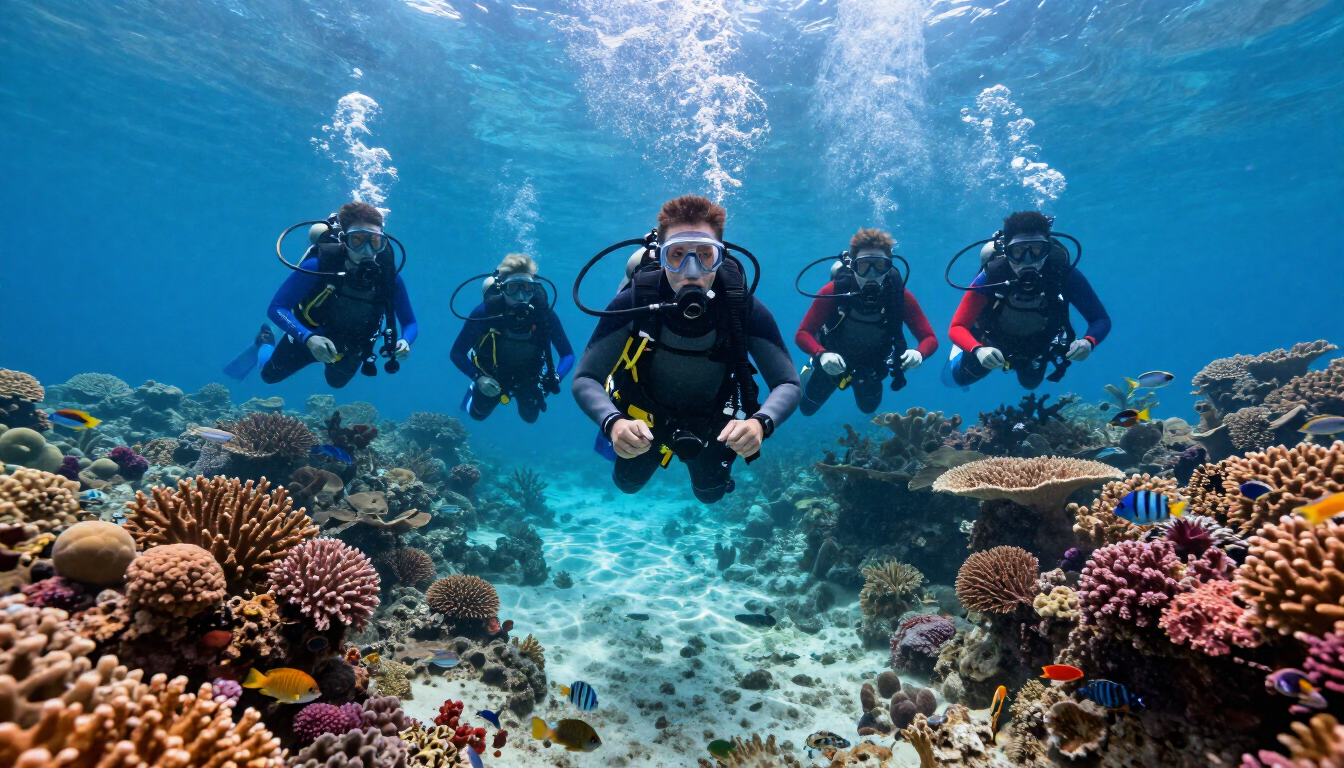
A professional scuba divemaster guiding a group through a vibrant coral reef.
June 1, 2026
Professional Divemaster training at Twobar Scuba. Learn to lead dives in Sodwana Bay and Pretoria with expert NAUI instructors. Start today!
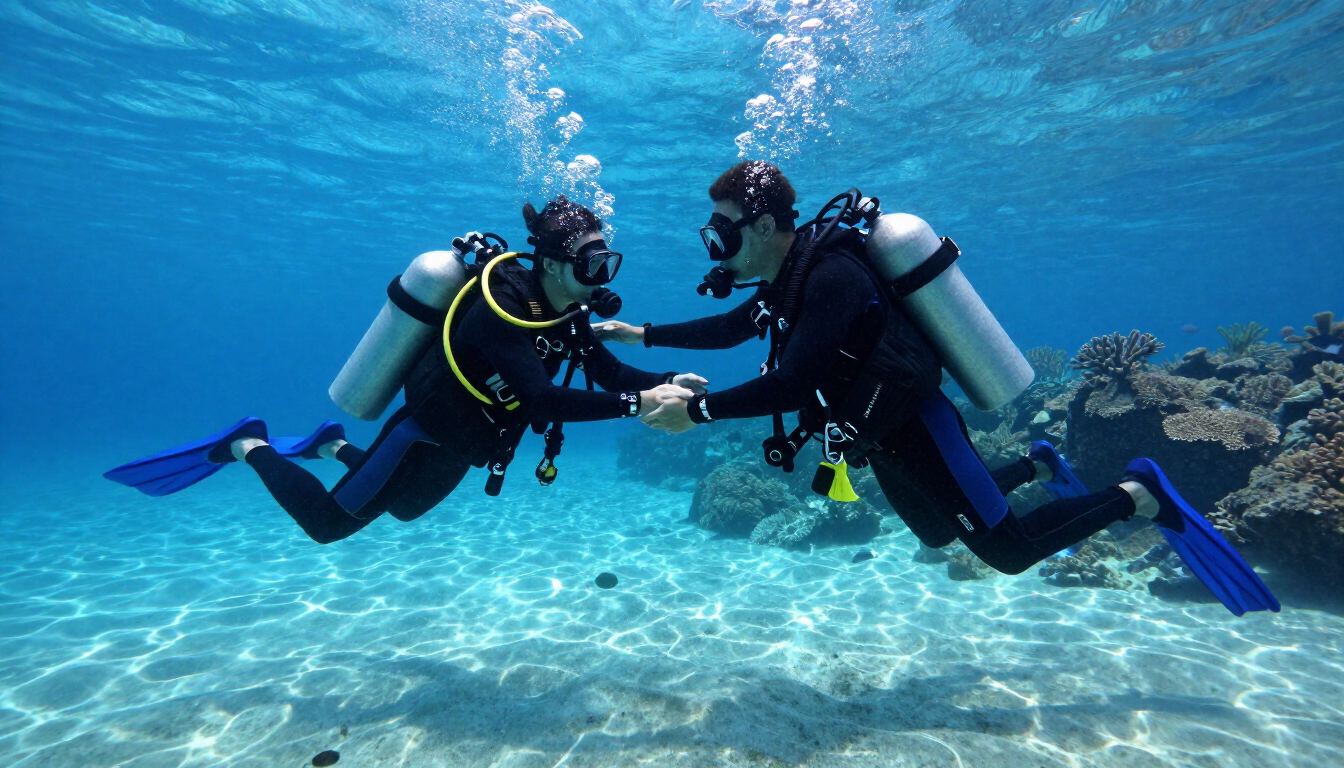
Scuba divers practicing rescue techniques in clear water
June 1, 2026
Explore the Rescue Diver course: what it covers, why it’s the most challenging yet rewarding scuba certification, and how it prepares you for emergencies.
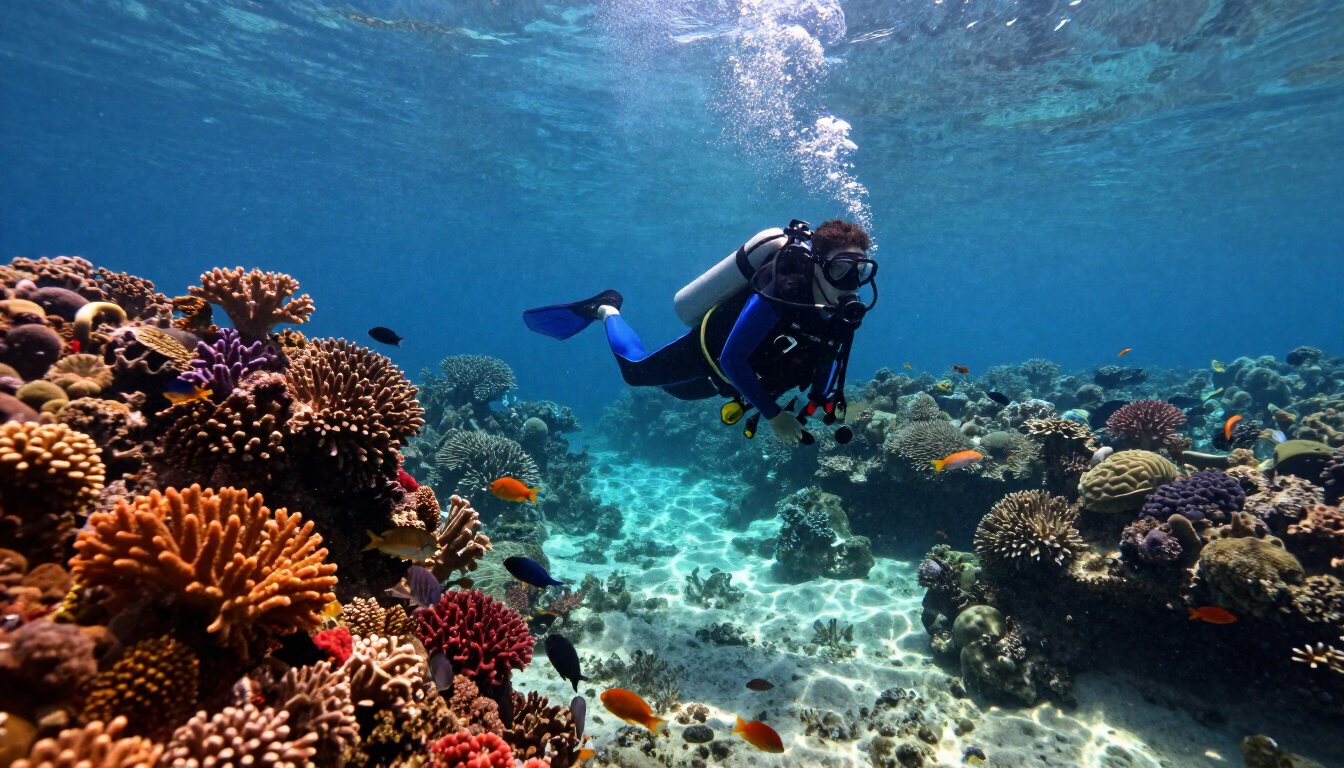
A scuba diver mask underwater with bubbles and blue light.
June 1, 2026
Compare Open Water vs Advanced Open Water certification levels. Discover which course is right for your experience level and how to advance your diving skills at Sodwana Bay.
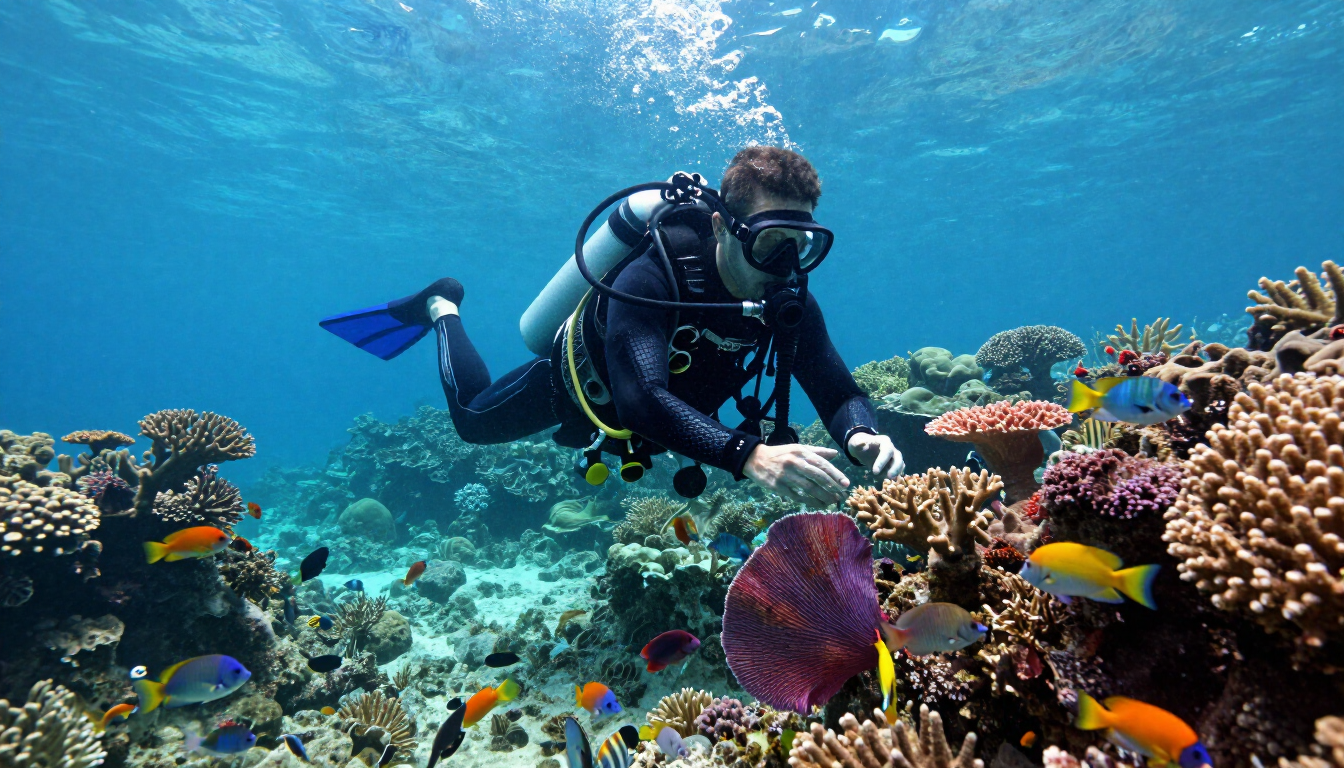
A professional scuba diver exploring a vibrant coral reef.
June 1, 2026
Discover what PADI is and why scuba diving accreditation is vital for your safety. Compare PADI and NAUI standards and find the best dive training in 2026.
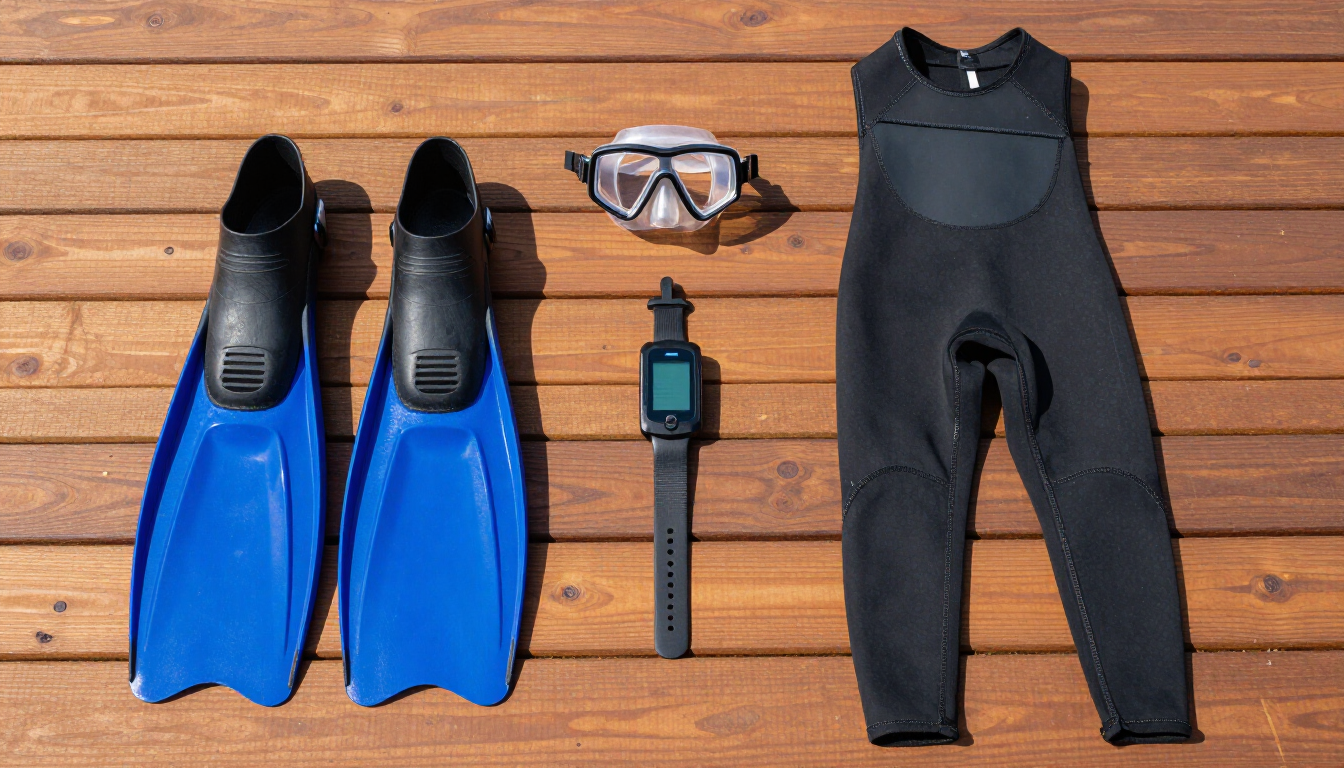
Scuba diving equipment layout for a Sodwana Bay trip.
June 1, 2026
Heading to Sodwana Bay for your first dive? Use our comprehensive packing list covering scuba gear, sun protection, and essential South African travel tips for a perfect trip.

Show More