
How PADI eLearning Works: Study Scuba Before the Water

June 1, 2026

Share this article

PADI eLearning is an interactive digital platform that allows you to complete the theoretical portion of your scuba certification at your own pace from home. By using online modules, videos, and quizzes, you finish the knowledge development before starting your practical pool and ocean training sessions.

How does PADI eLearning work?

The process of PADI eLearning is designed to be as seamless and user-friendly as possible, catering to the modern adventurer who balances a busy lifestyle with a passion for the ocean. When you sign up for a course through a dive center like Twobar Scuba, you receive a unique access code or a registration link. This link connects your progress directly to our Training records, allowing our instructors to see how you are doing and where you might need a little extra help.

Once logged in, you are presented with a series of interactive modules. Unlike old-fashioned textbooks, the digital platform uses a mix of text, high-definition videos, and interactive diagrams to explain complex concepts like buoyancy, pressure-volume relationships, and dive planning. At the end of each section, there is a short quiz to reinforce what you have learned. You cannot move to the next section until you demonstrate a solid understanding of the current one. This ensures that by the time you arrive at our facility for your first underwater breath, you possess a confident foundation of scuba theory.

The PADI Training App Experience

One of the best features of this system is its portability. You can access your course material via a web browser on a desktop or laptop, but many students prefer using the PADI Training App. This app allows you to download modules to your smartphone or tablet, meaning you can study offline—whether you are on a plane, commuting, or relaxing in a park. Your progress syncs automatically as soon as you reconnect to the internet. This flexibility is a game-changer for those who want to start their Diving in Sodwana journey without spending their vacation time in a classroom.

Student studying scuba diving theory on a laptop

Why Digital Learning Beats the Classroom

Transitioning from traditional classroom-based learning to a digital-first approach offers several distinct advantages for the modern scuba student. First and foremost is the elimination of time pressure. In a physical classroom, the instructor must move at a set pace to accommodate the entire group. With PADI eLearning, if a particular concept—like the nitrogen absorption tables—takes you a bit longer to grasp, you can revisit the material as many times as you need without feeling rushed. Conversely, if you are a fast learner, you can breeze through the basics and move on to the more advanced sections.

Another significant benefit is the "flipped classroom" model. By completing your theory at home, the time you spend with your Twobar Scuba instructor is focused entirely on application and safety. Instead of sitting behind a desk, you are at the pool or the dive site, discussing how the theory applies to the actual gear you are wearing. This maximizes your practical learning time and ensures that you get the most value out of your Training investment.

Key Benefits of eLearning:

  • Learn at your own pace: No pressure to keep up with a group.
  • Flexible scheduling: Study late at night or early in the morning.
  • Environmentally friendly: No heavy paper manuals or physical shipping needed.
  • Interactive content: Videos and animations make learning more engaging.
  • Instant feedback: Quizzes provide immediate results and explanations.

What Subjects Will You Study Online?

If you are beginning with the PADI Open Water Diver course, the eLearning curriculum is comprehensive. It is divided into five distinct sections that cover everything you need to know to stay safe and enjoy your time underwater. You will start with the basics of underwater physics—understanding how water pressure affects your body and your equipment. This is followed by a deep dive into scuba equipment, where you learn about regulators, BCDs (Buoyancy Control Devices), and dive computers.

As you progress, the course covers the underwater environment, teaching you how to interact responsibly with marine life and how to manage different water conditions. Crucially, a large portion of the training is dedicated to safety procedures. You will learn how to prevent problems before they occur and how to handle emergencies should they arise. The final module focuses on dive planning, ensuring you know how to use a dive computer to manage your time and depth safely. For more insights on dive safety and standards, you can visit our Contact Us page to ask our instructors specific questions.

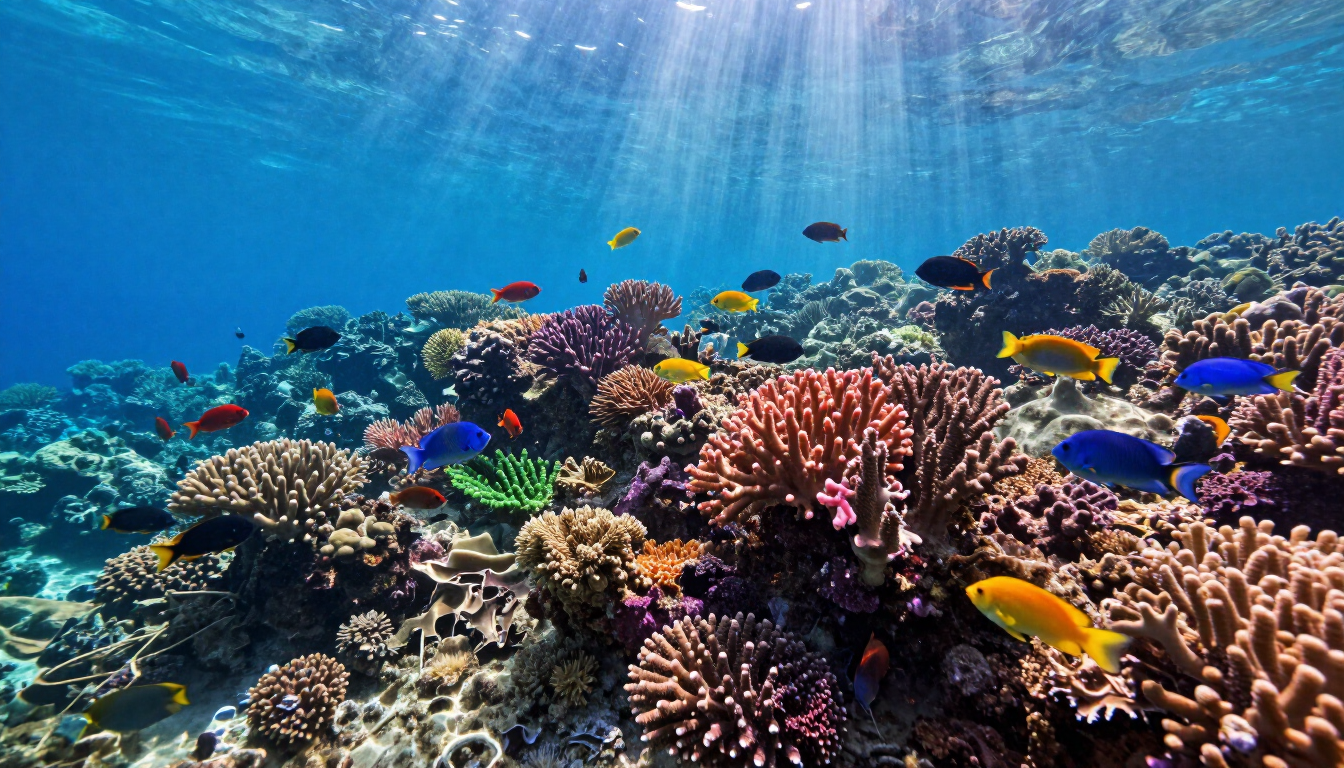
Colorful coral reef in Sodwana Bay with schools of fish

Equipment Needed for Your Digital Course

To successfully complete your PADI eLearning, you don't need a garage full of scuba gear just yet. The primary requirements are digital. You will need a reliable internet connection for the initial download and for submitting your final exam. In terms of hardware, the platform is compatible with:

  • Desktop and Laptop Computers: (Windows and Mac) using updated browsers like Chrome or Safari.
  • Tablets: (iPad and Android tablets) via the PADI Training App.
  • Smartphones: (iPhone and Android) for quick reviews and on-the-go learning.

While you are studying the theory, it is a great idea to browse our Gallery to see the type of gear our divers use at Twobar Scuba. Seeing the equipment in action can help visualize the concepts you are reading about in your modules. Once you finish the theory, we will provide all the necessary scuba gear for your practical sessions, including cylinders, regulators, and wetsuits.

How Long Do You Have to Finish Your Course?

One common question students ask is whether they have to finish the entire eLearning program in one sitting. The answer is a resounding no. PADI eLearning is designed for longevity. Once you purchase and register your course, you typically have twelve months to complete the online portion. This gives you plenty of time to fit your studies around your work, family, and social commitments.

However, it is important to note that once you finish the online theory, you should aim to start your practical training with Twobar Scuba relatively soon while the information is still fresh in your mind. If more than a year passes between finishing the theory and starting the water work, you may need to complete a quick refresher to ensure your safety knowledge is up to date. Check our Blog for more tips on staying dive-ready throughout the year.

The Transition from Screen to Sea

After you have successfully completed the online exam, the real excitement begins. You will receive an eLearning Record (a digital certificate) that you can present to us at Twobar Scuba. We will then schedule your confined water sessions, usually held in a controlled pool environment. Here, you will take the concepts you learned—like clearing your mask or recovering a regulator—and practice them under the watchful eye of our experienced instructors.

Once you have mastered the skills in the pool, we head to the ocean. For many of our students, this means a trip to the breathtaking reefs of Sodwana Bay. This is where the magic happens. You will complete four open water dives, applying everything you learned in the PADI eLearning modules to explore a world of vibrant coral and diverse marine life. It is the culmination of your hard work and the beginning of a lifetime of adventure. Ready to take the plunge? You can Book your practical session today.

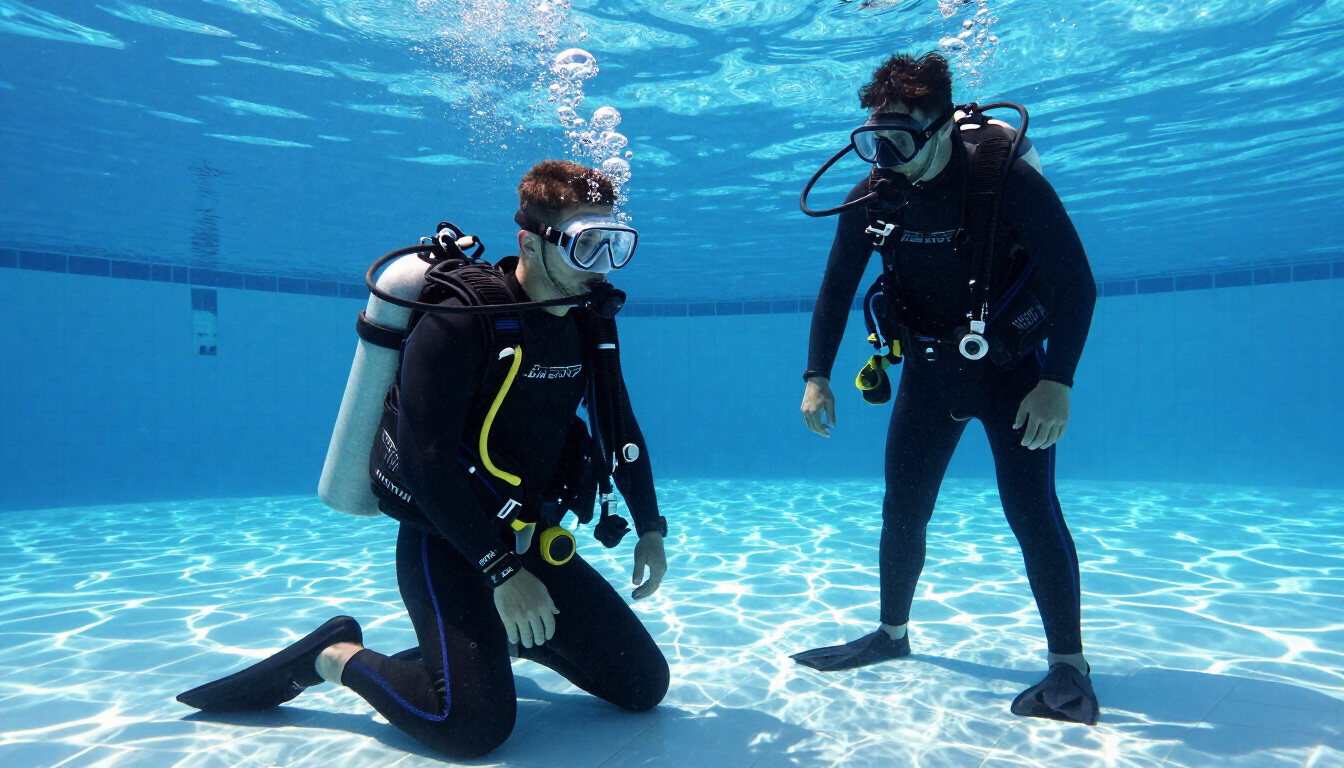
Scuba diver practicing skills in a clear swimming pool

Is the PADI eLearning Certificate Valid Internationally?

Yes, the PADI eLearning program is recognized globally. PADI (Professional Association of Diving Instructors) is the world’s leading scuba diving training organization. When you complete your theory online and your practical training with an accredited center like Twobar Scuba, you receive a PADI certification card that is accepted at dive shops and resorts in every corner of the globe. Whether you want to dive the Great Barrier Reef, the Red Sea, or the icy waters of the Atlantic, your PADI credentials are your passport to underwater exploration.

Furthermore, the eLearning platform is available in dozens of languages, making it accessible to international travelers and locals alike. This standardization ensures that no matter where you study, the safety protocols and core knowledge remain consistent, keeping you and your dive buddies safe wherever you choose to dive.

Why Start Your Diving Journey with Twobar Scuba?

Choosing the right dive center for your Training is just as important as the course material itself. At Twobar Scuba, we have been operating since 1999, bringing decades of expertise to every lesson. We offer a supportive, safe, and conversational environment where you aren't just a student—you're part of our diving family. Our facilities in Pretoria provide a convenient starting point for your skills development, while our operations in Sodwana Bay offer some of the best reef diving in South Africa.

We specialize in making the transition from PADI eLearning to the actual water feel natural and exciting. Our instructors are passionate about the ocean and are dedicated to helping you develop the confidence needed to become a competent diver. From our wheelchair-friendly facilities to our top-notch gear, we ensure that everyone has the opportunity to "smile with the tide."

Summary and Next Steps

PADI eLearning is the most efficient and flexible way to start your scuba diving adventure. By handling the heavy lifting of theory at home, you arrive at the water ready to focus on the fun parts: breathing underwater and seeing incredible fish. It saves you time, fits your schedule, and prepares you thoroughly for the practical challenges of diving.

  • Decide: Choose the course that fits your goals (Open Water is the most common start).
  • Register: Get your access code through Twobar Scuba to link your progress.
  • Study: Complete the modules at your own pace over a few days or weeks.
  • Dive: Book your pool and ocean sessions with our team.
  • Explore: Start your journey at Home and join us in the water!

Recent Posts

A scuba instructor guiding a small group of students underwater in a clear training environment.
June 1, 2026
Discover why small scuba class sizes are essential for safety, skill mastery, and confidence. Learn how Twobar Scuba's personalized training helps you excel in your certification.
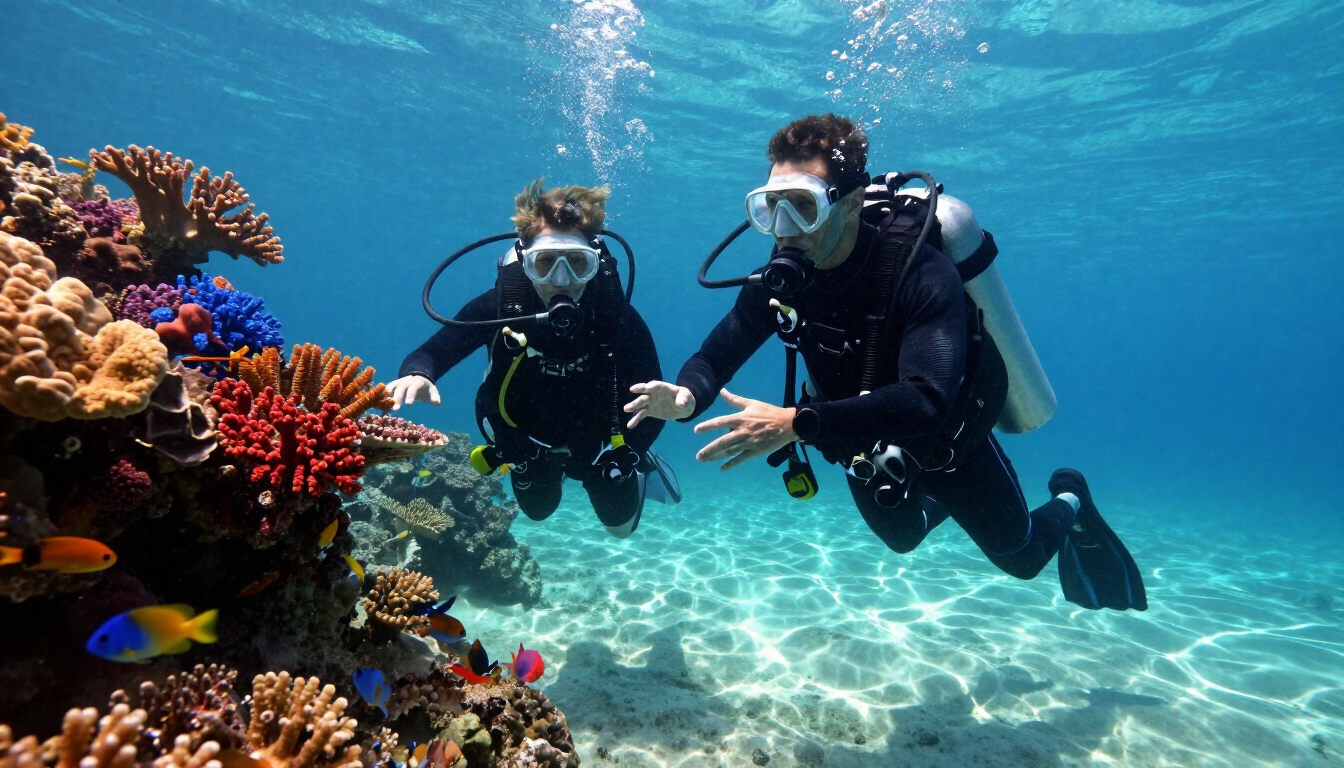
Professional scuba diving instructor and student underwater training session.
June 1, 2026
Learn the core differences between Divemaster and PADI Instructor roles. Explore teaching authority, prerequisites, and professional diving career paths for 2026.
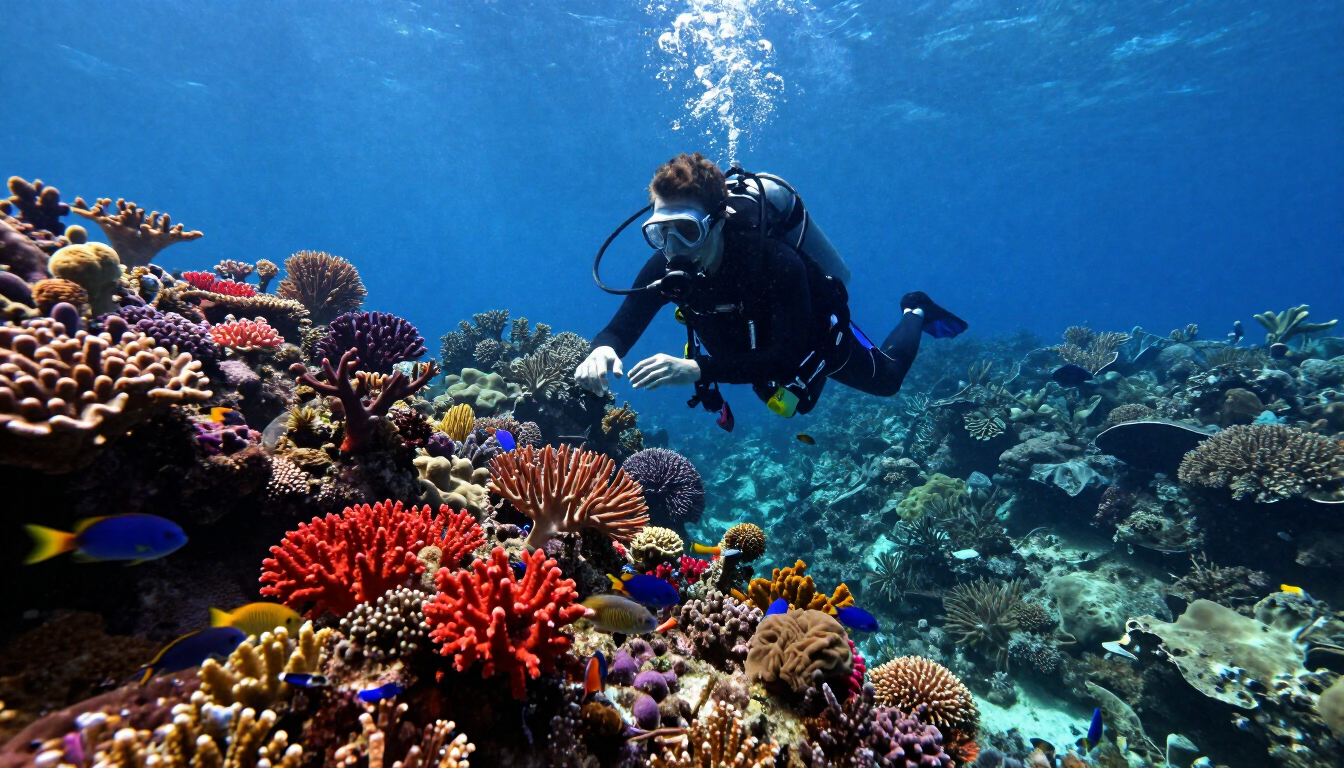
A scuba diver using a compass for underwater navigation near a coral reef.
June 1, 2026
Explore the most popular PADI specialty courses including Deep Diving, Night Diving, and Navigation. Learn how these certifications enhance your skills and underwater safety.
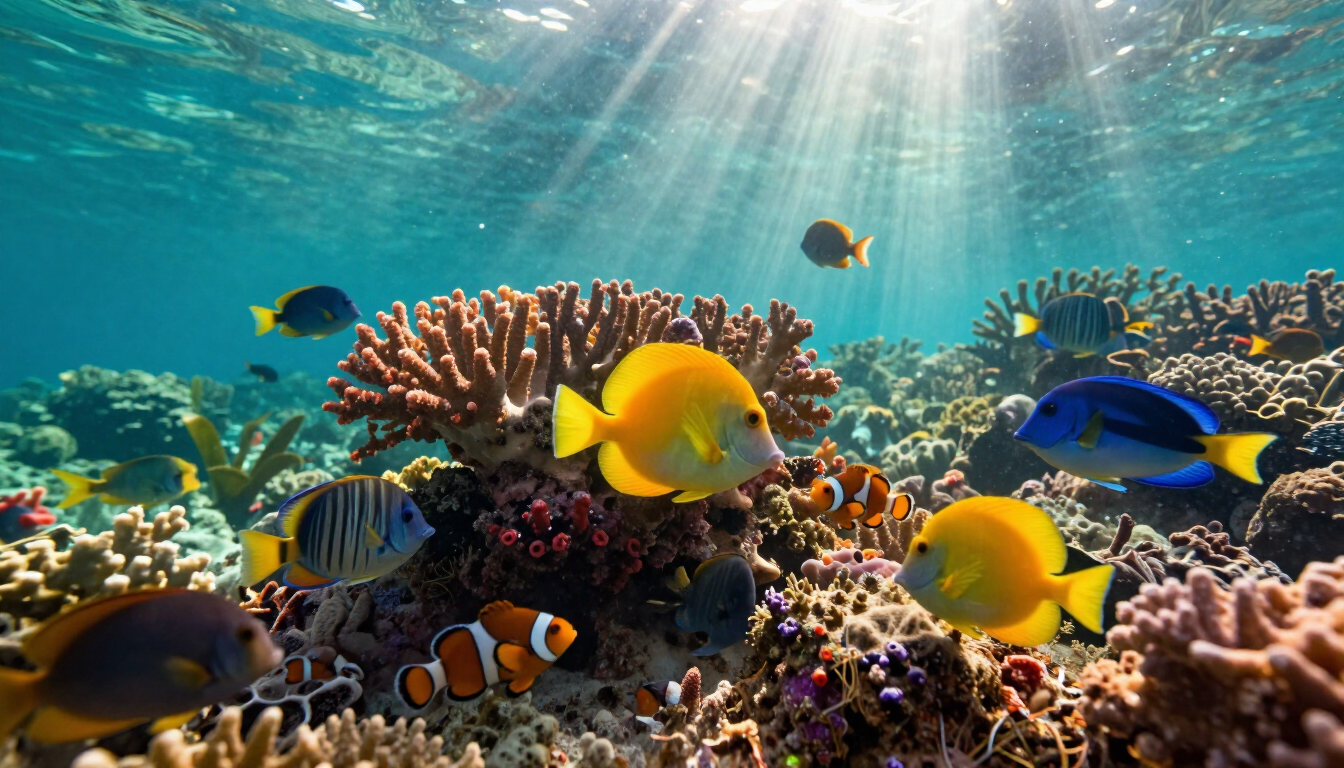
Vibrant coral reef in Sodwana Bay South Africa
June 1, 2026
Complete your NAUI scuba theory in Gauteng and finish your qualifying dives in Sodwana Bay. Learn the benefits of the referral method with Twobar Scuba.
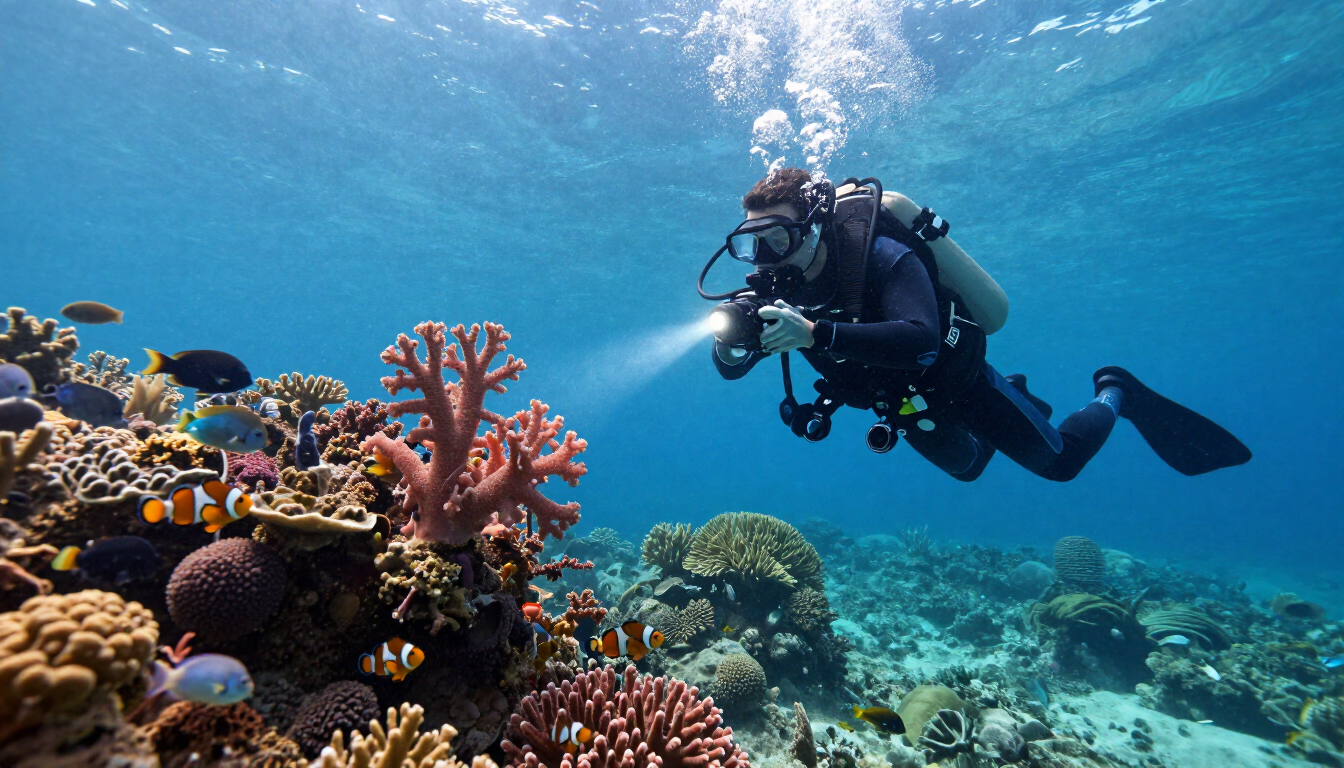
Scuba diver taking photos of coral reef in Sodwana Bay
June 1, 2026
Master underwater photography at Sodwana Bay. Learn essential techniques for stunning marine shots with Twobar Scuba's professional training.
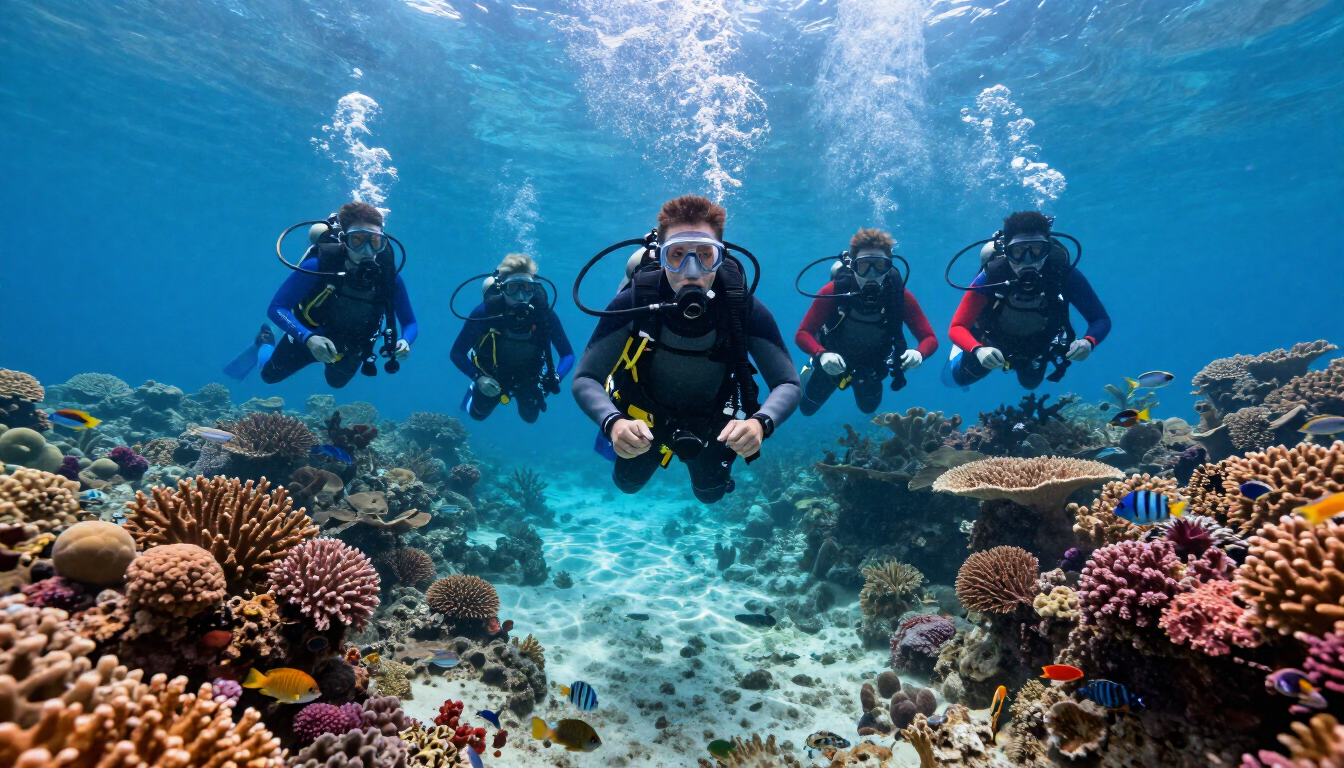
A professional scuba divemaster guiding a group through a vibrant coral reef.
June 1, 2026
Professional Divemaster training at Twobar Scuba. Learn to lead dives in Sodwana Bay and Pretoria with expert NAUI instructors. Start today!
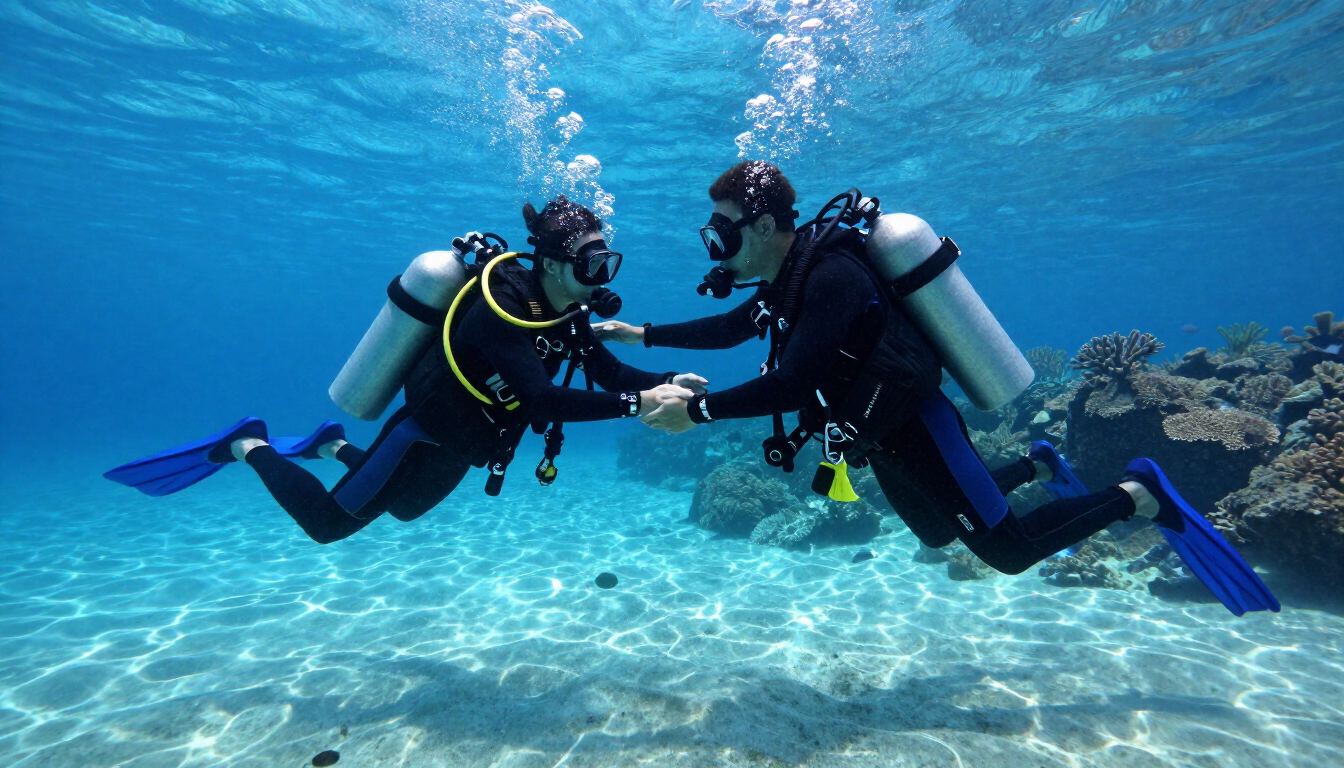
Scuba divers practicing rescue techniques in clear water
June 1, 2026
Explore the Rescue Diver course: what it covers, why it’s the most challenging yet rewarding scuba certification, and how it prepares you for emergencies.
A scuba diver mask underwater with bubbles and blue light.
June 1, 2026
Compare Open Water vs Advanced Open Water certification levels. Discover which course is right for your experience level and how to advance your diving skills at Sodwana Bay.
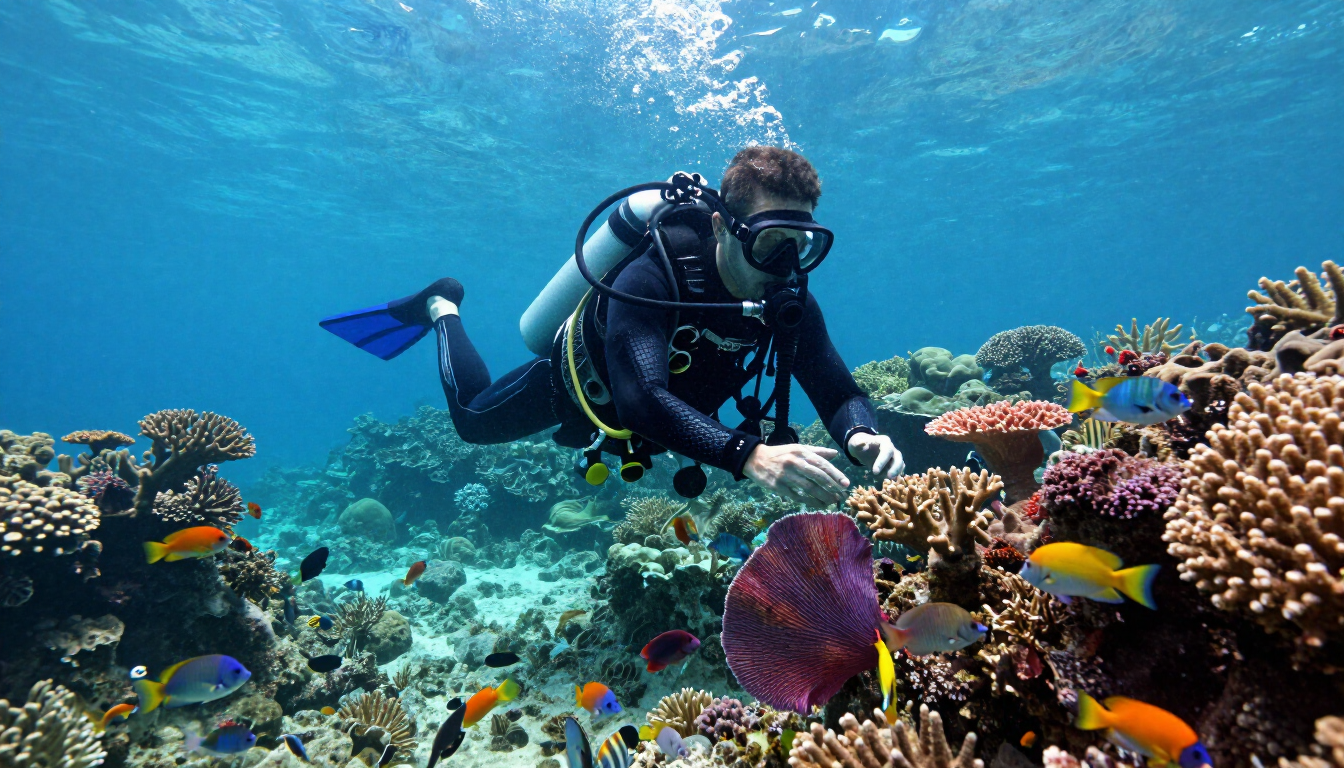
A professional scuba diver exploring a vibrant coral reef.
June 1, 2026
Discover what PADI is and why scuba diving accreditation is vital for your safety. Compare PADI and NAUI standards and find the best dive training in 2026.
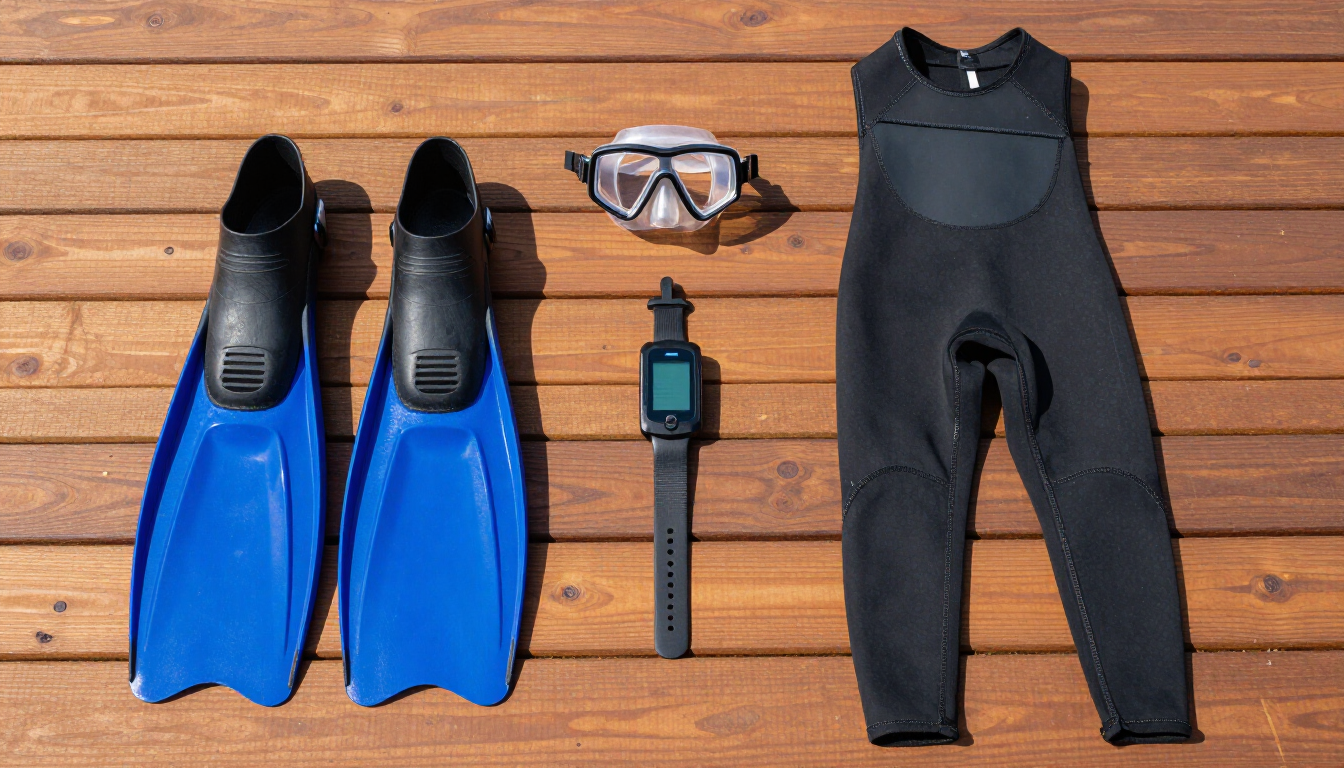
Scuba diving equipment layout for a Sodwana Bay trip.
June 1, 2026
Heading to Sodwana Bay for your first dive? Use our comprehensive packing list covering scuba gear, sun protection, and essential South African travel tips for a perfect trip.

Show More