10 Scuba Diving Age Requirements: When Can You Start? (2026)

June 1, 2026

Share this article

To start scuba diving, children can begin as early as 8 years old for pool-based introductory programs. For full certification, the minimum age is 10 years old for a Junior Open Water Scuba Diver license. These standards, set by organizations like NAUI, ensure safety and cognitive readiness.

What is the minimum age to start scuba diving?

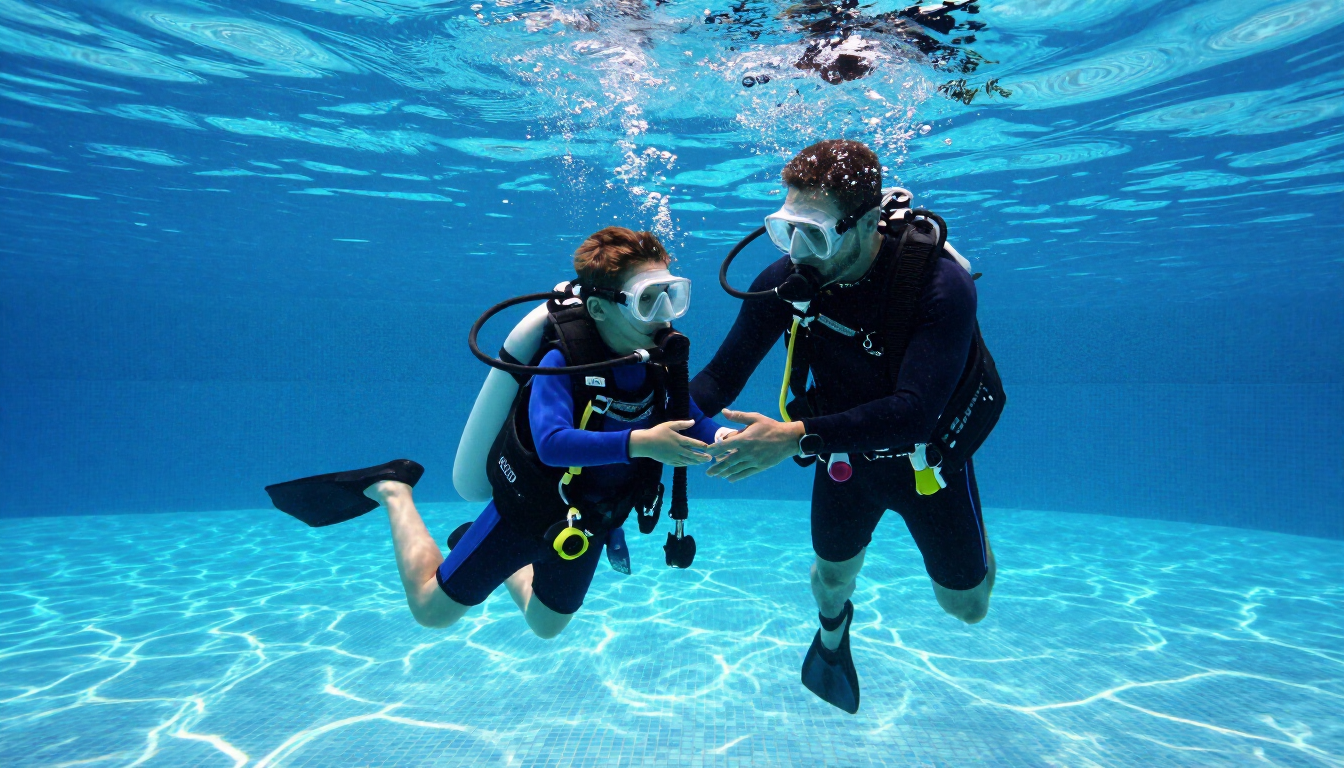
The journey into the underwater world usually begins with a small splash. According to international safety standards followed by Twobar Scuba, the absolute minimum age to breathe underwater using a regulator is eight years old. At this age, the experience is strictly limited to shallow, controlled environments—typically a swimming pool with a maximum depth of about two to four meters. These programs are designed to be fun and non-intimidating, focusing on comfort rather than complex technical skills.

Once a child reaches the age of 10, the doors to the ocean truly open. This is the age where they can enroll in the Junior Open Water Scuba Diver course. While the training is rigorous, it is tailored to their developmental stage. It is important to note that even after certification, these young divers are subject to specific depth limits and must always dive with a certified parent, guardian, or dive professional. This ensures that their early experiences are supervised by those who understand both the ocean and the child’s specific needs.

For many families, starting at 10 is the perfect way to build a lifelong hobby together. By the time a diver reaches 15, their junior certification can usually be upgraded to a standard Open Water certification without repeating the entire course, though a refresher is always recommended. Whether you are visiting our Training center in Pretoria or joining us for Diving in Sodwana , we prioritize safety and age-appropriate learning.

Are there different age limits for various scuba courses?

Yes, the path from a beginner to an expert is paved with age-specific milestones. Diving agencies like NAUI (National Association of Underwater Instructors) have carefully studied the physical and psychological development of children to create these tiers. These age limits are not just arbitrary numbers; they are based on a child's ability to grasp physics, manage equipment, and respond to emergencies.

  • Ages 8-9: Restricted to pool sessions (often called "Try Scuba" or "Bubblemaker" programs).
  • Ages 10-14: Eligible for Junior Open Water and Junior Advanced certifications.
  • Age 15+: Standard adult certifications and most specialty courses become available.
  • Age 18+: Required for professional-level certifications like Divemaster or Instructor.

At Twobar Scuba, we see these stages as building blocks. A ten-year-old might start with their Junior Open Water in a safe environment, then spend the next few years gaining experience before moving on to more advanced training. This gradual progression builds incredible confidence and respect for the marine environment.

Junior Scuba Training

Can kids get NAUI certified at Twobar Scuba?

Absolutely! Twobar Scuba has been an accredited NAUI Dive Centre since its inception, and we take great pride in our youth training programs. Our instructors are not just divers; they are educators who know how to communicate complex concepts like buoyancy, nitrogen absorption, and pressure in ways that kids can understand. We offer training at our facility in Pretoria, providing a safe, wheelchair-friendly, and supportive environment for those first critical breaths underwater.

When a child trains with us, they aren't just getting a card; they are joining a community. Our history in Sodwana Bay since 2004 means we have seen many young divers grow from nervous ten-year-olds into confident leaders in the water. We focus on small group sizes to ensure every student gets the attention they deserve. If you’re ready to start this journey, you can Book your introductory session today.

Is my child physically ready for scuba diving?

Physical readiness involves more than just being a strong swimmer. While a child needs to be comfortable in the water and able to maintain a steady swim, scuba diving requires carrying heavy equipment and managing the physical effects of pressure. We look for a few key physical traits in our younger students:

  1. Lung Development: A child’s lungs must be mature enough to handle compressed air.
  2. Equalization: They must be able to clear their ears effectively to prevent discomfort.
  3. Physical Strength: They should be able to carry a small tank or move comfortably in fins.
  4. Overall Health: A medical questionnaire is a standard part of any Training program.

It is also essential that the child wants to dive. Sometimes parents are more excited than the children themselves. At Twobar Scuba, we ensure the child is motivated and curious, as a willing student is always a safer diver. We encourage parents to browse our Gallery to show their kids what the underwater world of Sodwana looks like to spark that natural curiosity.

Essential safety gear for junior divers

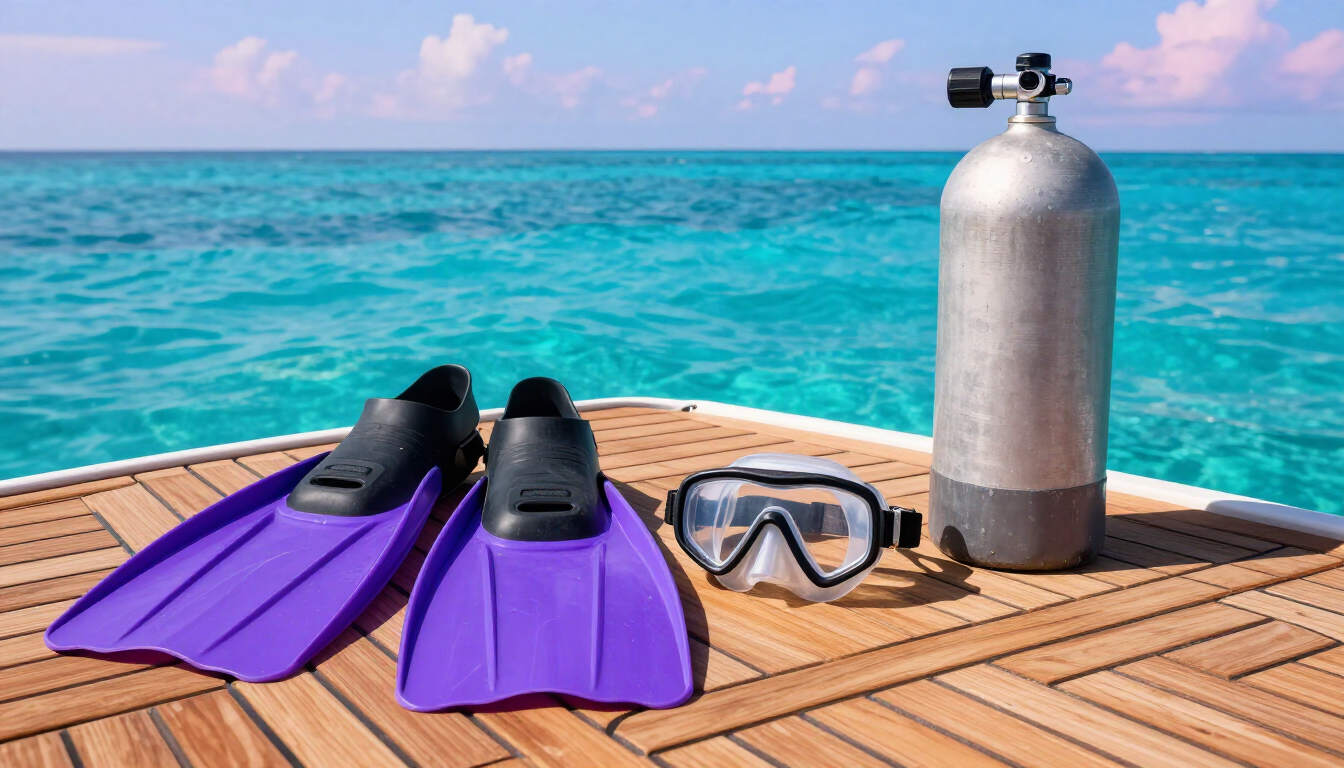
One of the most common questions we receive involves equipment. Can a small child use standard adult gear? The answer is generally no. For a safe and comfortable experience, junior divers need gear that fits their smaller frames. Ill-fitting masks can leak, and oversized fins can cause cramping or exhaustion. At our dive shop, we provide specialized equipment designed for younger divers.

  • Smaller Masks: A proper seal is vital for comfort and safety.
  • Children’s Wetsuits: Kids lose body heat faster than adults, so a well-fitting suit is key.
  • Lighter Tanks: We use smaller, lighter cylinders to reduce the strain on young backs.
  • Adjustable BCDs: Buoyancy Control Devices must be snug to keep the diver stable.

Safety is our number one priority. Our Contact Us page outlines our commitment to international safety standards, which includes the meticulous maintenance of all our rental gear. When your family dives with us, you can rest assured that the equipment is top-notch and perfectly sized for everyone from the youngest explorer to the most seasoned veteran.

Scuba Gear for Kids

Why Sodwana Bay is the best place for young divers

Once the training in Pretoria is complete, the real magic happens in the ocean. Sodwana Bay, South Africa, is widely considered one of the best places in the world for newly certified divers and families. The reefs are vibrant, the water is warm, and the visibility is often spectacular. For a child who has only ever seen fish on a screen, seeing a sea turtle or a colorful anemone in person is a life-changing event.

Our dive charter at Twobar Scuba has been operating in Sodwana since 2004. We know these reefs intimately. For younger divers, we select dive sites that are shallow, have minimal current, and offer the most "bang for your buck" in terms of marine life. This reduces anxiety and allows the new diver to focus on their buoyancy and the beauty around them. Common sightings include:

  1. Green and Hawksbill Turtles: Often found resting on the shallow reefs.
  2. Nudibranchs: Small, brightly colored sea slugs that kids love to spot.
  3. Anemone Fish: The famous 'Nemo' is a staple of our local reefs.
  4. Ray Species: Often seen gliding over the sandy patches between corals.

Experience the thrill of Diving in Sodwana with a team that understands the nuances of family diving. We plan our dives based on your specific requirements and qualifications, ensuring that no one is pushed beyond their comfort zone.

Is there a maximum age for scuba diving?

While we often focus on the minimum age, many people wonder if they can be "too old" to start. The short answer is no! As long as you are in good health and have a physician’s approval, you can dive well into your 70s, 80s, and beyond. In fact, diving is a low-impact activity that is excellent for maintaining joint mobility and cardiovascular health.

At Twobar Scuba, we pride ourselves on being accessible. Our facilities include wheelchair-friendly parking and restrooms, and our team is experienced in assisting divers of all physical abilities. Whether you are 10 or 75, the ocean doesn't discriminate. The feeling of weightlessness is a joy that everyone should experience at least once. If you've been sitting on the sidelines while your family dives, check out our Blog for more stories on how people of all ages have discovered their love for the sea.

Key Takeaways for Starting Your Diving Journey

Understanding the scuba diving age requirements is the first step toward a family adventure that spans generations. Whether you are looking for a new hobby for your children or finally fulfilling a lifelong dream of your own, the path is clear and safety-oriented.

  • Start at 8: Pool-only programs are a great, low-pressure introduction.
  • Certify at 10: The Junior Open Water certification is the standard for young explorers.
  • Prioritize Fit: Ensure children use age-appropriate, well-fitting gear for safety.
  • Choose the Right Environment: Shallow, warm reefs like those in Sodwana Bay are ideal for beginners.
  • Stay Within Limits: Always follow depth and supervision guidelines for junior divers.

If you have more questions about the process or want to know more about our specific safety protocols, don't hesitate to visit our Contact Us page. We are here to help you navigate the requirements and get you in the water with confidence. Dive with the wild, smile with the tide, and let Twobar Scuba show you the wonders of the deep.

Recent Posts

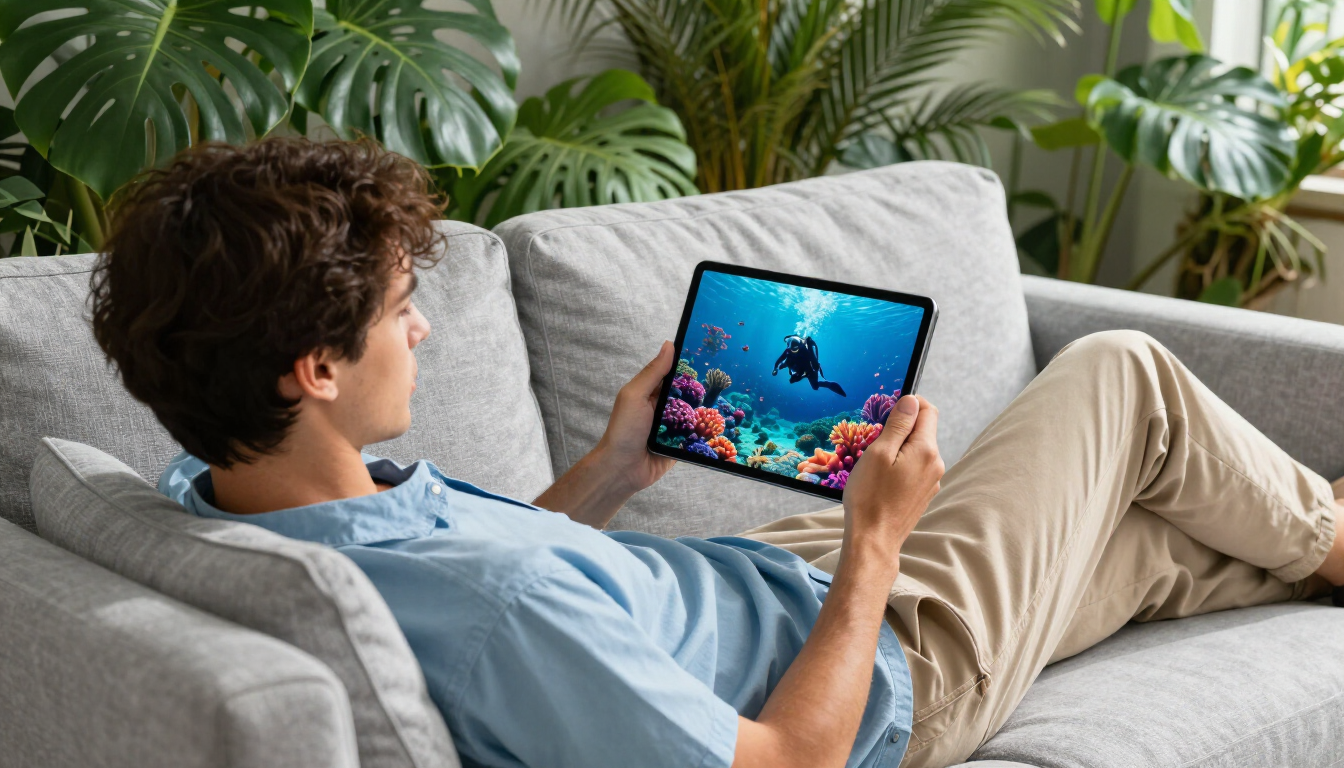
Student using PADI eLearning on a tablet at home.
June 1, 2026
Discover how PADI eLearning works. Learn to scuba dive at your own pace with online theory before you hit the water with Twobar Scuba in Sodwana Bay.
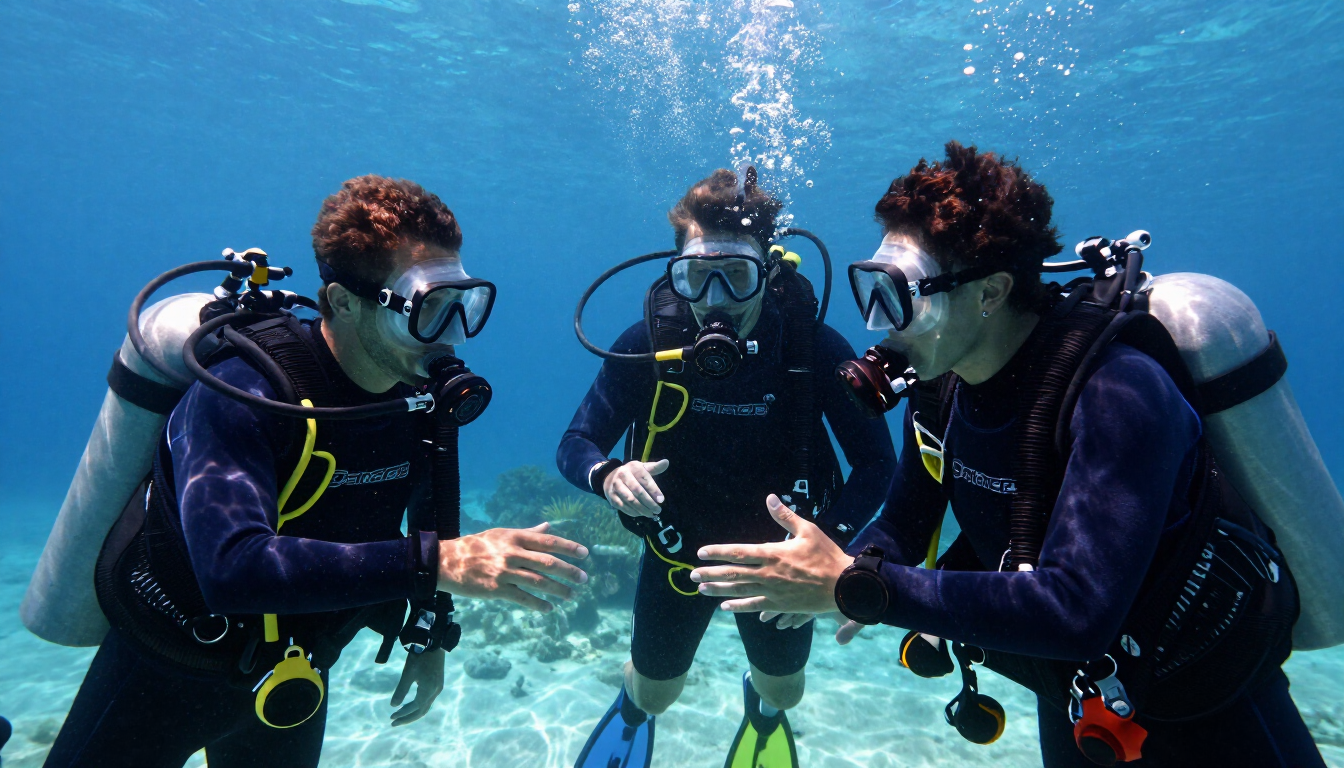
A scuba instructor guiding a small group of students underwater in a clear training environment.
June 1, 2026
Discover why small scuba class sizes are essential for safety, skill mastery, and confidence. Learn how Twobar Scuba's personalized training helps you excel in your certification.
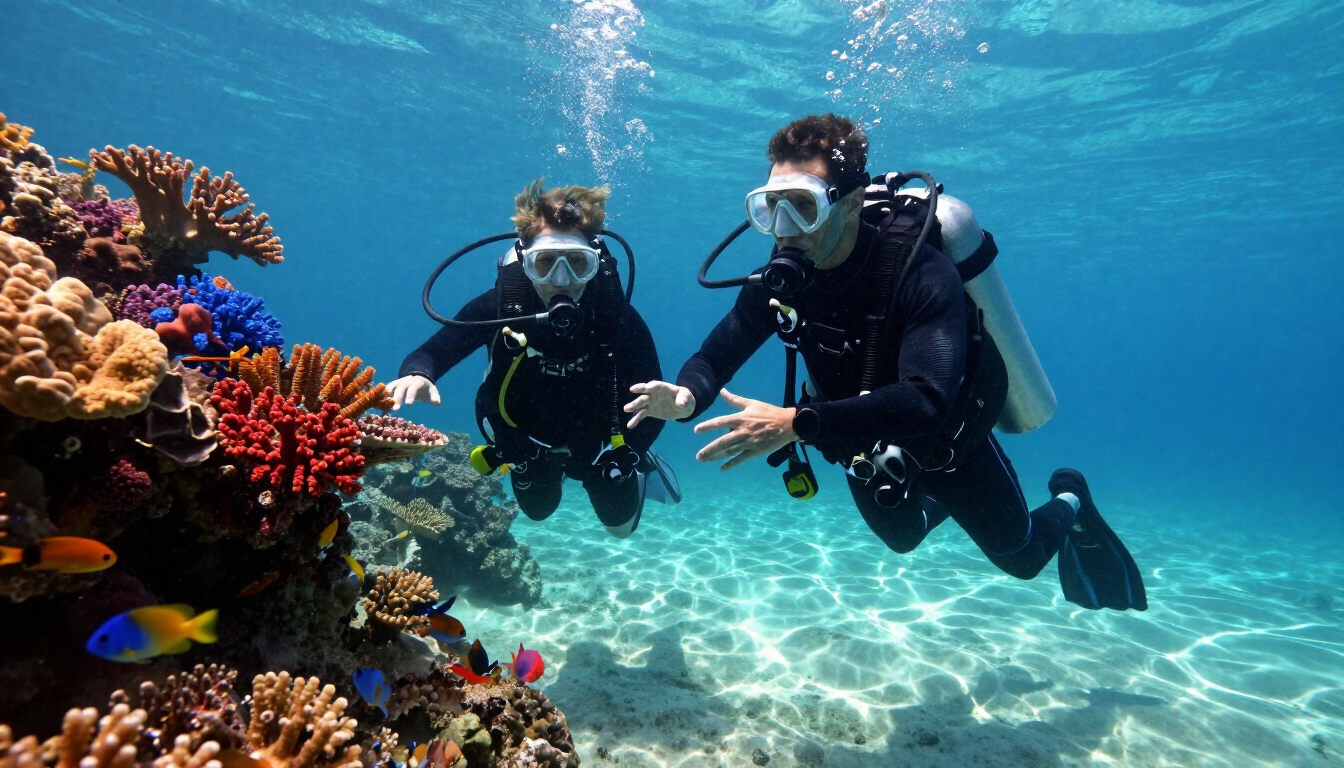
Professional scuba diving instructor and student underwater training session.
June 1, 2026
Learn the core differences between Divemaster and PADI Instructor roles. Explore teaching authority, prerequisites, and professional diving career paths for 2026.
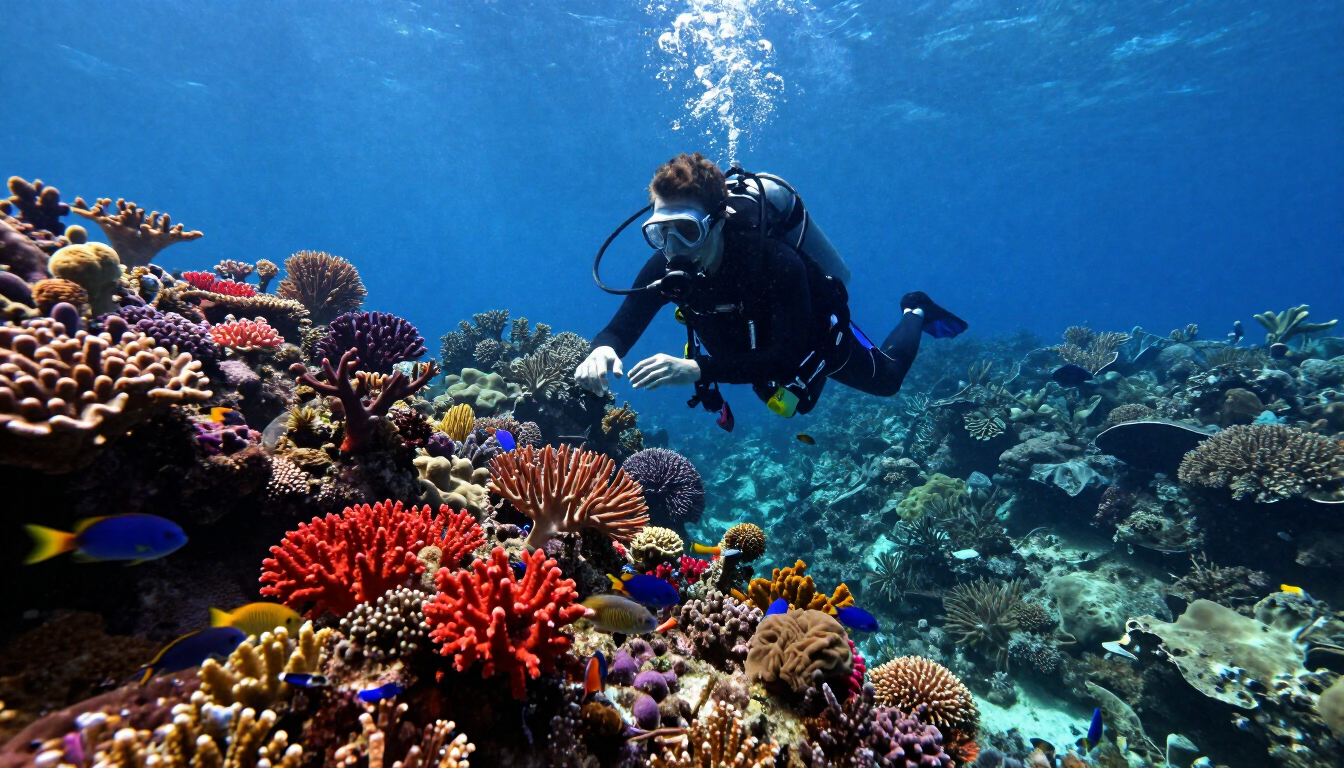
A scuba diver using a compass for underwater navigation near a coral reef.
June 1, 2026
Explore the most popular PADI specialty courses including Deep Diving, Night Diving, and Navigation. Learn how these certifications enhance your skills and underwater safety.
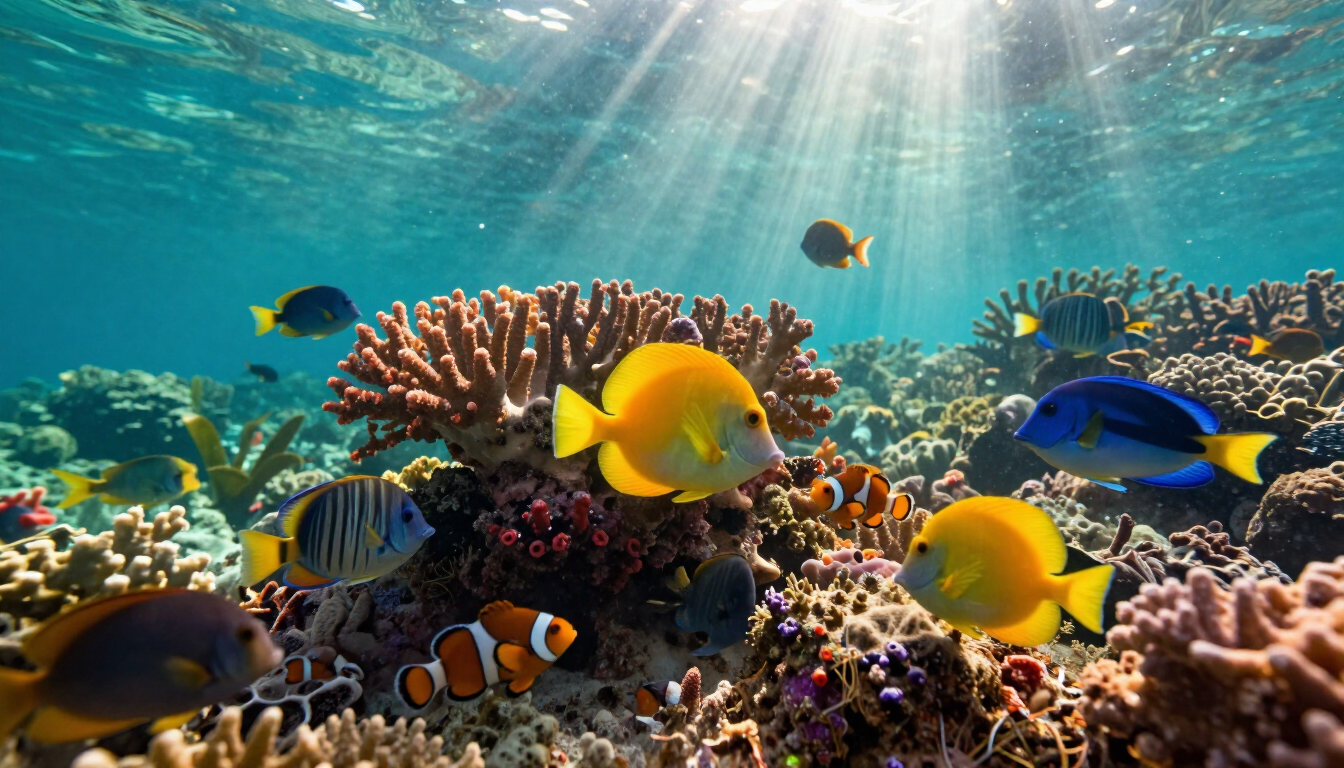
Vibrant coral reef in Sodwana Bay South Africa
June 1, 2026
Complete your NAUI scuba theory in Gauteng and finish your qualifying dives in Sodwana Bay. Learn the benefits of the referral method with Twobar Scuba.
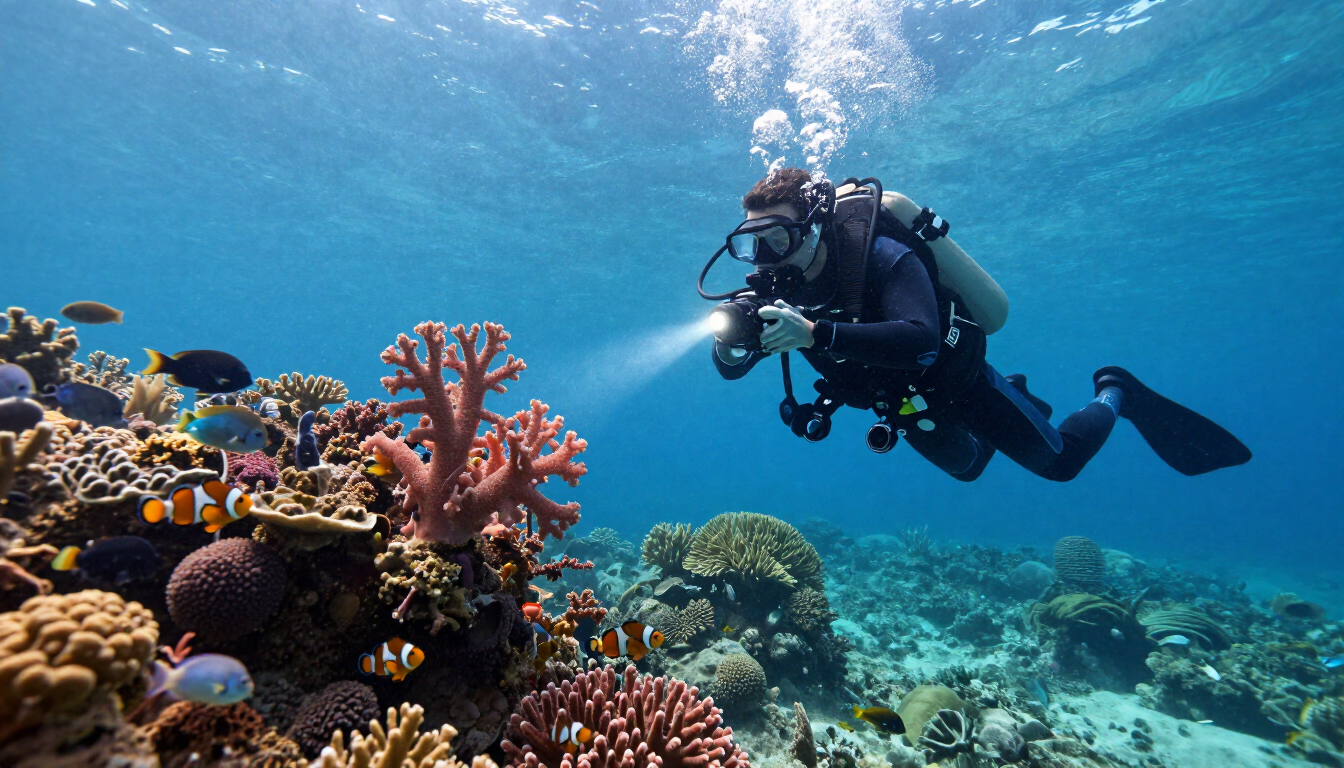
Scuba diver taking photos of coral reef in Sodwana Bay
June 1, 2026
Master underwater photography at Sodwana Bay. Learn essential techniques for stunning marine shots with Twobar Scuba's professional training.
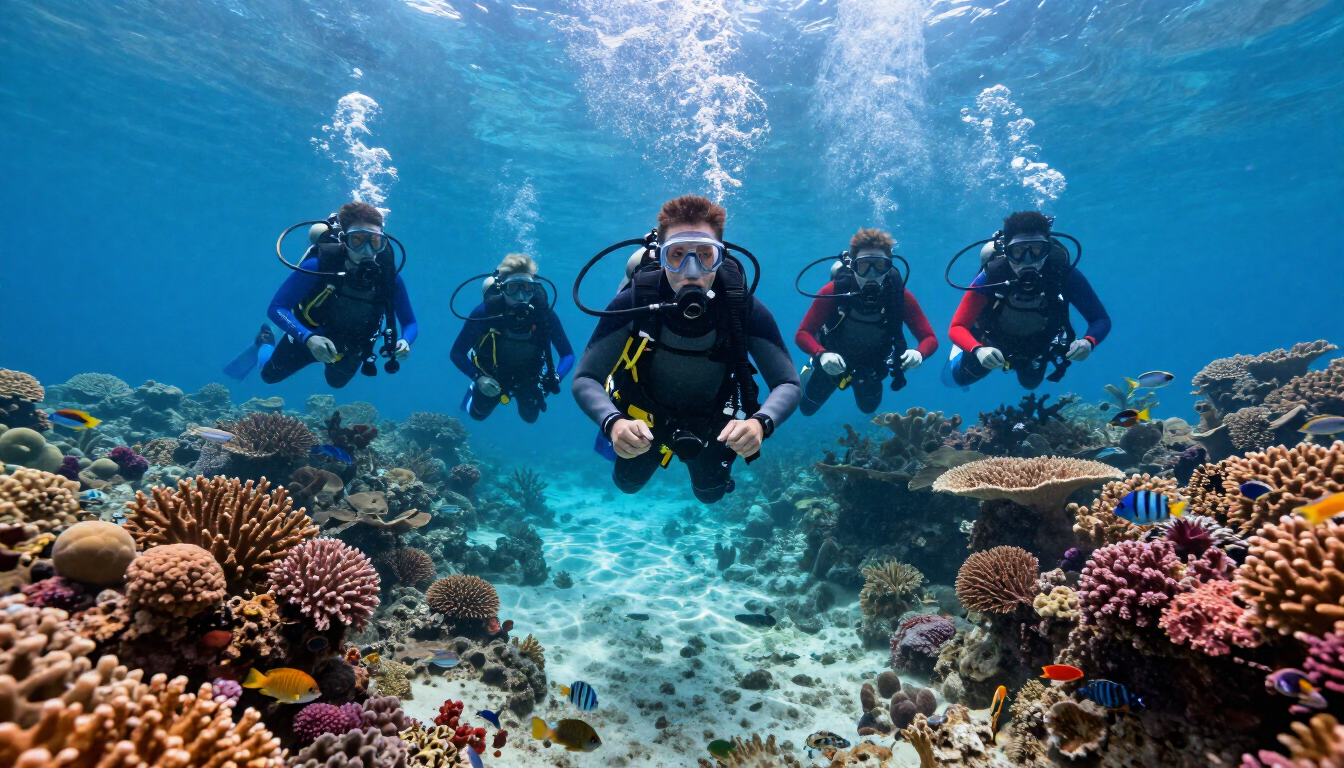
A professional scuba divemaster guiding a group through a vibrant coral reef.
June 1, 2026
Professional Divemaster training at Twobar Scuba. Learn to lead dives in Sodwana Bay and Pretoria with expert NAUI instructors. Start today!
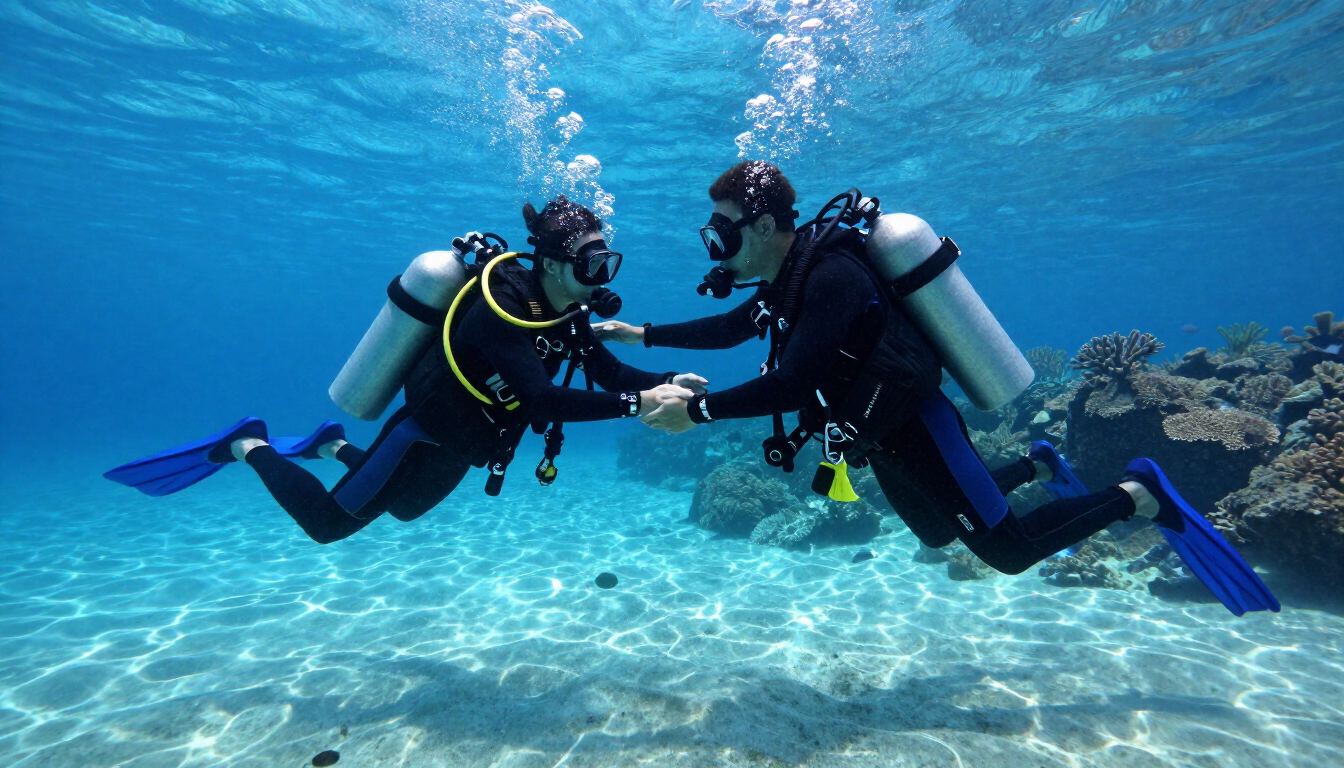
Scuba divers practicing rescue techniques in clear water
June 1, 2026
Explore the Rescue Diver course: what it covers, why it’s the most challenging yet rewarding scuba certification, and how it prepares you for emergencies.
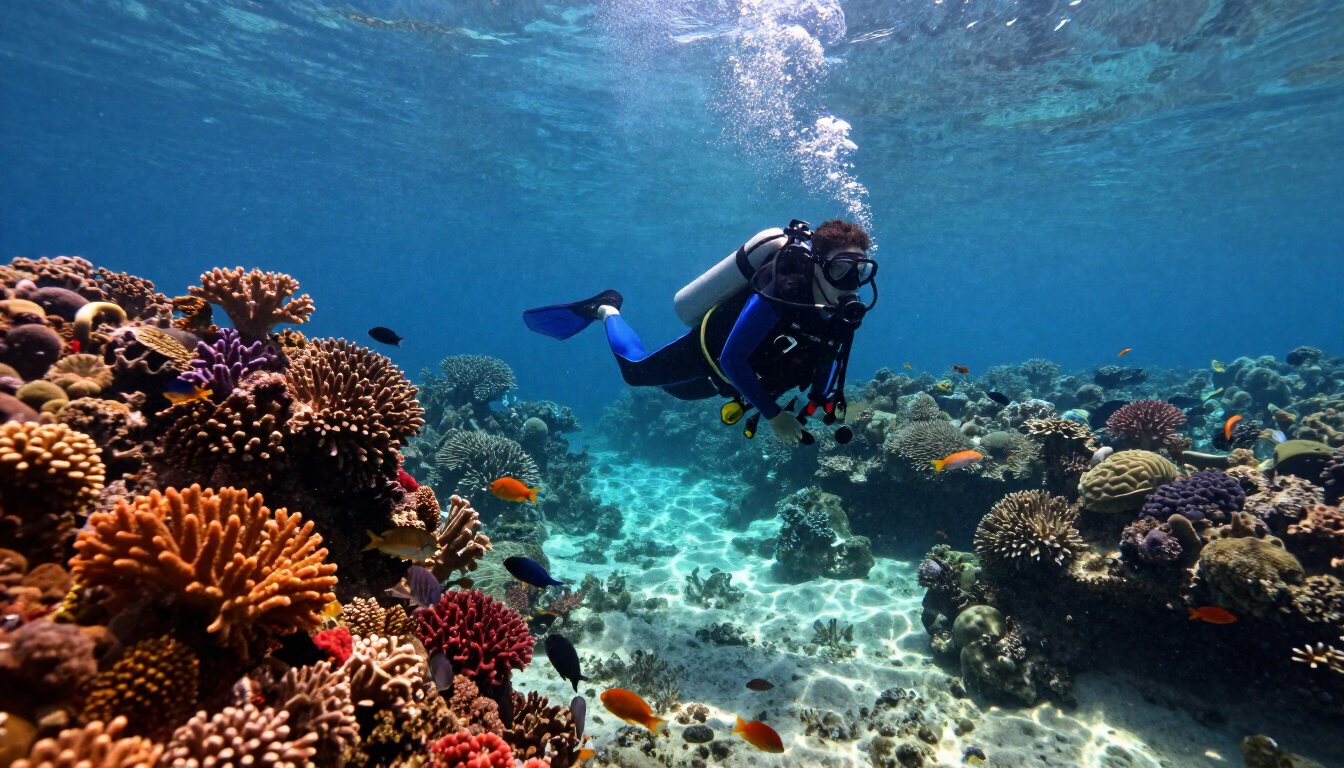
A scuba diver mask underwater with bubbles and blue light.
June 1, 2026
Compare Open Water vs Advanced Open Water certification levels. Discover which course is right for your experience level and how to advance your diving skills at Sodwana Bay.
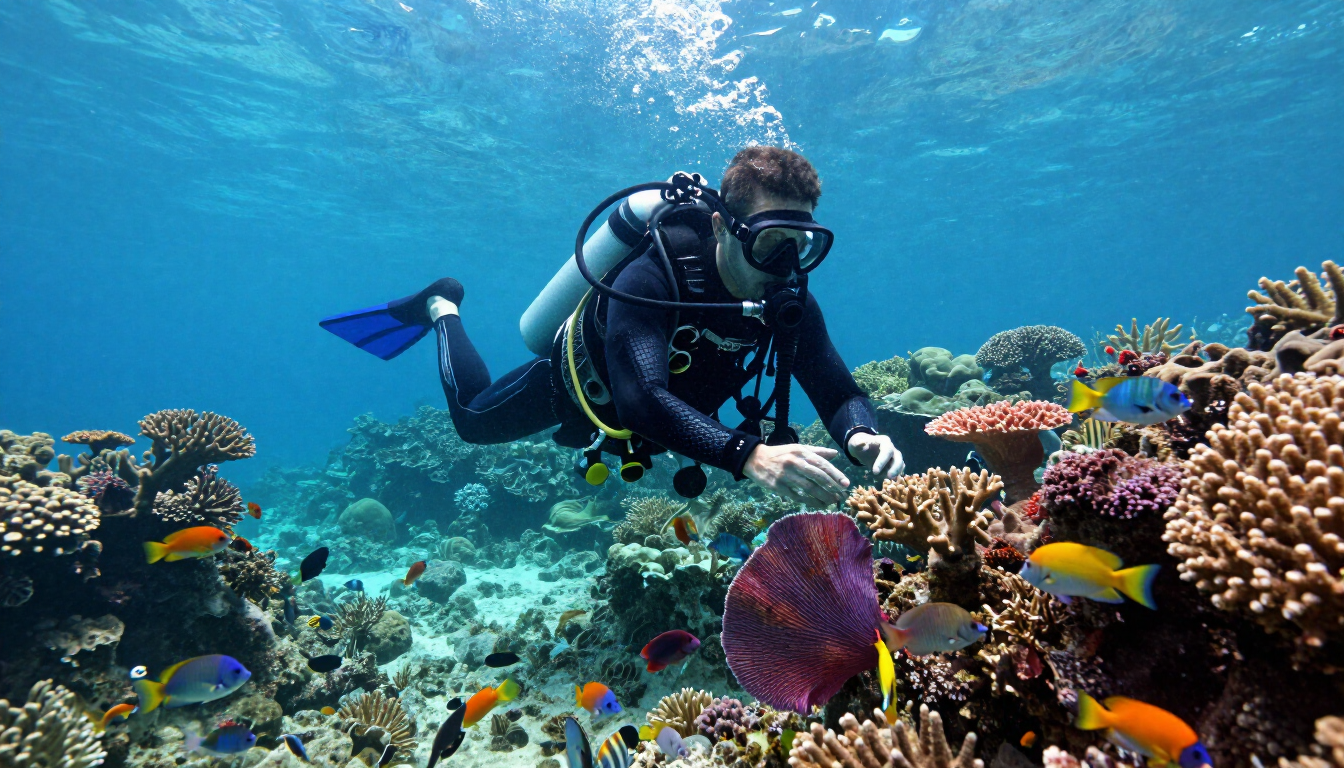
A professional scuba diver exploring a vibrant coral reef.
June 1, 2026
Discover what PADI is and why scuba diving accreditation is vital for your safety. Compare PADI and NAUI standards and find the best dive training in 2026.

Show More