Open Water Diver Certification: Your Guide to Diving

June 1, 2026

Share this article

An Open Water Diver certification is a globally recognized entry-level scuba diving license. It proves you have mastered the essential skills, safety procedures, and equipment knowledge required to dive independently with a buddy. This certification is your passport to exploring underwater environments down to 18 meters (60 feet).

What is an Open Water Diver Certification?

The Open Water Diver certification is the first full level of scuba training that allows you to dive without the constant direct supervision of an instructor. While many beginners start with a "Discovery" or "Intro" dive, those experiences are limited and do not provide a lasting license. Obtaining your Open Water Diver certification means you have successfully completed a comprehensive curriculum designed to make you a safe and competent diver.

At Twobar Scuba, our certification is through NAUI (National Association of Underwater Instructors), one of the most respected training agencies in the world. This diving course ensures that you don't just learn how to use the gear, but you understand the physics and physiology of being underwater. Once you hold this card, it never expires, though we always recommend a refresher if you have been out of the water for a while.

Why do you need a diving license to explore?

You might wonder why you can't just rent gear and jump in. Scuba diving is an equipment-dependent activity that takes place in an environment where humans cannot naturally breathe. Therefore, safety is paramount. A diving license ensures that every diver on a boat or at a reef shares a common language of hand signals, safety protocols, and emergency procedures.

Having a certification provides several key benefits:

  • Access to Equipment: Reputable dive shops will not rent tanks or life-support gear to uncertified individuals.
  • Charter Opportunities: To join dive trips in world-class locations like Sodwana Bay, you must show proof of certification.
  • Safety Mastery: You learn how to manage your air supply and avoid decompression sickness.
  • Global Recognition: Your NAUI card is accepted at dive centers across the planet.
  • Insurance Coverage: Most specialized dive insurance requires the diver to be certified for the depth they are visiting.
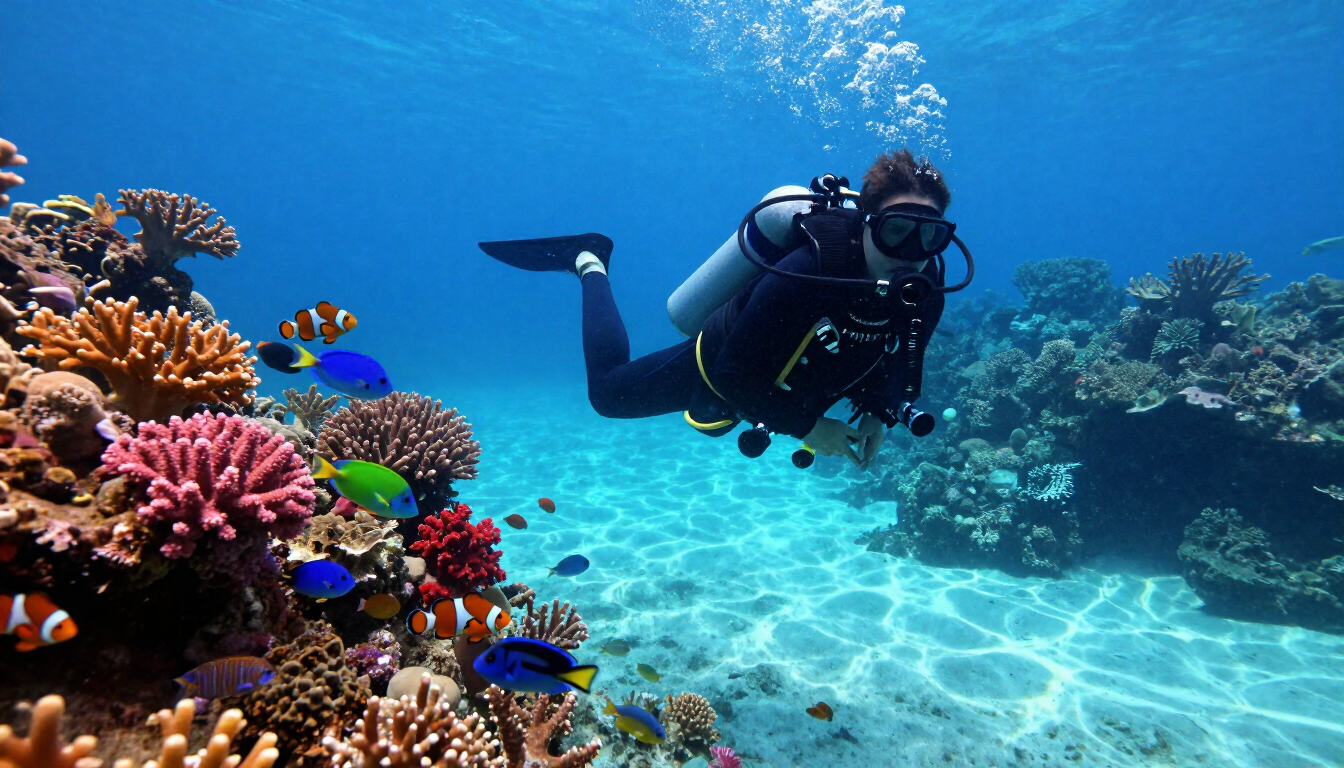
Scuba Diver Exploration

What will you learn in a scuba diving course?

A comprehensive scuba diving course is divided into three distinct phases. Each phase builds upon the last, moving from theoretical knowledge to practical application in controlled environments, and finally to the open ocean. This structured approach ensures that by the time you reach the reef, you feel confident and prepared.

Phase 1: Academic Training

Before you get wet, you need to understand the science of diving. This includes learning about how pressure affects your body, how to calculate your dive time, and how to navigate underwater. Modern training often uses a mix of digital learning, textbooks, and classroom sessions with our experienced instructors in Pretoria.

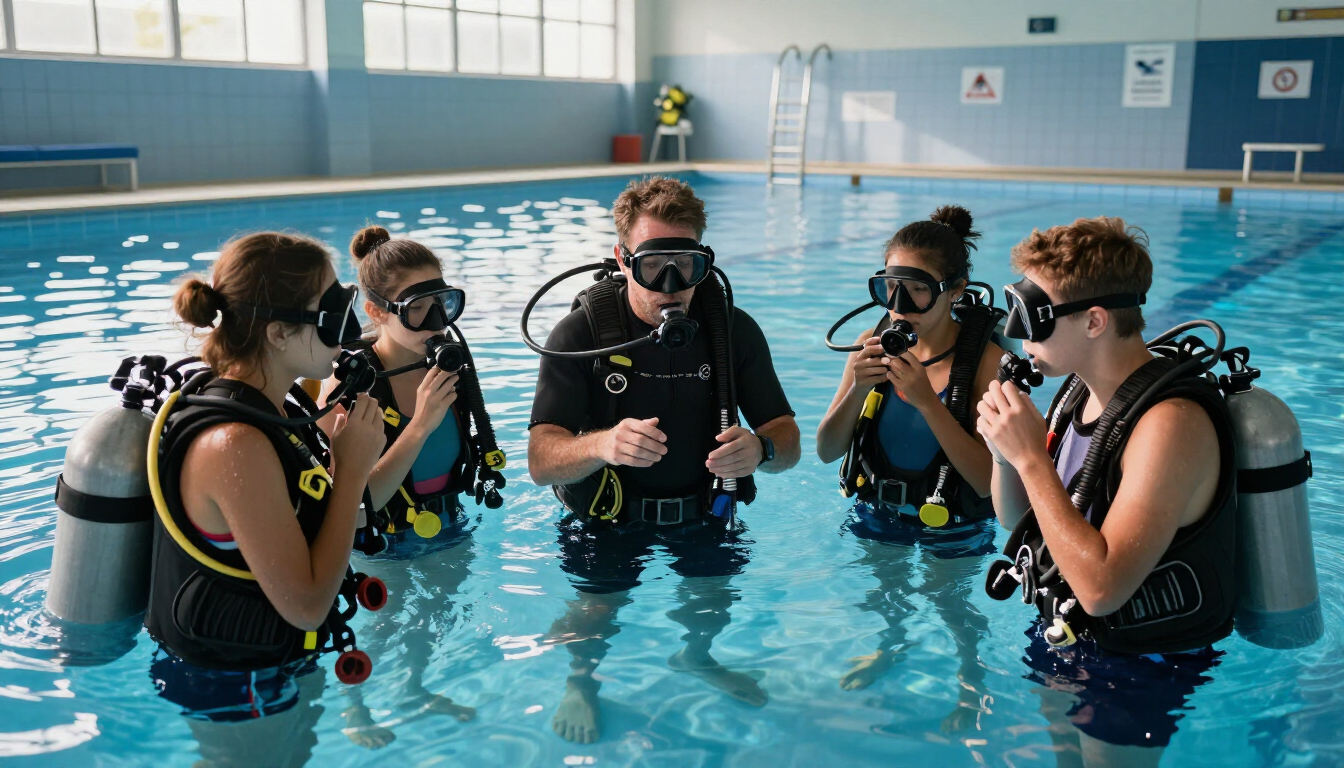
Phase 2: Confined Water (Pool) Sessions

This is where you first breathe underwater. In a safe, shallow pool, you will practice essential skills such as:

  • Clearing water from your mask while submerged.
  • Recovering a "lost" regulator (the piece you breathe through).
  • Mastering buoyancy control to "hover" weightlessly.
  • Practicing emergency air-sharing with a buddy.
  • Properly assembling and disassembling your scuba unit.

Phase 3: Open Water Check-Out Dives

The final step is to complete four or more dives in a natural body of water—typically the ocean. During these dives, you will demonstrate the skills you learned in the pool to your instructor in a real-world setting. This is the most exciting part of the training , as you finally get to see marine life while earning your license.

The three core phases of your scuba training

To ensure every student becomes a confident diver, Twobar Scuba emphasizes the "Comfort through Repetition" philosophy. We don't just want you to do a skill once; we want it to become second nature. Our instructors in Pretoria and Sodwana Bay are dedicated to giving you the time you need to feel fully at ease before moving to the next step.

Learning to dive is not just about passing a test; it is about joining a community of ocean lovers. Our Gallery shows the many students who have started their journey with us and gone on to explore the deep. Whether you are looking for a new hobby or a total lifestyle change, the Open Water Diver certification is the foundation of it all.

Diver Training Pool

Training with Twobar Scuba in Pretoria and Sodwana

Twobar Scuba offers a unique training model that fits into your busy life while providing the best possible environment for your final check-out dives. Many of our students begin their theory and pool sessions at our training center in Pretoria. This allows you to learn the basics in a low-pressure environment close to home.

Once the pool work is complete, the real adventure begins. We operate as a premier scuba dive charter in Sodwana Bay, South Africa. Sodwana is world-renowned for its pristine coral reefs and incredible biodiversity. Completing your Open Water Diver certification here means your very first "official" dives will be among sea turtles, rays, and hundreds of species of tropical fish.

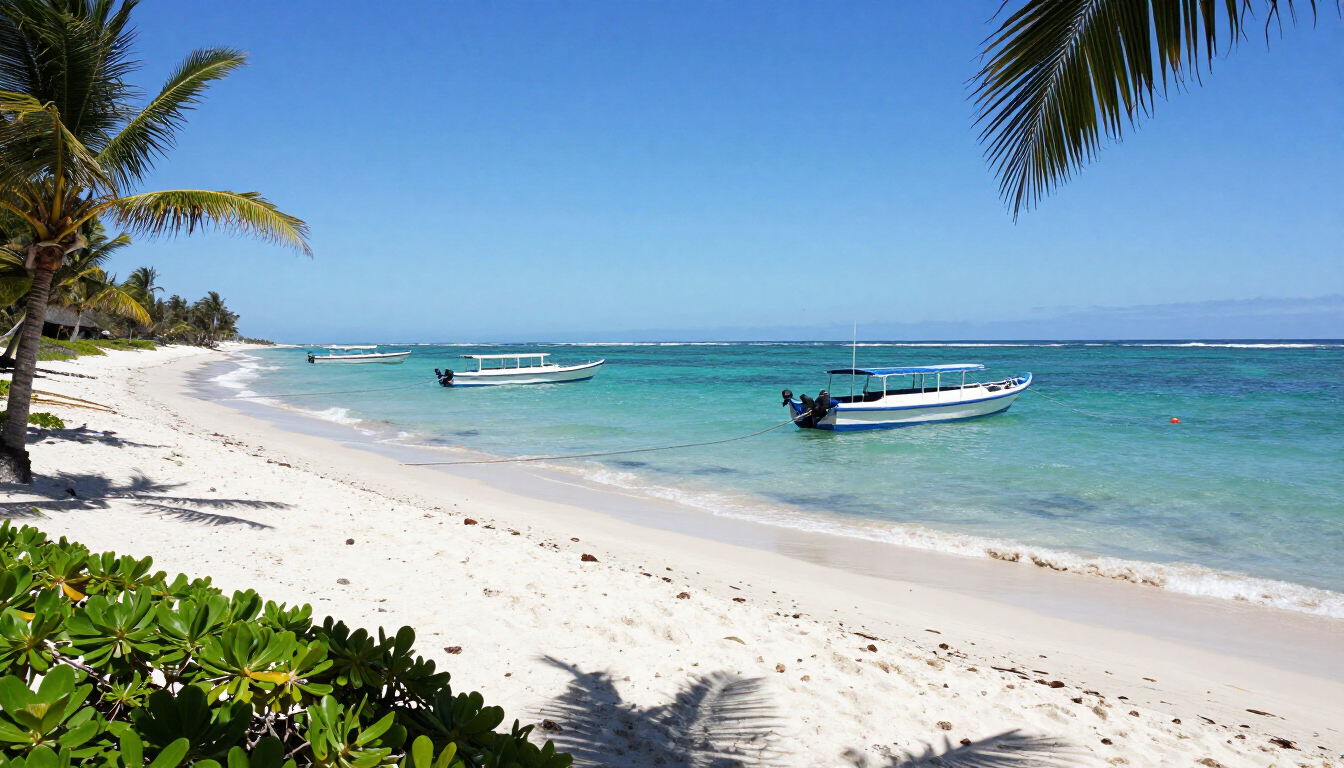
Scuba diving adventures in Sodwana Bay

Why choose Sodwana Bay for your certification? Unlike many other locations, Sodwana offers year-round diving with warm water and excellent visibility. The reefs are located within a protected marine area, ensuring that the underwater landscape remains vibrant and healthy.

When you dive with Twobar Scuba, you are diving with a team that has been operating since 1999. Our knowledge of the local reefs, like 2-Mile Reef and 5-Mile Reef, is unmatched. We plan every dive based on the group's qualification level, ensuring that your first open-water experiences are safe, manageable, and breathtakingly beautiful. For those who need special accommodations, our facilities are designed to be inclusive, ensuring everyone has the chance to book a session .

How long does it take to get certified?

The duration of an Open Water Diver certification can vary, but most students complete the course in 3 to 5 days of active training.

  1. Home Study: 5–10 hours of reading and video materials.
  2. Classroom & Pool: Typically 1–2 full days or several evening sessions.
  3. Open Water Dives: Usually completed over 2 days (two dives per day).

This schedule is flexible. At Twobar Scuba, we prioritize quality over speed. If you need an extra session in the pool to feel comfortable, we are here to help. Safety and confidence are the most important outcomes of any diving course .

Sodwana Bay Reef

Essential takeaways for your diving journey

Becoming a certified diver is one of the most rewarding challenges you can undertake. It changes the way you see the world—literally. Here are the key things to remember as you prepare to start your Open Water Diver certification:

  • It’s Accessible: You don't need to be an Olympic swimmer; you just need to be comfortable in the water.
  • It’s a License for Life: Once certified, your NAUI card is valid forever.
  • Safety First: The course is designed to manage risks and build your confidence.
  • Choose the Best: Training with an accredited NAUI centre like Twobar Scuba ensures high standards.
  • Adventure Awaits: Your certification is the first step toward advanced specialties like wreck diving or photography.

Ready to take the plunge? Contact Us today to learn more about our upcoming course dates in Pretoria and Sodwana Bay. Whether you're a beginner or looking to advance your skills, our team is dedicated to helping you develop the confidence to explore the blue. Join Twobar Scuba and discover a whole new world beneath the tide.

Recent Posts

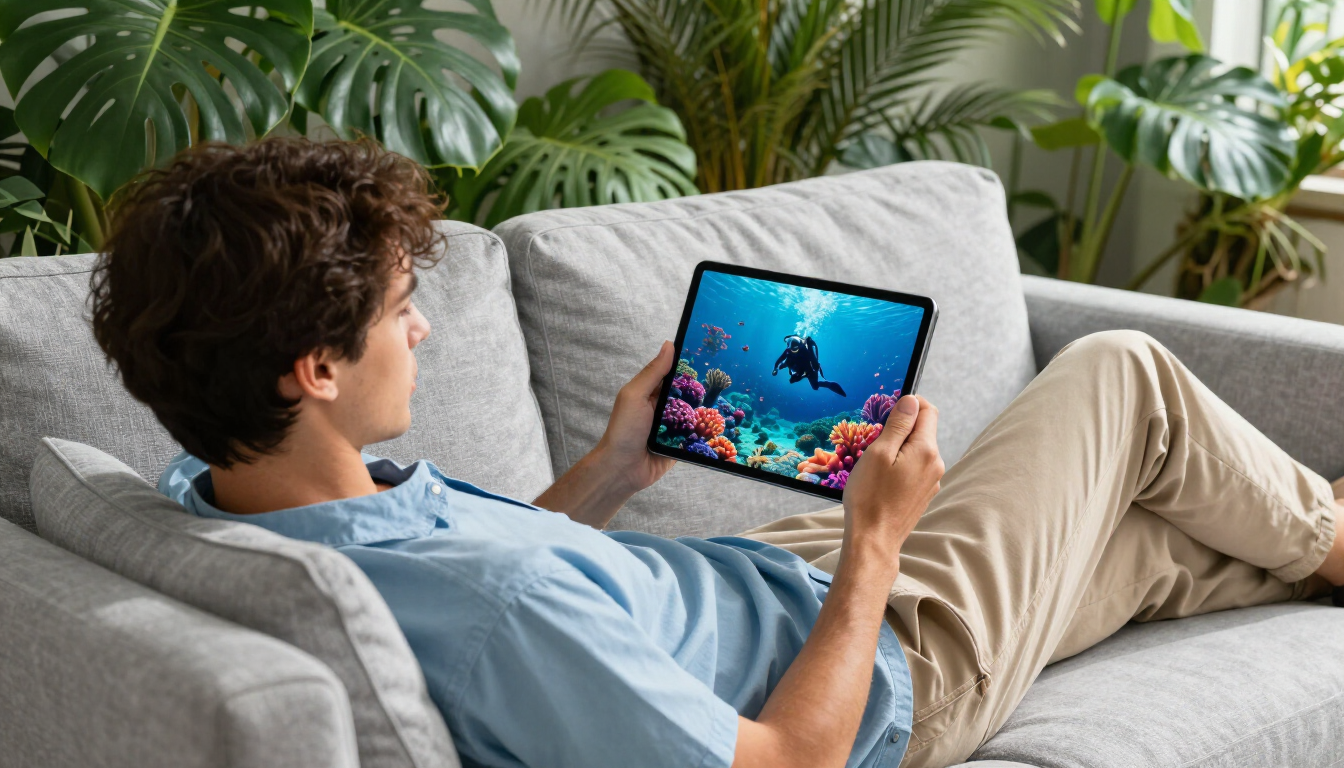
Student using PADI eLearning on a tablet at home.
June 1, 2026
Discover how PADI eLearning works. Learn to scuba dive at your own pace with online theory before you hit the water with Twobar Scuba in Sodwana Bay.
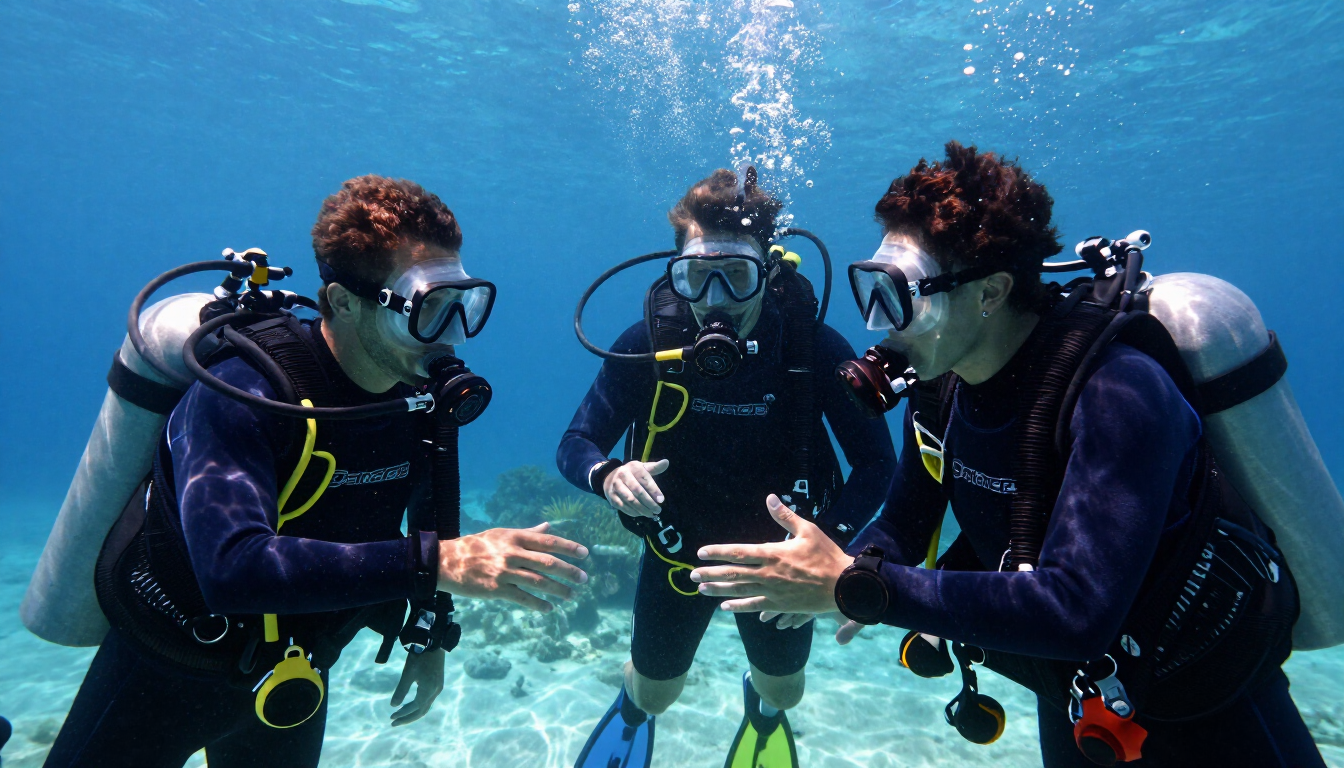
A scuba instructor guiding a small group of students underwater in a clear training environment.
June 1, 2026
Discover why small scuba class sizes are essential for safety, skill mastery, and confidence. Learn how Twobar Scuba's personalized training helps you excel in your certification.
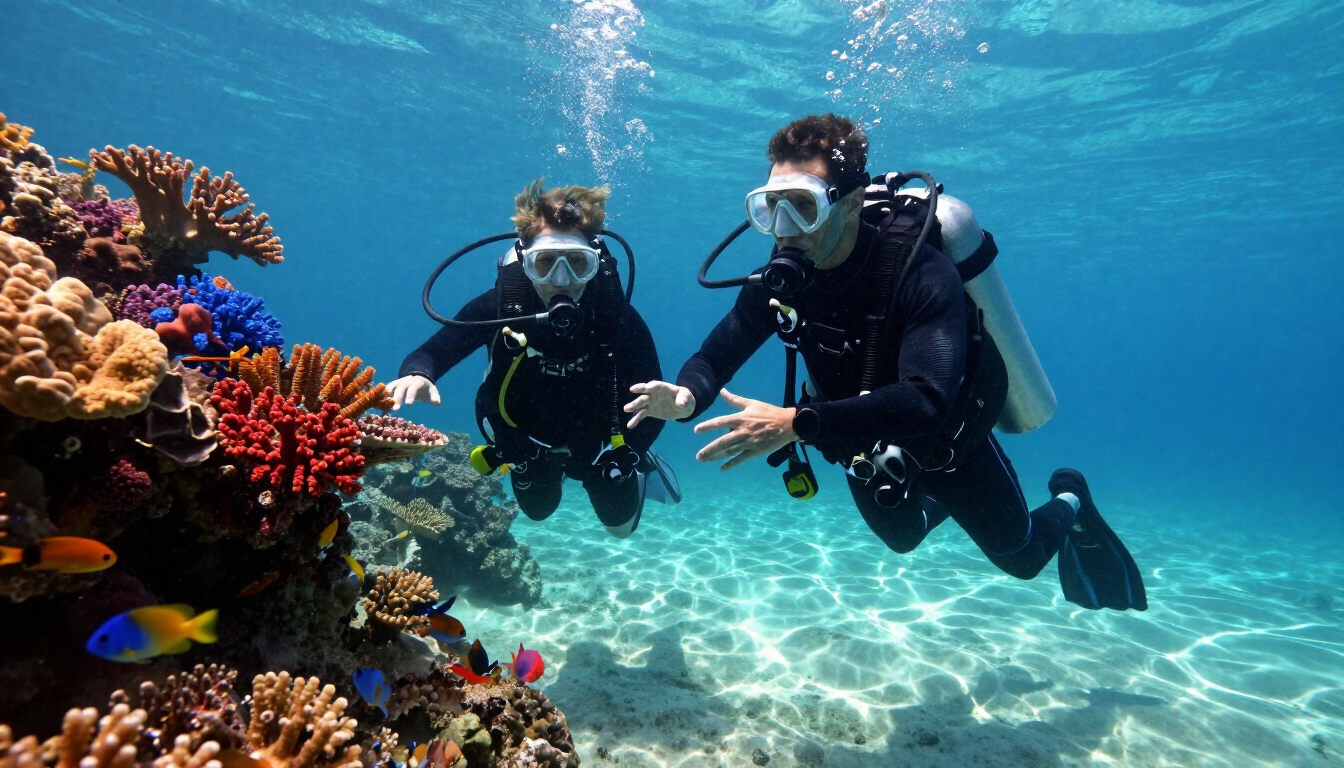
Professional scuba diving instructor and student underwater training session.
June 1, 2026
Learn the core differences between Divemaster and PADI Instructor roles. Explore teaching authority, prerequisites, and professional diving career paths for 2026.
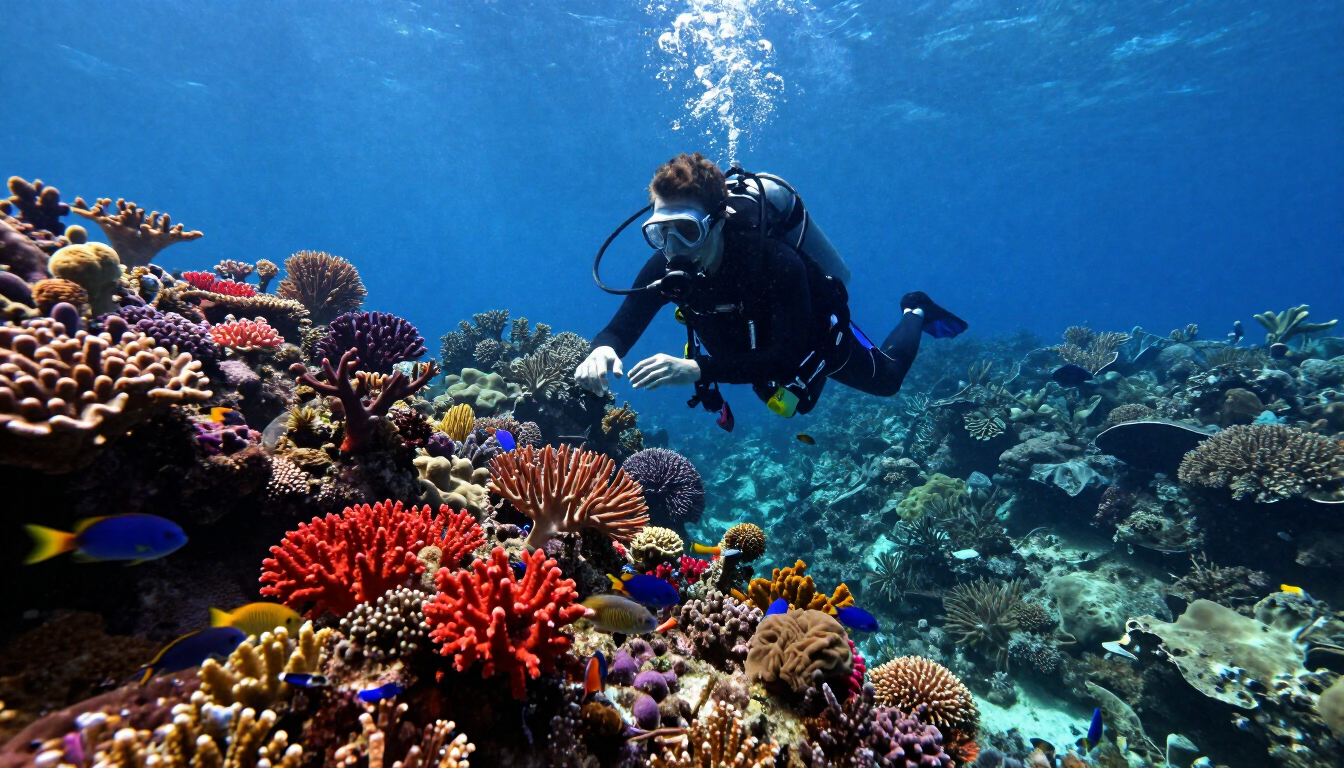
A scuba diver using a compass for underwater navigation near a coral reef.
June 1, 2026
Explore the most popular PADI specialty courses including Deep Diving, Night Diving, and Navigation. Learn how these certifications enhance your skills and underwater safety.
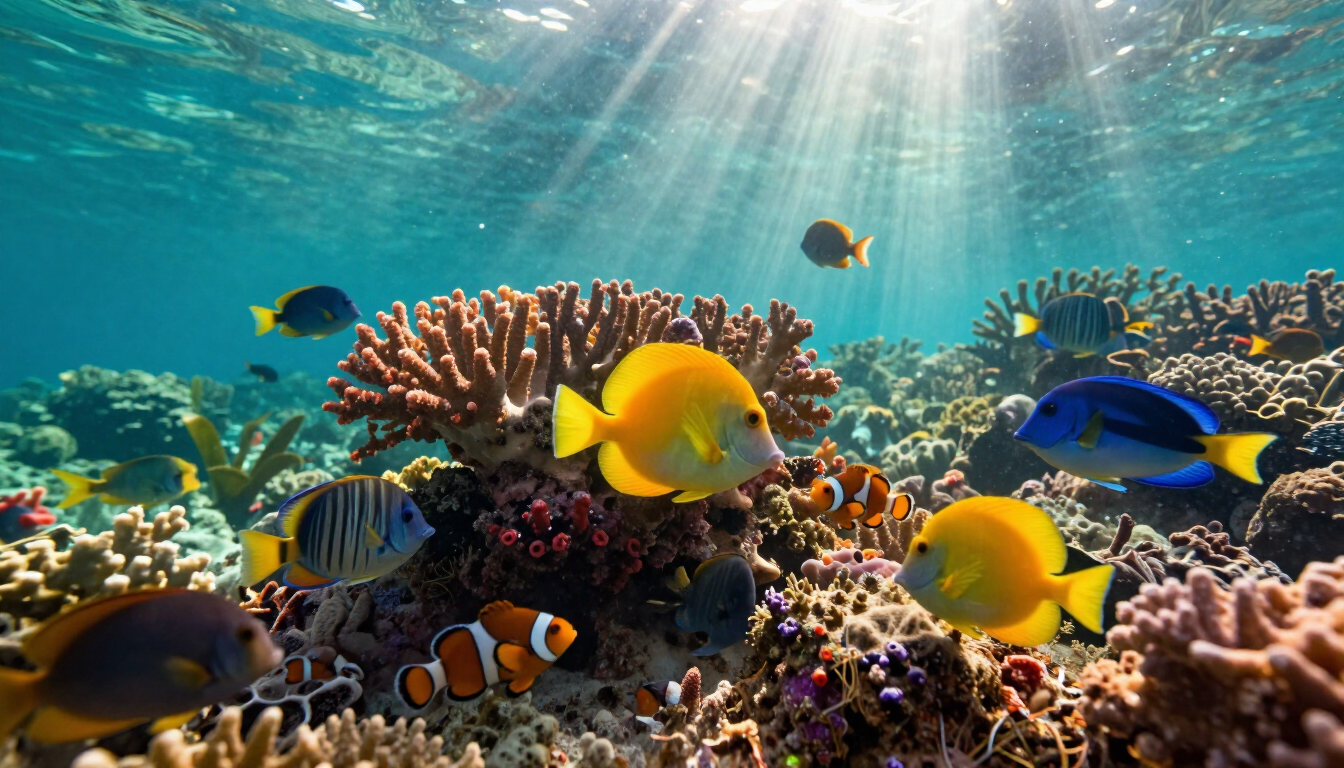
Vibrant coral reef in Sodwana Bay South Africa
June 1, 2026
Complete your NAUI scuba theory in Gauteng and finish your qualifying dives in Sodwana Bay. Learn the benefits of the referral method with Twobar Scuba.
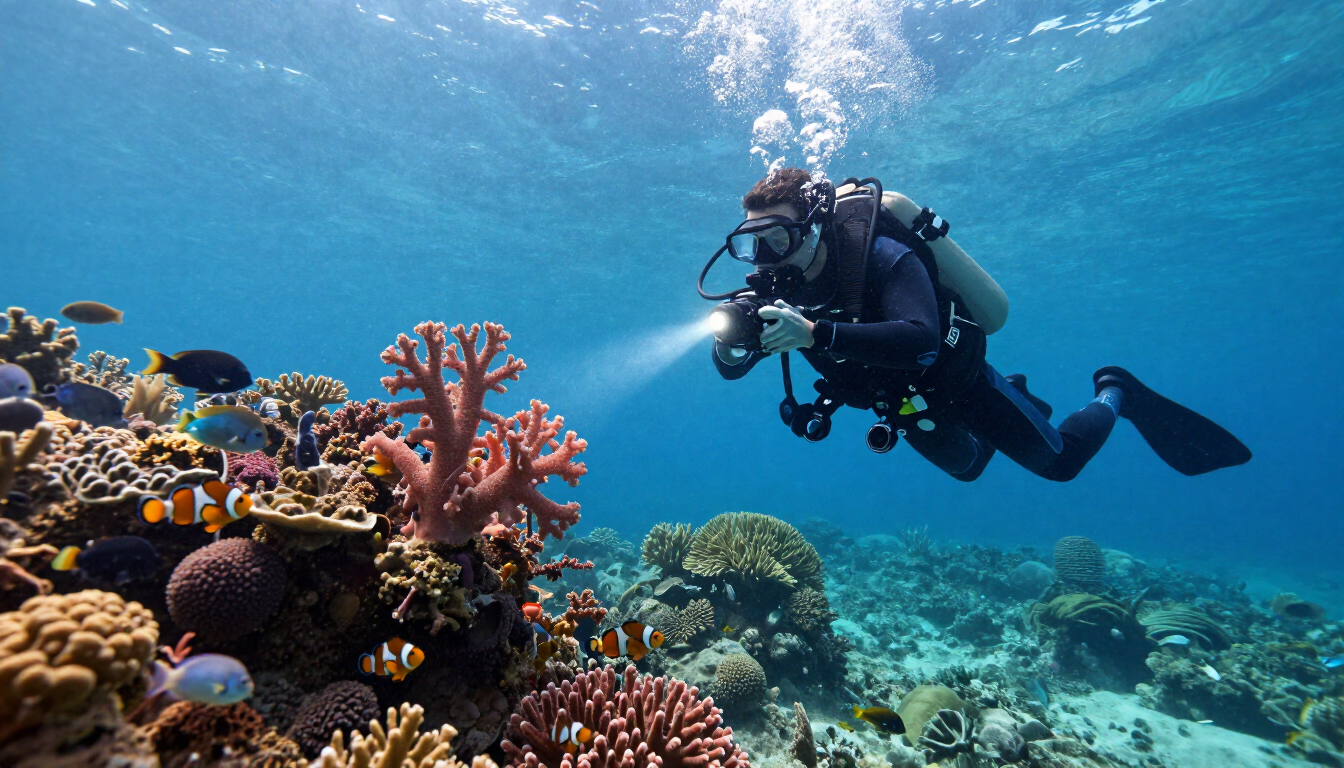
Scuba diver taking photos of coral reef in Sodwana Bay
June 1, 2026
Master underwater photography at Sodwana Bay. Learn essential techniques for stunning marine shots with Twobar Scuba's professional training.
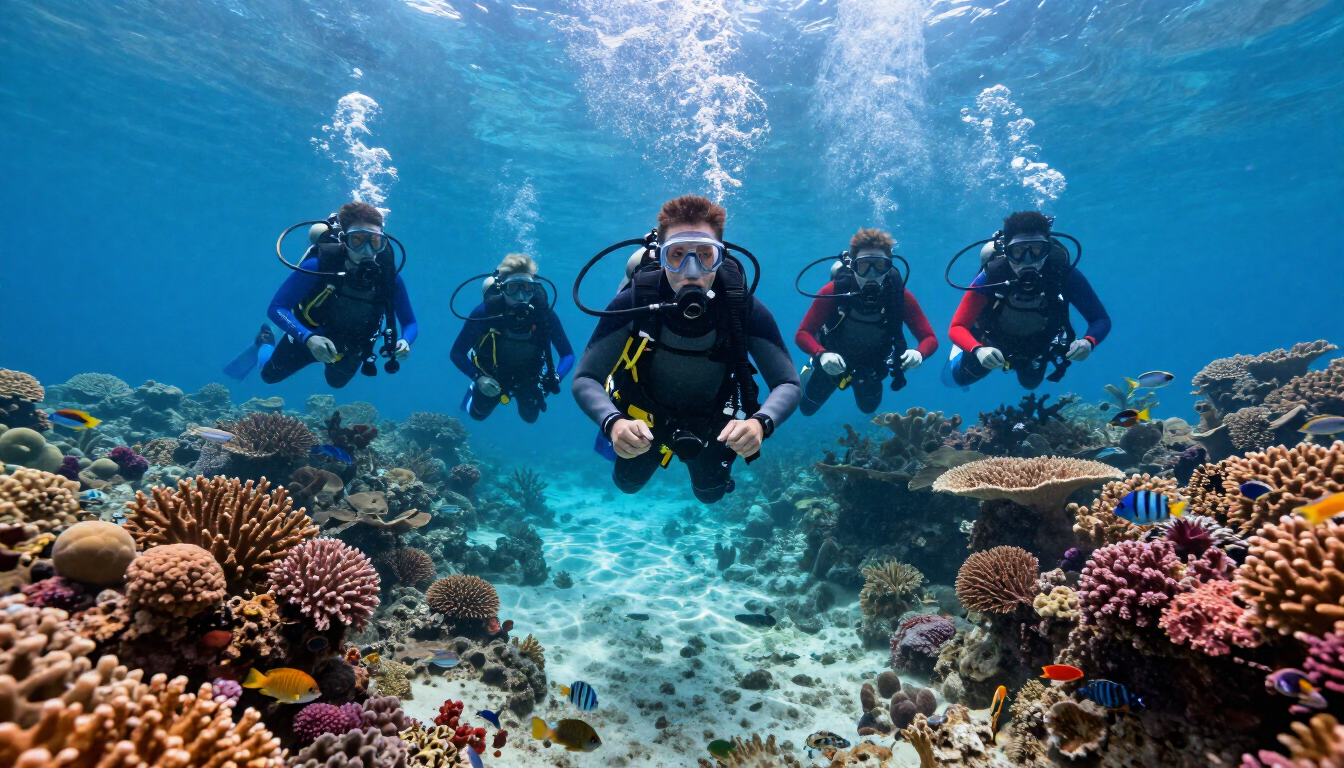
A professional scuba divemaster guiding a group through a vibrant coral reef.
June 1, 2026
Professional Divemaster training at Twobar Scuba. Learn to lead dives in Sodwana Bay and Pretoria with expert NAUI instructors. Start today!
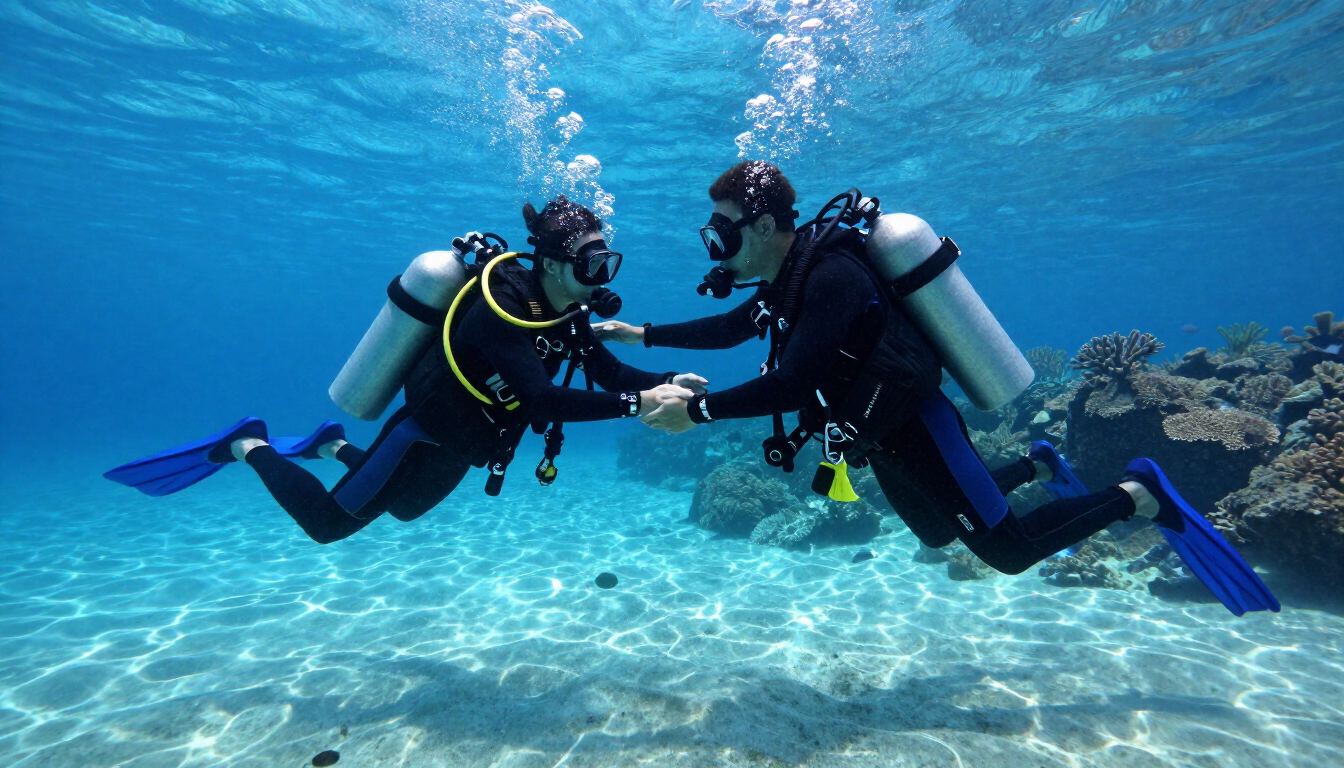
Scuba divers practicing rescue techniques in clear water
June 1, 2026
Explore the Rescue Diver course: what it covers, why it’s the most challenging yet rewarding scuba certification, and how it prepares you for emergencies.
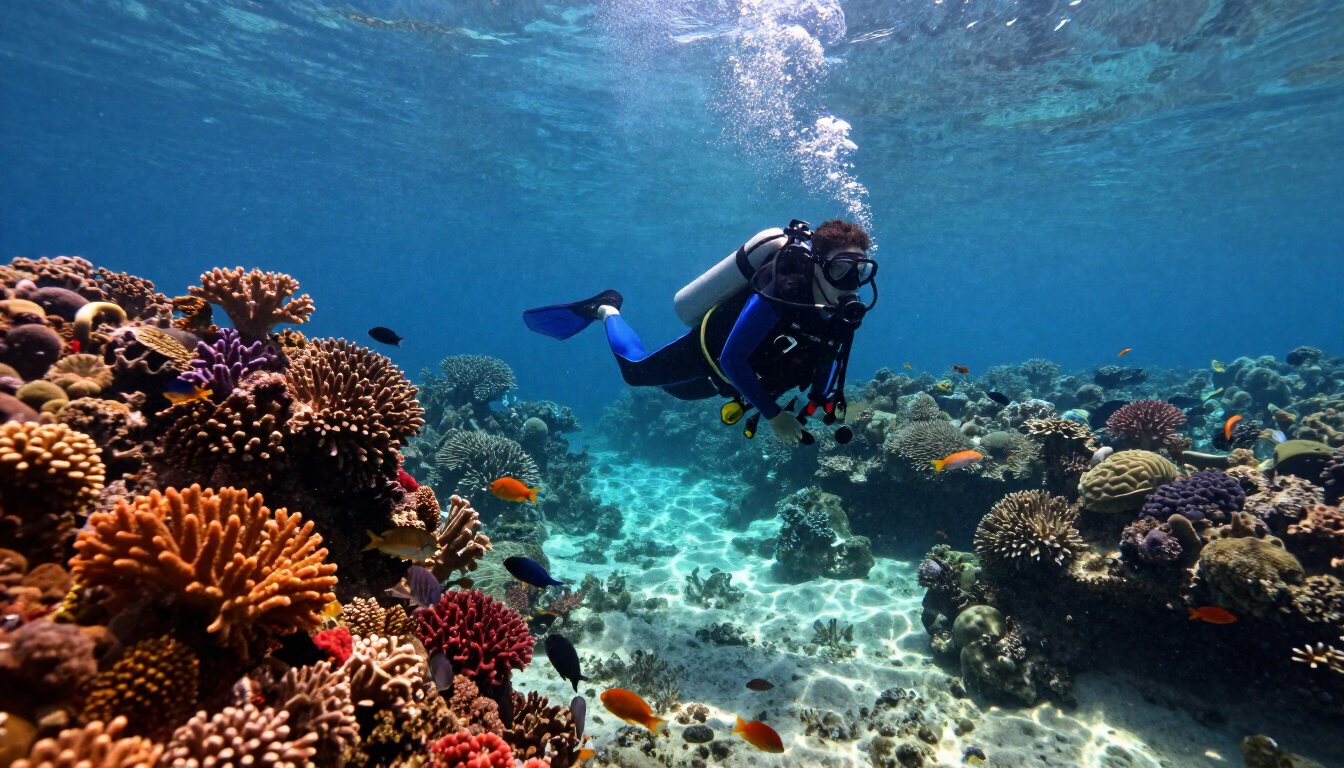
A scuba diver mask underwater with bubbles and blue light.
June 1, 2026
Compare Open Water vs Advanced Open Water certification levels. Discover which course is right for your experience level and how to advance your diving skills at Sodwana Bay.
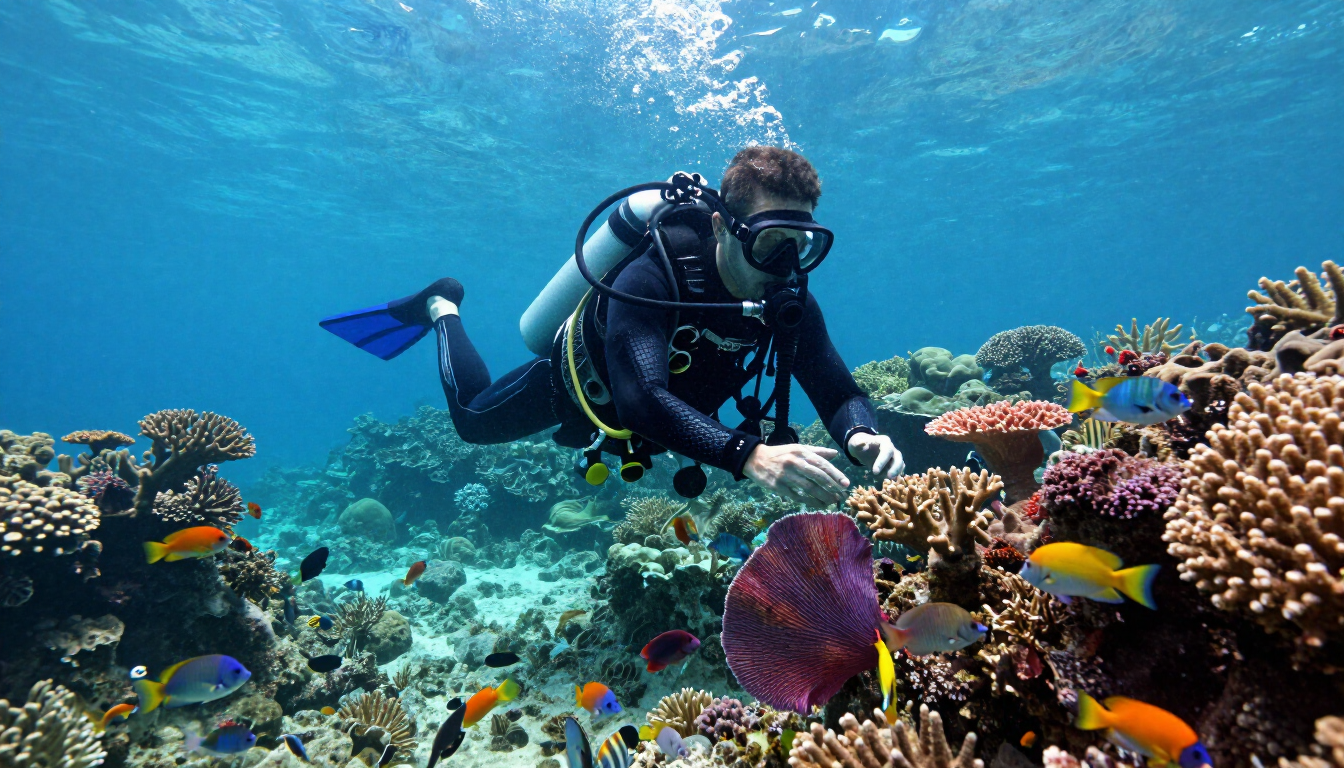
A professional scuba diver exploring a vibrant coral reef.
June 1, 2026
Discover what PADI is and why scuba diving accreditation is vital for your safety. Compare PADI and NAUI standards and find the best dive training in 2026.

Show More