First Breath Underwater: A Beginner’s Try Dive Guide

June 1, 2026

Share this article

Taking your first breath underwater during a try dive is a transformative experience involving breathing through a specialized regulator in a controlled environment. You will learn basic safety skills, get comfortable with the gear, and explore the weightless sensation of the ocean under professional supervision from certified instructors.

What does your first breath underwater actually feel like?

For most people, the experience of the first breath underwater is a mixture of surrealism and pure adrenaline. In our everyday lives, our brains are hardwired to believe that being submerged in water means we must hold our breath. Overcoming that biological instinct for the first time is one of the most rewarding psychological hurdles you will ever face. When you submerge and take that first conscious inhale, there is a distinct sound—the rhythmic hiss of the air flowing through the regulator, followed by the soothing, mechanical 'whoosh' as you exhale and bubbles dance past your ears.

Technically, the air you breathe is dry, compressed air from a scuba cylinder. It feels cool and clean. Initially, you might find yourself breathing a bit faster than usual due to excitement. However, as you realize that the equipment is providing all the oxygen you need, your heart rate slows, and you begin to settle into a meditative rhythm. This rhythm is the heartbeat of scuba diving; it is what allows you to transition from being a visitor to being a part of the underwater environment. At Twobar Scuba, we emphasize this moment because it is the exact second a student transforms into a diver.

Preparing for your Scuba Discovery Session

Before you even touch the water, preparation is key to ensuring a safe and enjoyable experience. Whether you are visiting our Training center in Pretoria or joining us for Diving in Sodwana , the process starts with a comprehensive briefing. This session isn't just about the rules; it’s about building your confidence. We cover the basic physics of diving in a way that is easy to understand, explaining how the regulator works and how to move your body efficiently in a medium that is 800 times denser than air.

Preparation also involves a few essential steps:

  • Medical History Review: Ensuring you are physically fit to dive.
  • Equipment Familiarization: Learning what each hose and button does.
  • Basic Skill Overview: Understanding how to clear your mask and regain your regulator.
  • Equalization Techniques: Learning how to protect your ears from pressure changes.
  • Communication: Mastering the hand signals used to talk underwater.
Beginner Scuba Training

How deep do you go on a first-time dive?

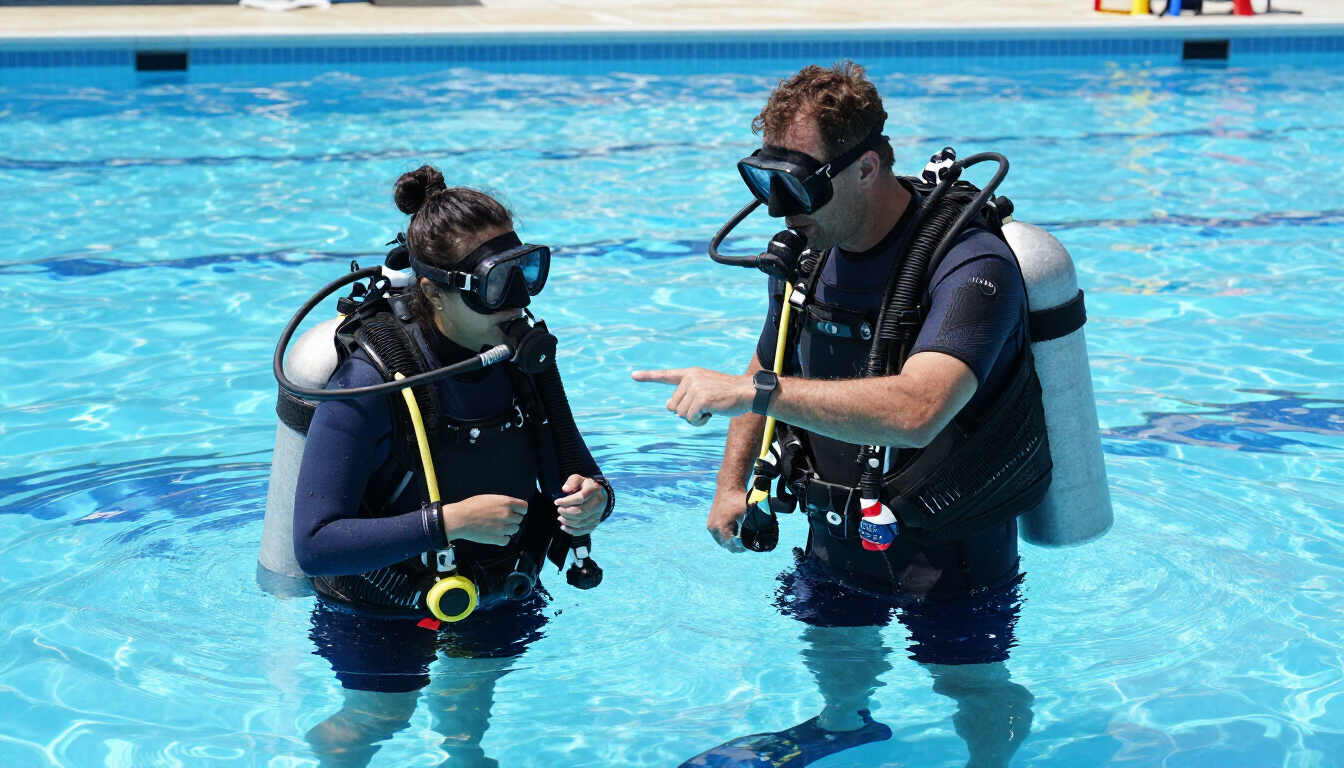
Many beginners worry about going too deep too soon. In a NAUI-accredited Scuba Discovery or Try Dive session, safety is the primary constraint. Typically, your experience begins in a shallow swimming pool or a confined water area where you can simply stand up if you feel uncomfortable. This allows you to practice that first breath underwater in a place where the surface is only a few inches away. This phase is crucial for building muscle memory and calming any initial nerves.

Once you are comfortable in the shallow water, we may move to an open water environment. For a first-time diver, the maximum depth is usually limited to between 5 and 12 meters (roughly 15 to 40 feet). At this depth, there is still plenty of natural sunlight, which makes the colors of the reef pop and keeps the water temperature comfortable. This range is the 'sweet spot' for beginners—deep enough to feel the thrill of exploration and see incredible marine life, but shallow enough to stay well within safety margins and enjoy long bottom times. At Twobar Scuba, we tailor the depth to your specific comfort level and qualifications.

Essential Gear for Your Try Dive

To make your underwater journey possible, you need a life-support system that is both reliable and comfortable. We provide all the top-notch gear you need to ensure your focus remains on the beauty of the reef rather than the equipment. Here are the five primary components you will use:

  1. The Regulator: The mouthpiece that delivers air from your tank at the exact pressure you need.
  2. The BCD (Buoyancy Control Device): A jacket that you can inflate or deflate to stay weightless.
  3. The Mask: Your window to the world, specially designed to handle pressure and provide clarity.
  4. Fins: These turn your leg muscles into powerful propellers, allowing you to glide effortlessly.
  5. The Wetsuit: Essential for thermal protection, keeping you warm so you can dive longer.

Is scuba diving difficult for beginners?

The short answer is no, but it does require a willingness to learn and adapt. The most 'difficult' part of scuba diving is often just the initial mental adjustment. Once you trust your equipment and realize that you can indeed breathe normally, the rest is mostly about relaxation. Buoyancy—the art of hovering in the water column without sinking or floating—is the skill that takes the most practice. Initially, you might find yourself flailing a bit with your arms, but your instructor will guide you to use your breath and your fins instead.

At Twobar Scuba, we pride ourselves on being a supportive environment. Our Dive Masters and Instructors have extensive experience and understand that everyone learns at a different pace. We offer wheelchair-friendly facilities and inclusive training because we believe the ocean should be accessible to everyone. If you can breathe and kick your legs (or use your arms), you can learn to dive. The technical aspects are taught in bite-sized, manageable steps that build upon each other until you feel like a natural. To get started, you can Book your introductory session today.

Why Sodwana Bay is the ultimate place for your first dive

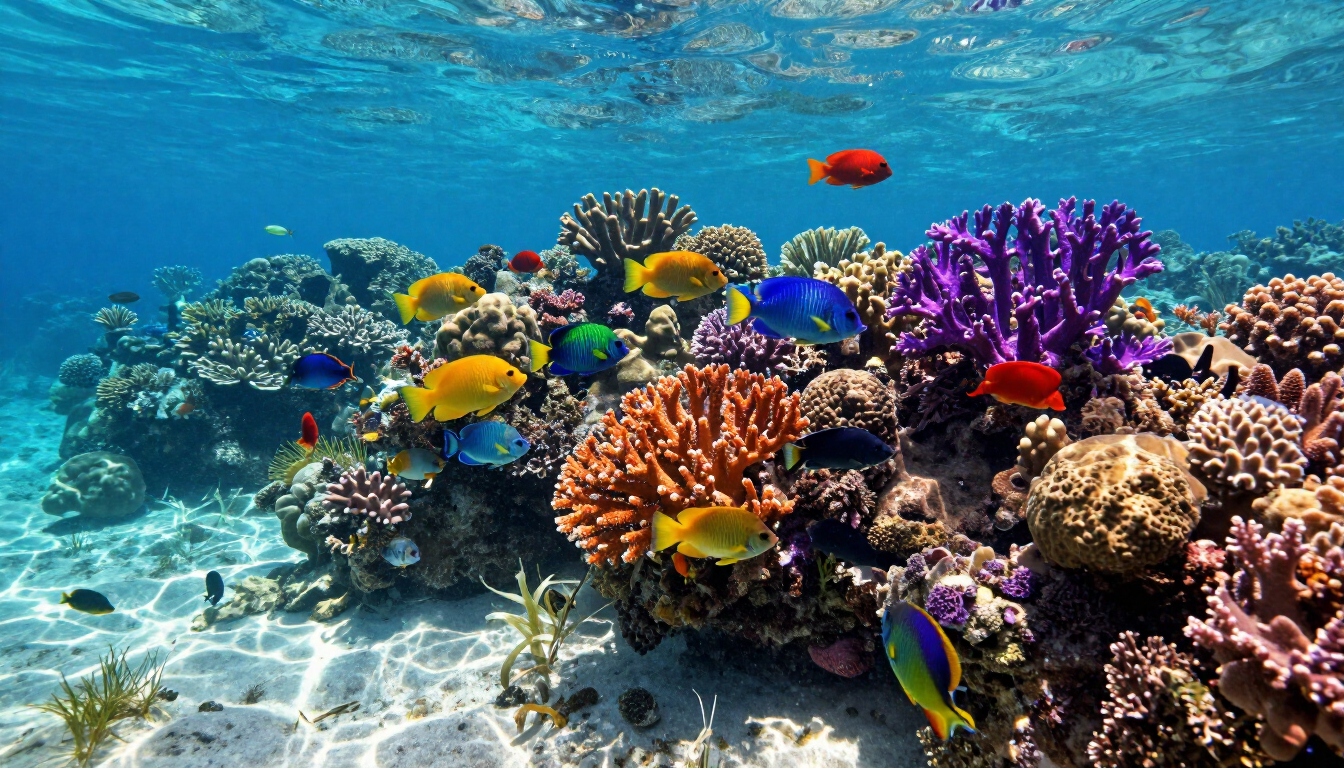
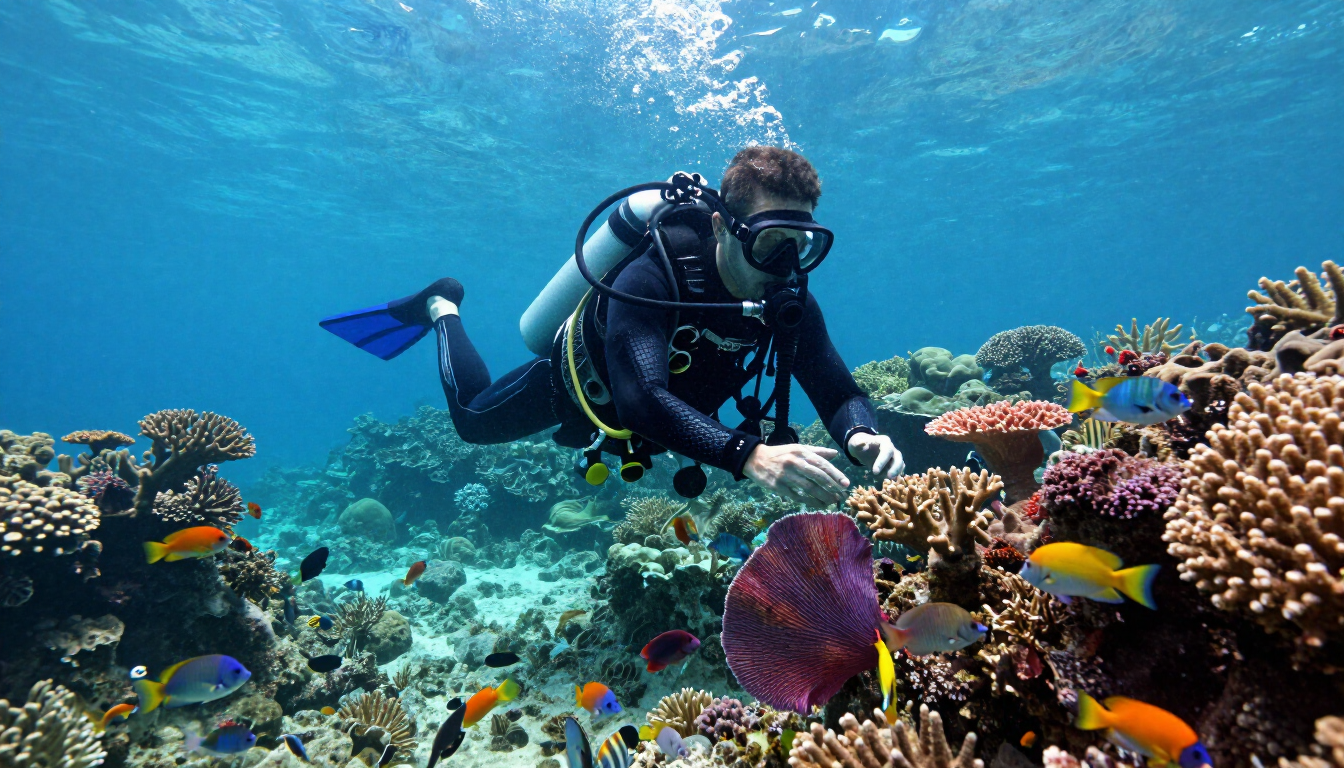
While we offer world-class training in Pretoria, there is nothing quite like taking your first open-water plunge in Sodwana Bay. Located on the east coast of South Africa, Sodwana is a mecca for divers worldwide. The warm Agulhas Current brings clear water and an incredible diversity of marine life to the reefs. For a beginner, this means you aren't just looking at rocks; you are swimming through a vibrant city of corals, sea turtles, and thousands of species of tropical fish.

Sodwana Bay Reef

The conditions in Sodwana are often ideal for those new to the sport. The visibility frequently exceeds 20 meters, meaning you can see exactly where you are and where your instructor is at all times. This high visibility significantly reduces anxiety for new divers. Furthermore, the sheer abundance of life—from the tiny nudibranch to the majestic whale shark (in season)—provides a welcome distraction that helps you forget any lingering fears about breathing underwater. Twobar Scuba has been operating as a charter in Sodwana since 2004, so we know these reefs better than anyone.

What are the safety rules for beginner divers?

Safety is the foundation of everything we do in the diving world. During your try dive, there are a few non-negotiable rules that your instructor will reinforce constantly. These rules are designed to keep you safe and ensure that your first breath underwater is the first of many throughout your life. Following these simple guidelines makes diving one of the safest adventure sports in the world:

  • Never Hold Your Breath: This is the golden rule. You must breathe continuously to allow air to move freely in your lungs.
  • Equalize Early and Often: Gently 'popping' your ears as you descend prevents discomfort from pressure.
  • Stay Close to Your Buddy/Instructor: There is safety in numbers, and your instructor is there to help instantly.
  • Monitor Your Air: Even though your instructor does this for you, learning to check your gauge is a vital habit.
  • Respect the Marine Life: Look but don't touch; this protects both you and the delicate ecosystem.

Start your underwater adventure today

In summary, taking your first breath underwater is an accessible, safe, and exhilarating experience that opens up 70% of our planet for exploration. By focusing on slow, deep breaths and trusting the guidance of your professional instructor, you can move past the initial novelty and begin to enjoy the weightless serenity of the ocean. Whether you are practicing your skills in a Pretoria pool or exploring the world-renowned reefs of Sodwana Bay, the journey starts with that single, incredible inhale.

Key Takeaways for Your First Dive:

  • Breathing underwater feels natural once you overcome the initial 'mind over matter' hurdle.
  • Try dives are conducted in shallow, safe environments with constant professional supervision.
  • You don't need to be an athlete; you just need to be comfortable in the water and willing to learn.
  • Sodwana Bay offers some of the best beginner diving conditions on the planet.
  • Ready to dive in? Contact Us to ask about our upcoming schedules or visit our Gallery to see what awaits you beneath the waves.

Recent Posts

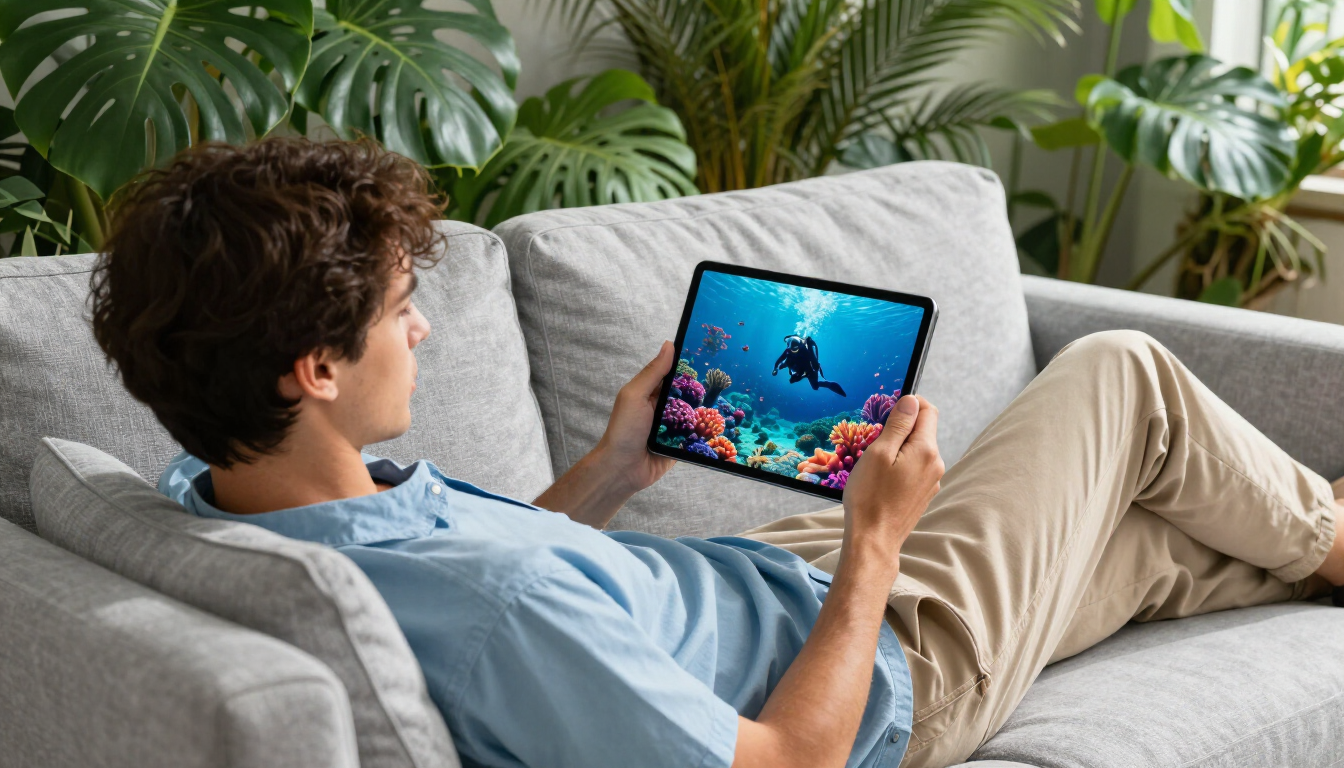
Student using PADI eLearning on a tablet at home.
June 1, 2026
Discover how PADI eLearning works. Learn to scuba dive at your own pace with online theory before you hit the water with Twobar Scuba in Sodwana Bay.
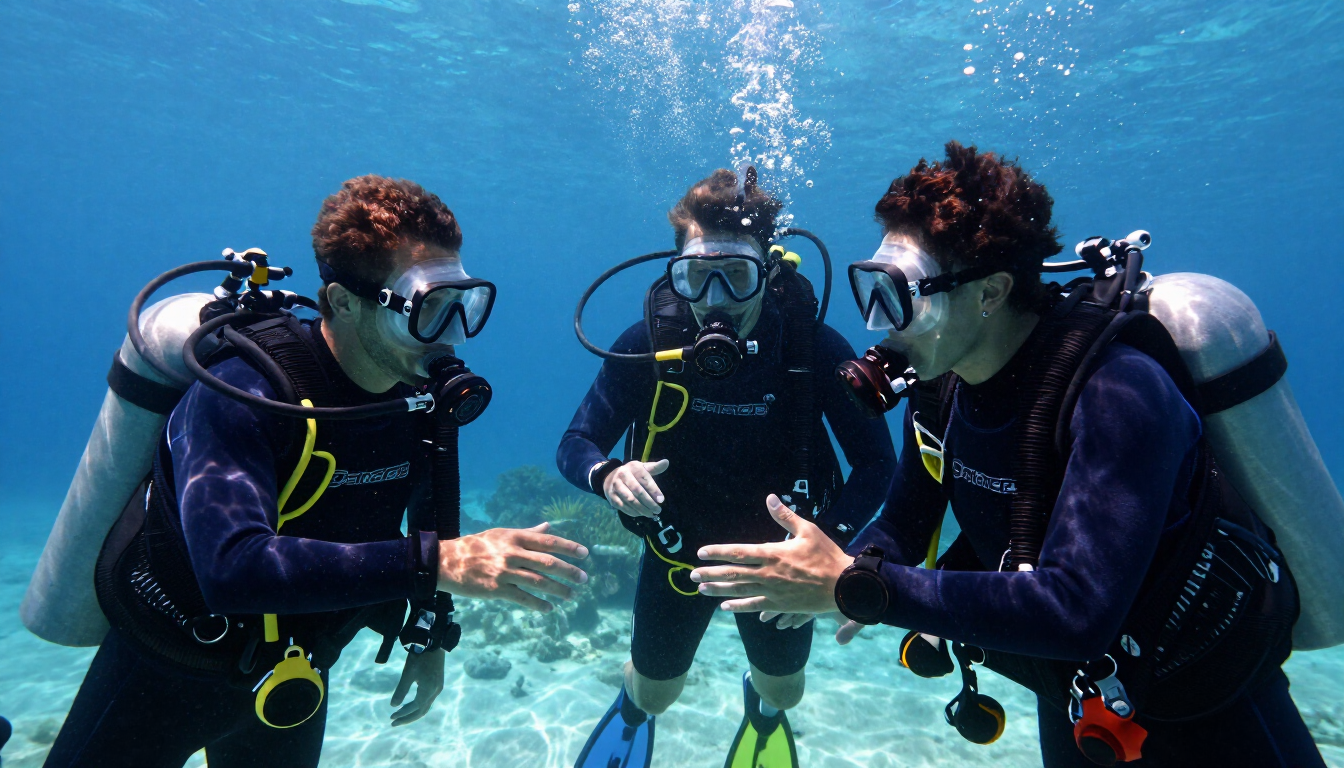
A scuba instructor guiding a small group of students underwater in a clear training environment.
June 1, 2026
Discover why small scuba class sizes are essential for safety, skill mastery, and confidence. Learn how Twobar Scuba's personalized training helps you excel in your certification.
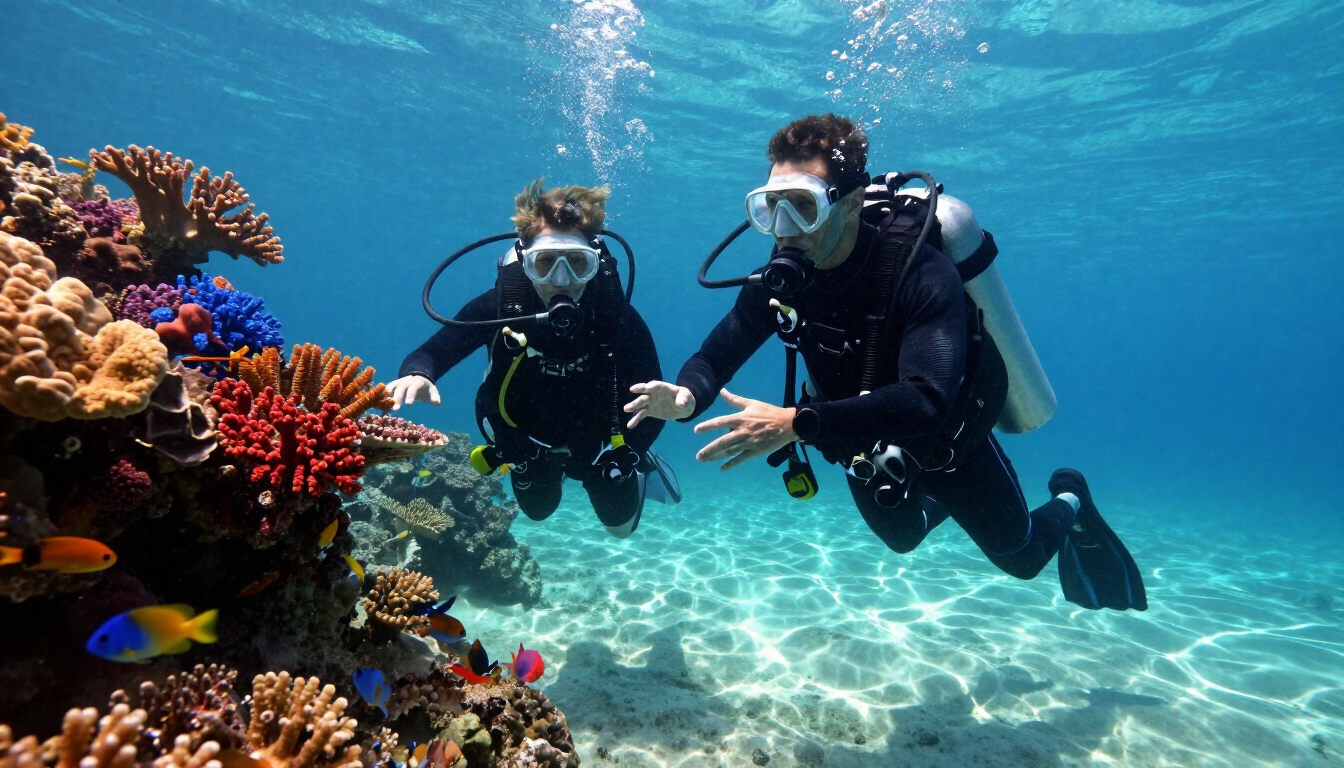
Professional scuba diving instructor and student underwater training session.
June 1, 2026
Learn the core differences between Divemaster and PADI Instructor roles. Explore teaching authority, prerequisites, and professional diving career paths for 2026.
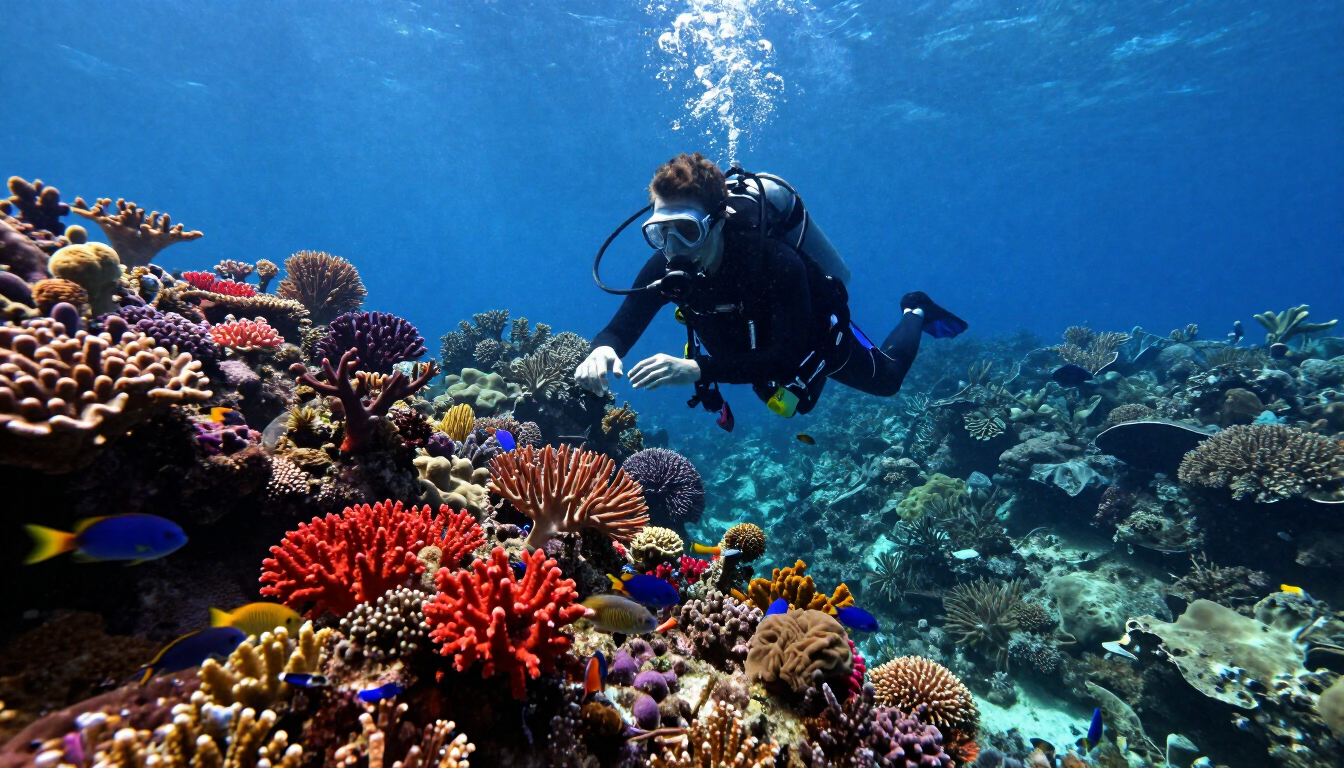
A scuba diver using a compass for underwater navigation near a coral reef.
June 1, 2026
Explore the most popular PADI specialty courses including Deep Diving, Night Diving, and Navigation. Learn how these certifications enhance your skills and underwater safety.
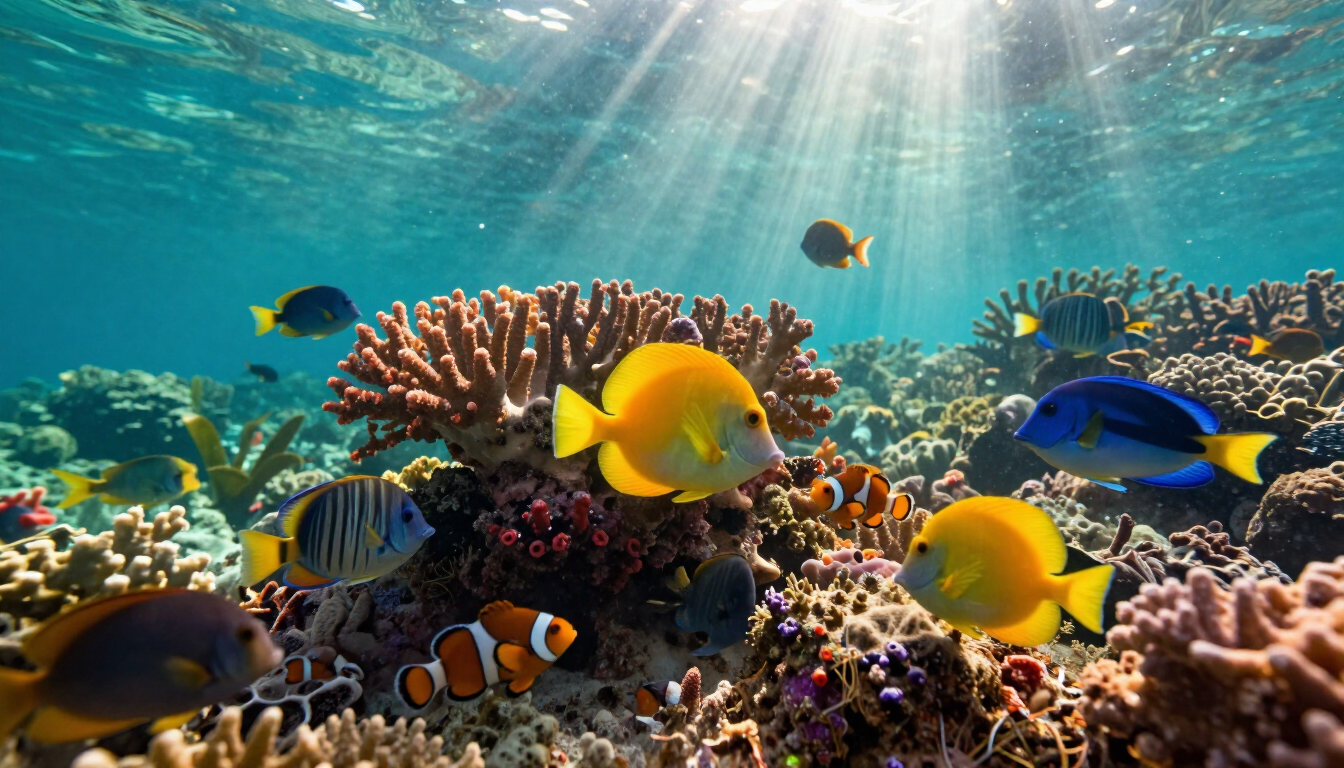
Vibrant coral reef in Sodwana Bay South Africa
June 1, 2026
Complete your NAUI scuba theory in Gauteng and finish your qualifying dives in Sodwana Bay. Learn the benefits of the referral method with Twobar Scuba.
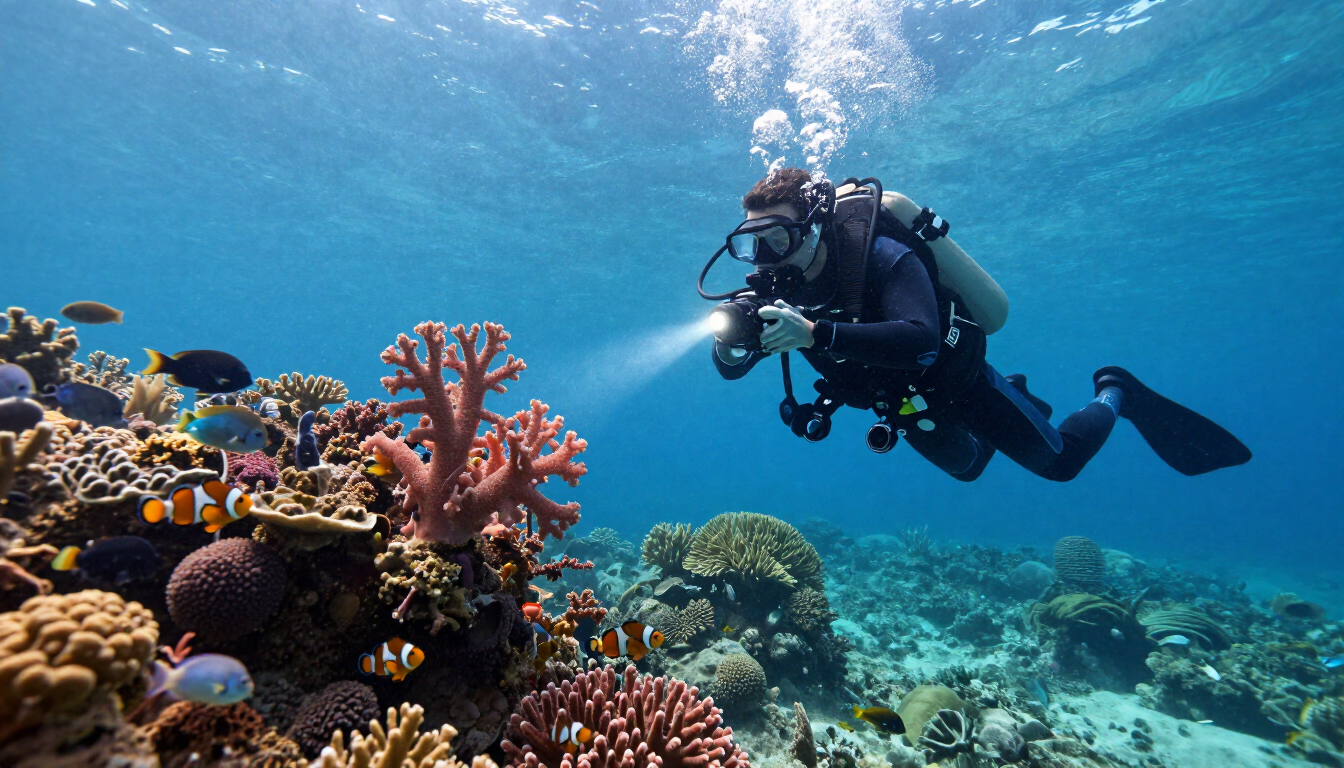
Scuba diver taking photos of coral reef in Sodwana Bay
June 1, 2026
Master underwater photography at Sodwana Bay. Learn essential techniques for stunning marine shots with Twobar Scuba's professional training.
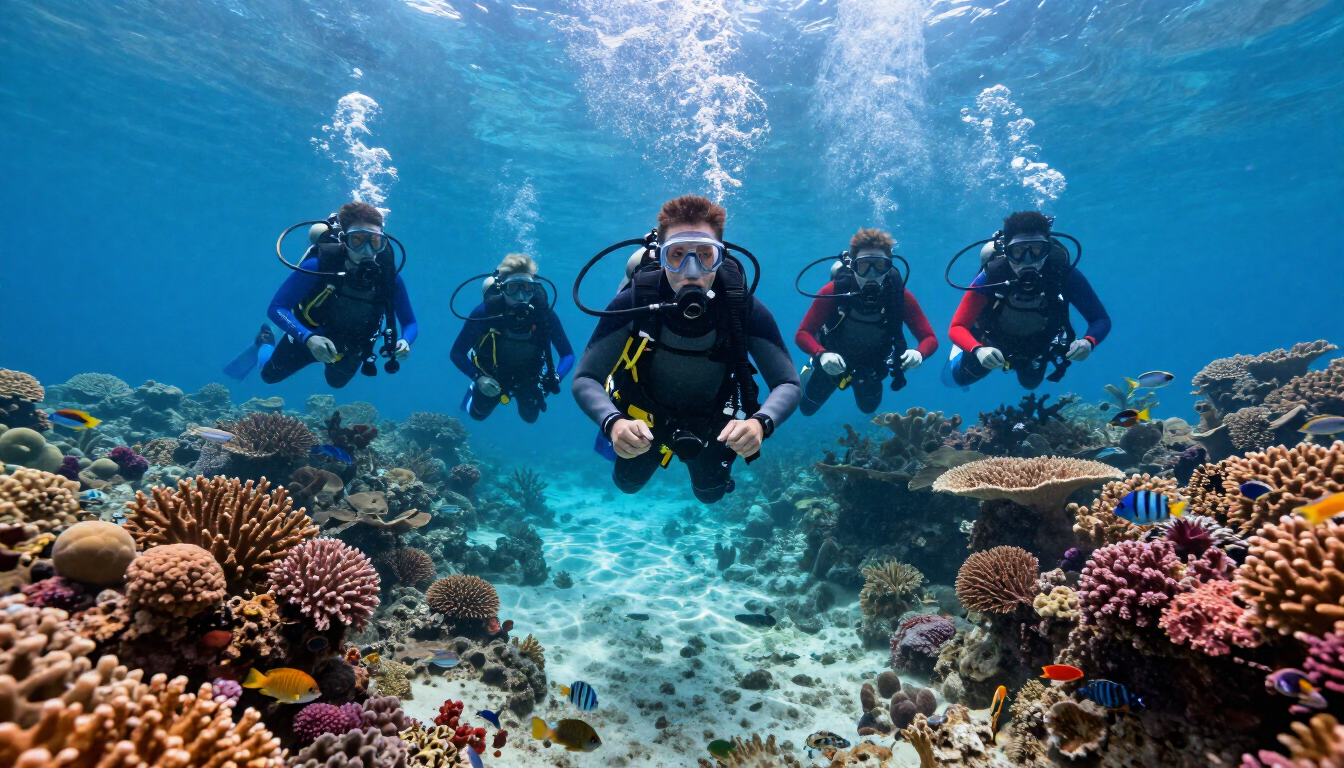
A professional scuba divemaster guiding a group through a vibrant coral reef.
June 1, 2026
Professional Divemaster training at Twobar Scuba. Learn to lead dives in Sodwana Bay and Pretoria with expert NAUI instructors. Start today!
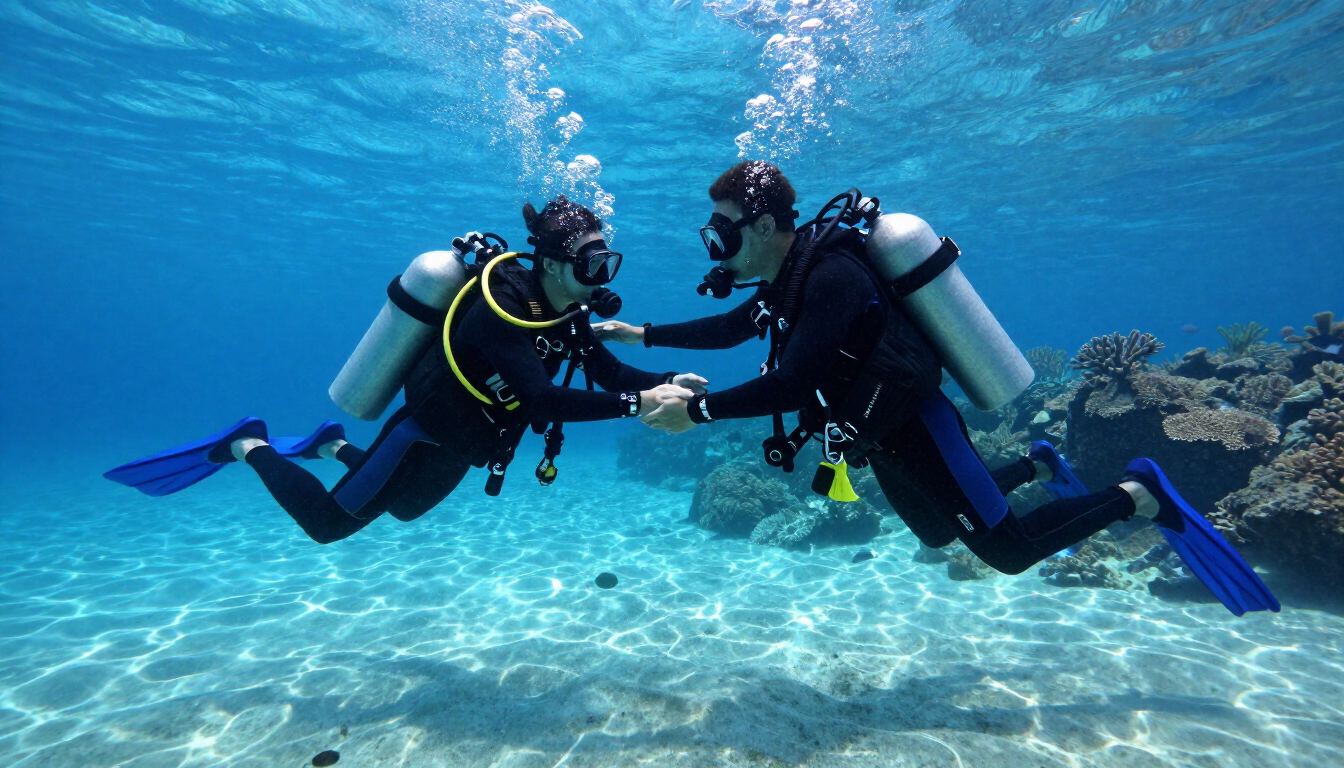
Scuba divers practicing rescue techniques in clear water
June 1, 2026
Explore the Rescue Diver course: what it covers, why it’s the most challenging yet rewarding scuba certification, and how it prepares you for emergencies.
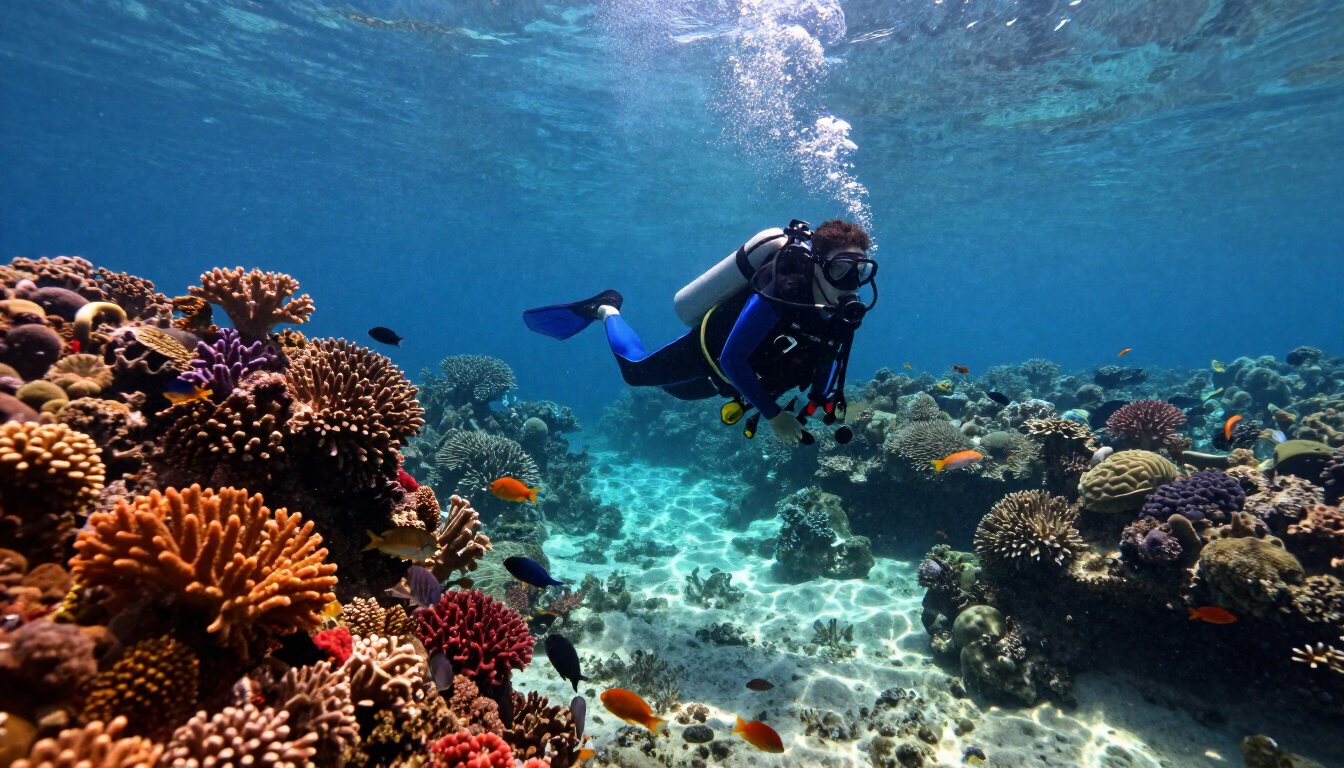
A scuba diver mask underwater with bubbles and blue light.
June 1, 2026
Compare Open Water vs Advanced Open Water certification levels. Discover which course is right for your experience level and how to advance your diving skills at Sodwana Bay.
A professional scuba diver exploring a vibrant coral reef.
June 1, 2026
Discover what PADI is and why scuba diving accreditation is vital for your safety. Compare PADI and NAUI standards and find the best dive training in 2026.

Show More