What Is Scuba Diving? A Beginner's Guide (2026)
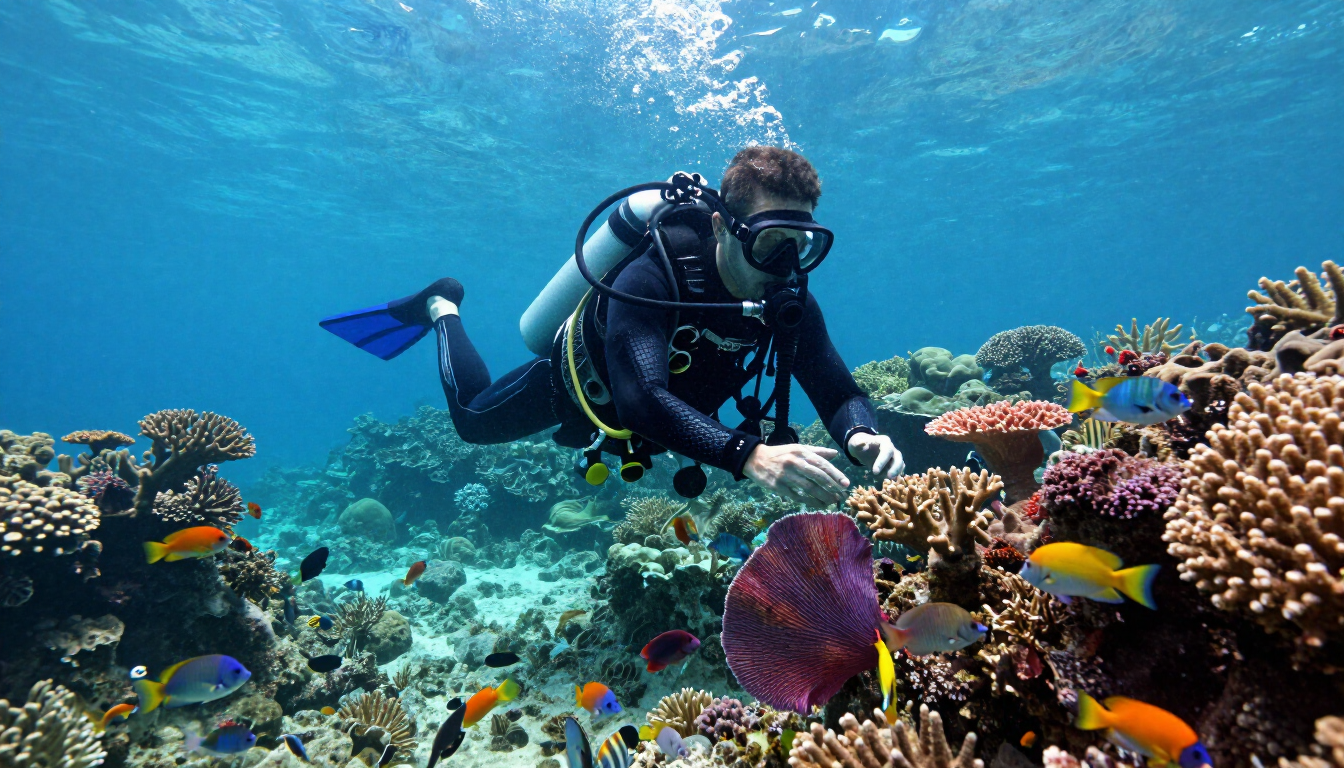
Scuba diving is an underwater activity where individuals use a Self-Contained Underwater Breathing Apparatus (SCUBA) to breathe while submerged. This specialized equipment allows divers to stay underwater significantly longer than breath-holding allows, providing the freedom to explore marine life, shipwrecks, and vibrant coral reefs with ease and safety.
What exactly is scuba diving?
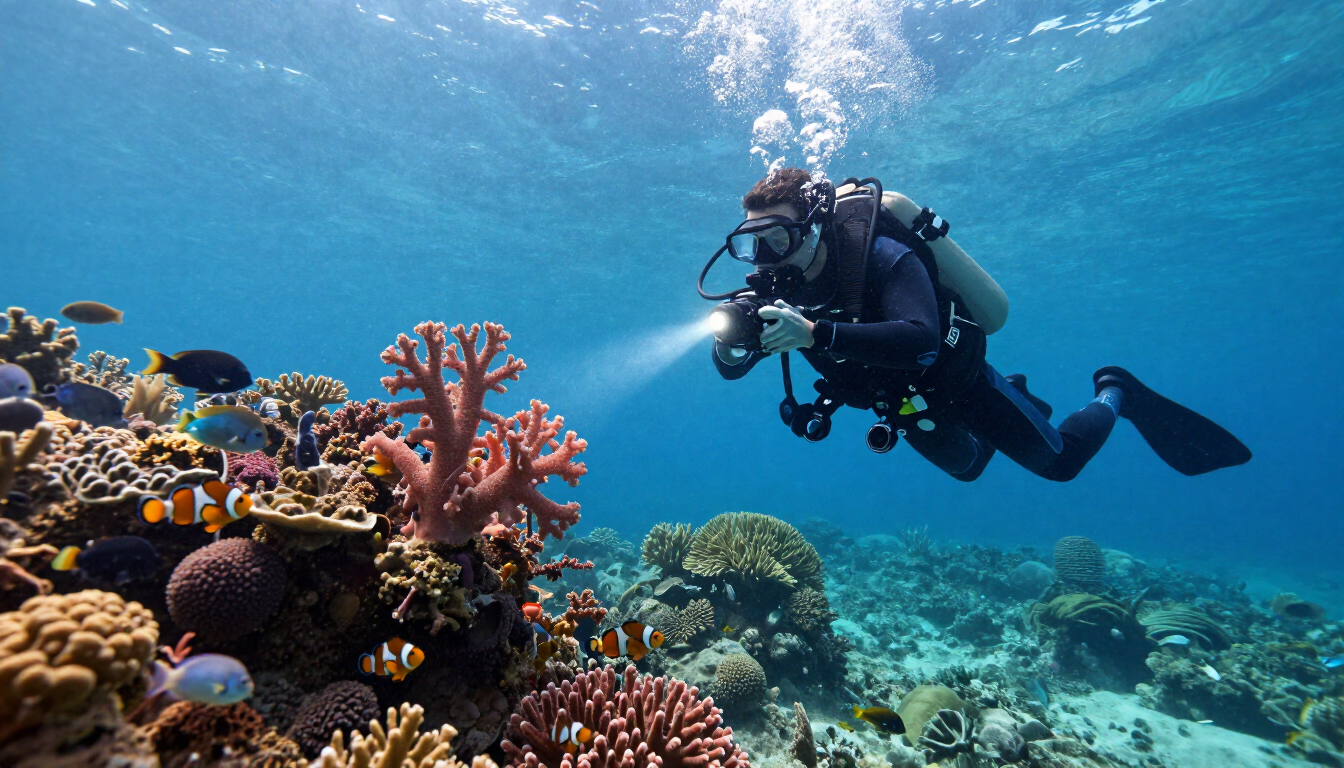
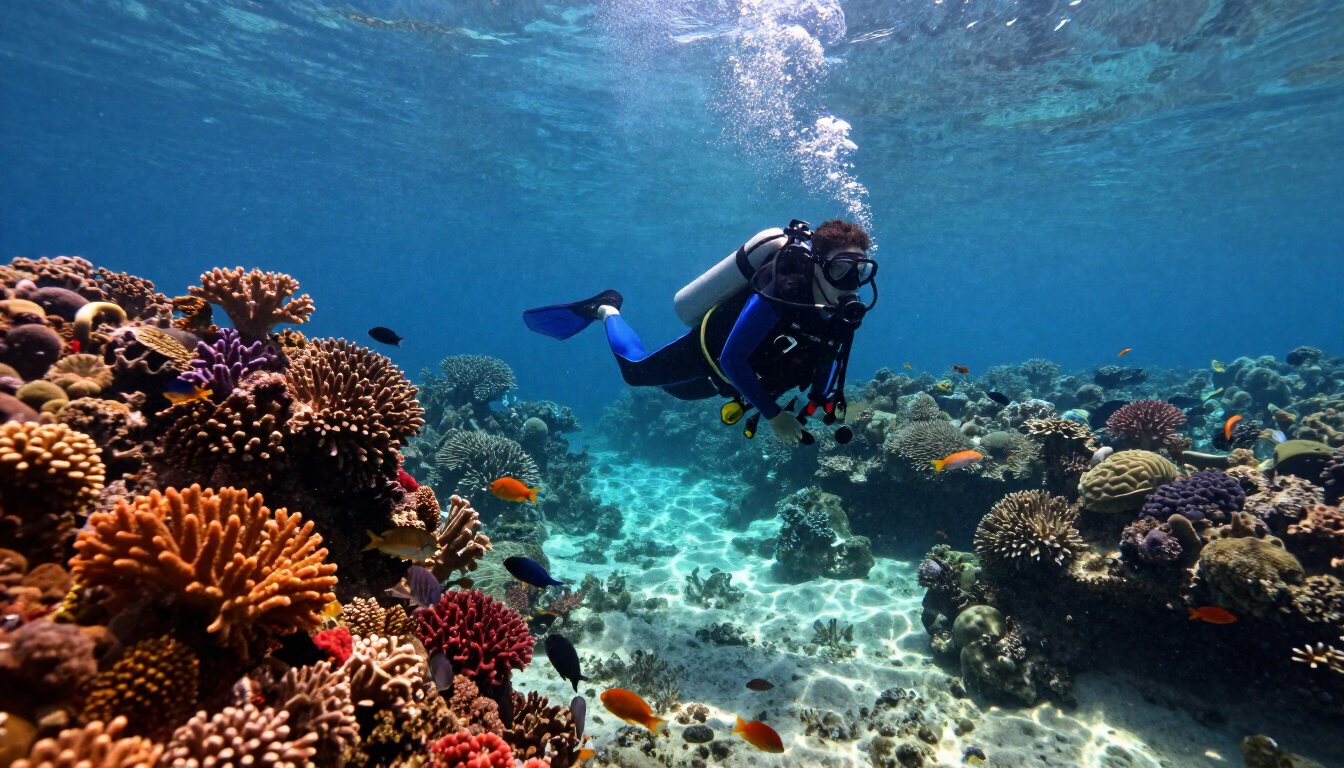
At its core, scuba diving is a gateway to a world that remains hidden from most of the population. Unlike snorkeling, which keeps you at the surface, scuba diving allows you to become a temporary resident of the ocean. By carrying your own air supply on your back, you are no longer tethered to the surface. For South Africans, this means moving beyond the shoreline to witness the incredible biodiversity of our coastal waters, from the warm, tropical reefs of Sodwana Bay to the kelp forests of the Cape.
Scuba diving is both a recreational hobby and a professional pursuit. Most people start as recreational divers, seeking adventure, photography opportunities, or a unique way to decompress from daily life. The experience is often described as a feeling of weightlessness, similar to being in outer space, but surrounded by the vibrant colors and rhythmic sounds of the sea.
The History and Meaning of SCUBA
The term "SCUBA" is actually an acronym that stands for Self-Contained Underwater Breathing Apparatus . Historically, divers were attached to the surface by long hoses that pumped air down to them. This limited their movement and created significant risks. The modern scuba system was revolutionized in the mid-20th century by Jacques Cousteau and Émile Gagnan, who developed the "Aqua-Lung."
This invention allowed the air to be delivered to the diver only when they inhaled (on-demand), making the air supply last much longer and giving the diver total independence. Today, the technology has evolved into highly sophisticated systems that prioritize safety, comfort, and ease of use. Whether you are taking your first diving courses or are a seasoned pro, the principles remains the same: portable air and the freedom to roam.
How does scuba diving equipment work?
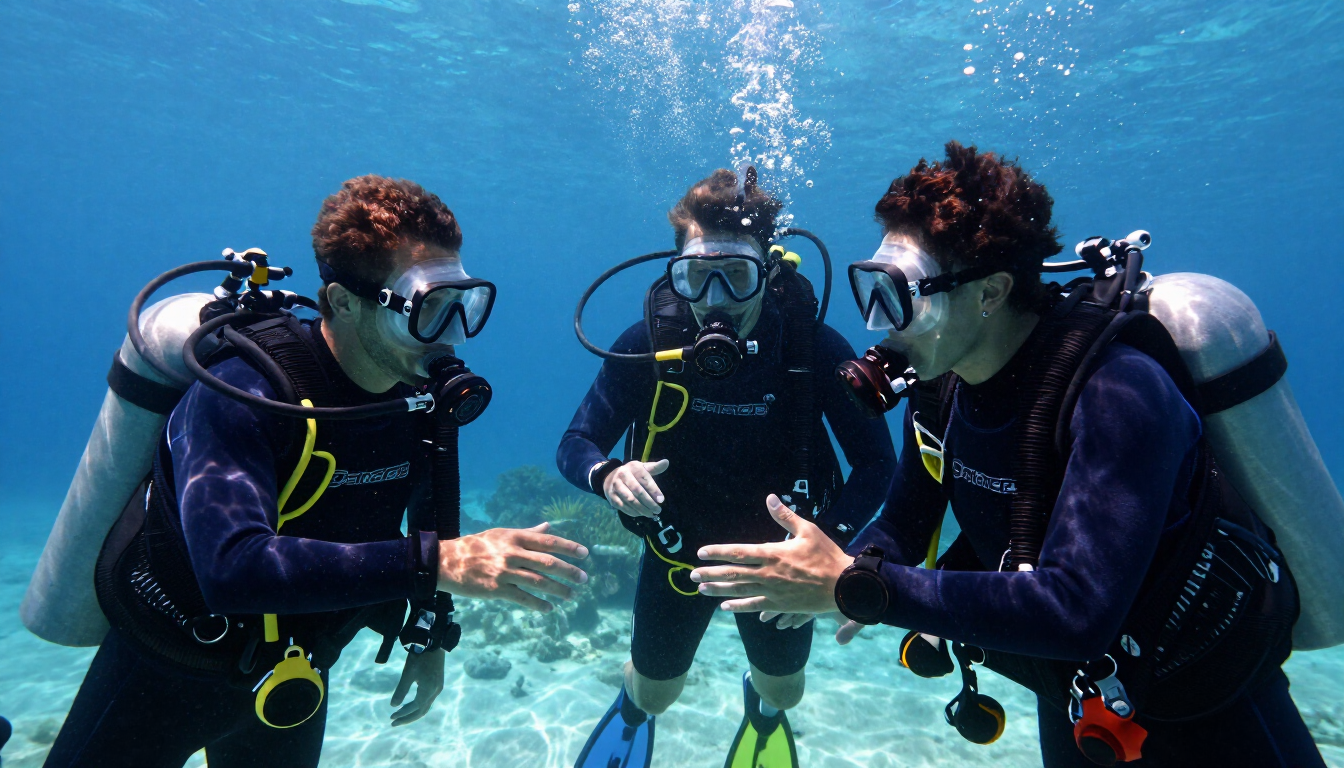
Understanding the gear is one of the most exciting parts of being a beginner. Each piece of equipment serves a specific purpose to keep you safe, warm, and mobile. While it might look complex at first, most modern gear is designed to be intuitive and user-friendly. Here is the primary equipment you will use during your journey:
- The Regulator: This is the most critical piece of kit. It "regulates" the high-pressure air from your tank to a pressure you can actually breathe.
- The BCD (Buoyancy Control Device): A vest that you can inflate or deflate with air to help you float on the surface or hover effortlessly at a specific depth.
- The Cylinder (Tank): A high-pressure metal flask that holds your compressed air (not pure oxygen, but usually filtered atmospheric air).
- Mask and Fins: The mask creates an air space so your eyes can focus underwater, while fins provide the propulsion needed to move through the water with minimal effort.
- Exposure Suit: Depending on the water temperature, you’ll wear a wetsuit or drysuit to prevent your body from losing heat.
Is scuba diving difficult to learn?
Many people are surprised to find that scuba diving is more about relaxation than physical exertion. If you can swim comfortably and are in decent health, you can likely learn to dive. The most "difficult" part for beginners is often the mental shift—convincing your brain that it is perfectly okay to breathe while underwater.
At Twobar Scuba, we focus on a supportive environment where you can develop your skills at your own pace. The learning process is broken down into small, manageable steps. You start with theory (learning the physics and safety rules), move to a controlled pool environment to practice skills, and finally head to the open ocean for your qualifying dives. It’s a progression designed to build confidence before you ever step foot on a boat for your first dive trips .
Essential Gear for Every Beginner
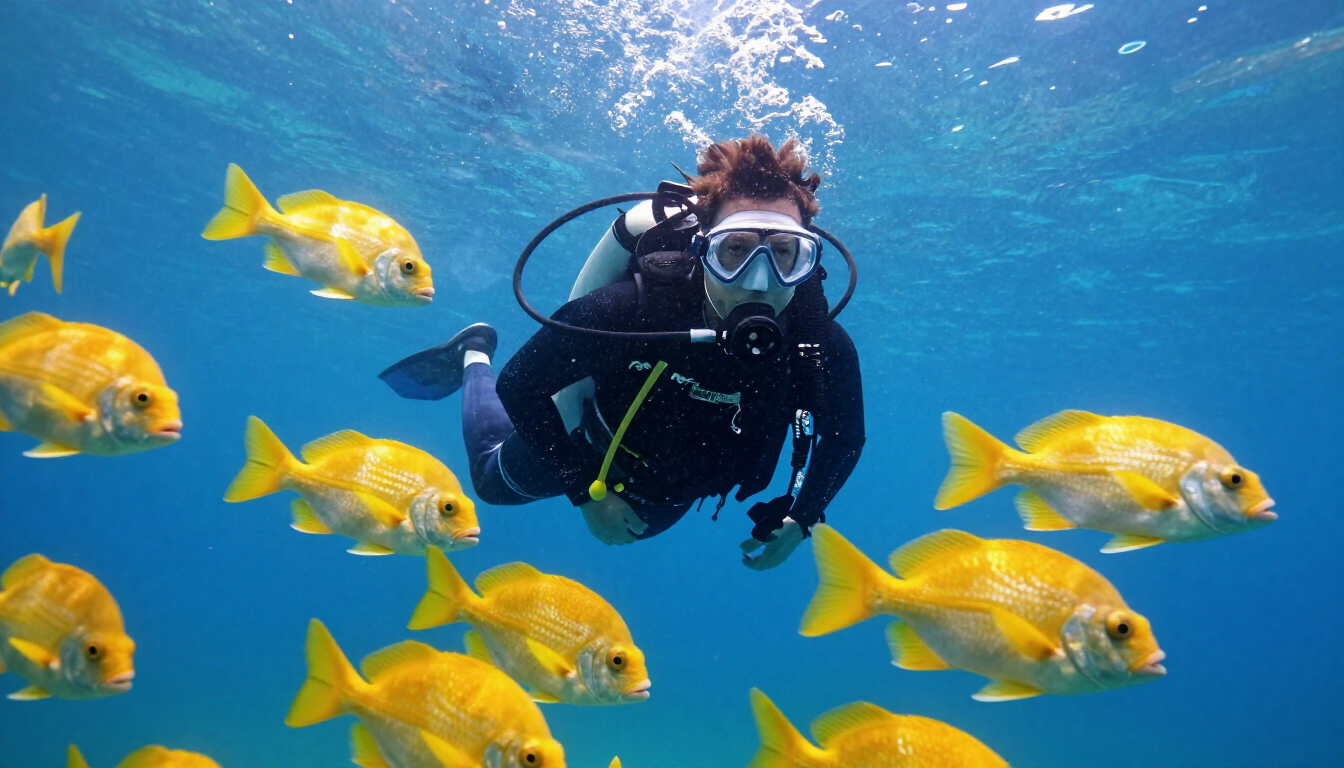
While most dive schools provide rental gear, many beginners prefer to purchase their own "soft gear" early on. Having a mask that fits your face perfectly can be the difference between a good dive and a great one. If you want to see what professional gear looks like in action, you can browse our Gallery to see our students and instructors fully equipped.
When choosing your first set of gear, consider these five items:
- A high-quality silicone mask that seals perfectly against your skin.
- A snorkel for conserving tank air while swimming on the surface.
- Comfortable fins that don't cause cramps or blisters.
- A dive computer to safely monitor your depth and bottom time.
- A well-fitting wetsuit tailored to the temperatures of the regions you plan to visit.
How do I get certified in South Africa?
In South Africa, the gold standard for starting your journey is the Open Water Diver certification. This license is recognized globally, meaning once you earn it here, you can dive anywhere in the world, from the Great Barrier Reef to the Red Sea. We offer accredited NAUI training that ensures you meet international safety and skill benchmarks.
The process typically looks like this:
- Registration: Signing up and receiving your learning materials.
- Academics: Completing the theory modules, which cover how water pressure affects the body and how to plan dives.
- Pool Sessions: Learning how to clear water from your mask and recover a regulator in the safety of a swimming pool.
- Qualifying Dives: Completing four dives in the ocean to demonstrate your skills in a real-world setting.
Once certified, a whole new world of adventure opens up. You can then Book advanced sessions or specialty courses like deep diving, night diving, or wreck exploration.
Top Marine Life to Spot in Sodwana Bay
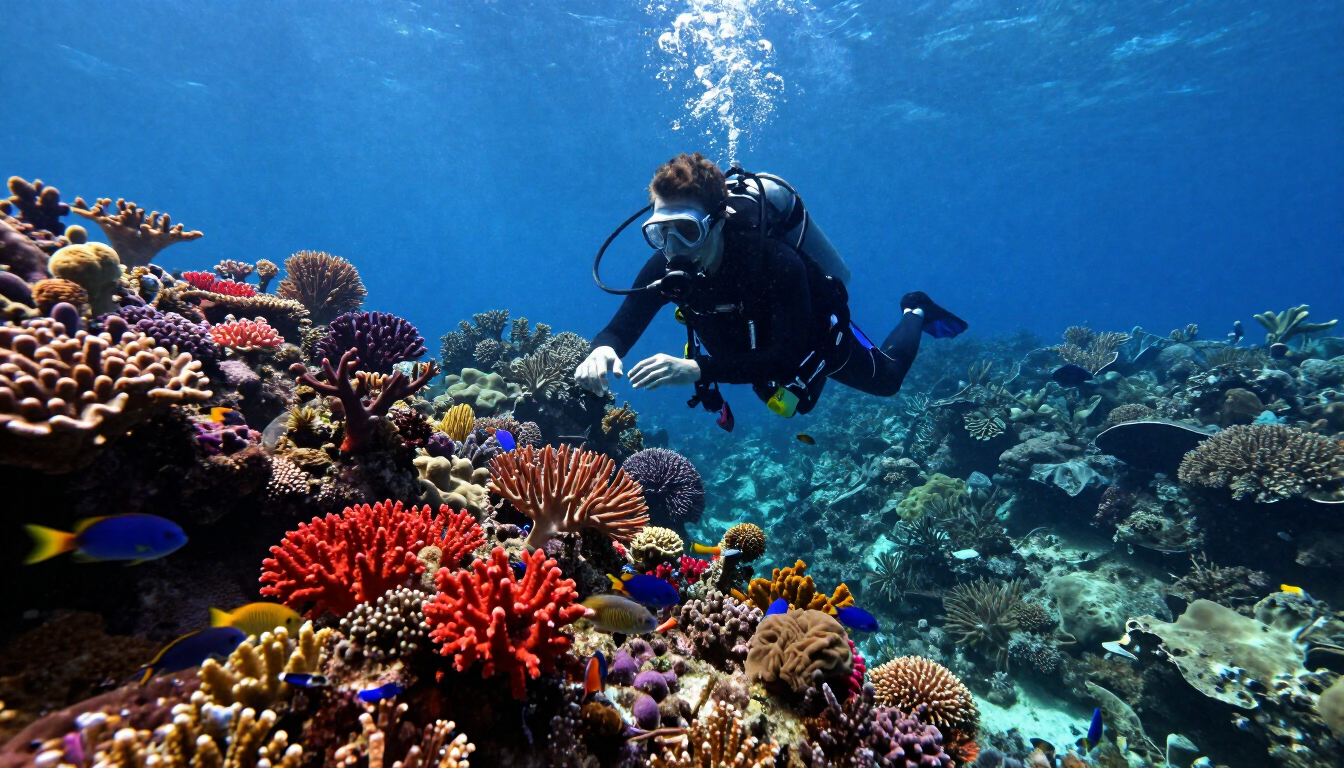
South Africa is home to some of the best diving in the world, and Sodwana Bay is the crown jewel. Because of the warm Agulhas current, the reefs are teeming with life year-round. It is one of the few places where you can experience world-class coral reefs right on your doorstep. For a beginner, the diversity can be overwhelming in the best possible way.
Common sightings in these waters include:
- Sea Turtles: Green and Hawksbill turtles are frequently seen resting on the reefs.
- Manta Rays: These majestic "birds of the sea" glide gracefully over the deeper sections of the reefs.
- Whale Sharks: During the summer months, these gentle giants are often spotted near the surface.
- Ragged Tooth Sharks: Despite their fierce appearance, they are docile and a highlight for many divers at Sodwana.
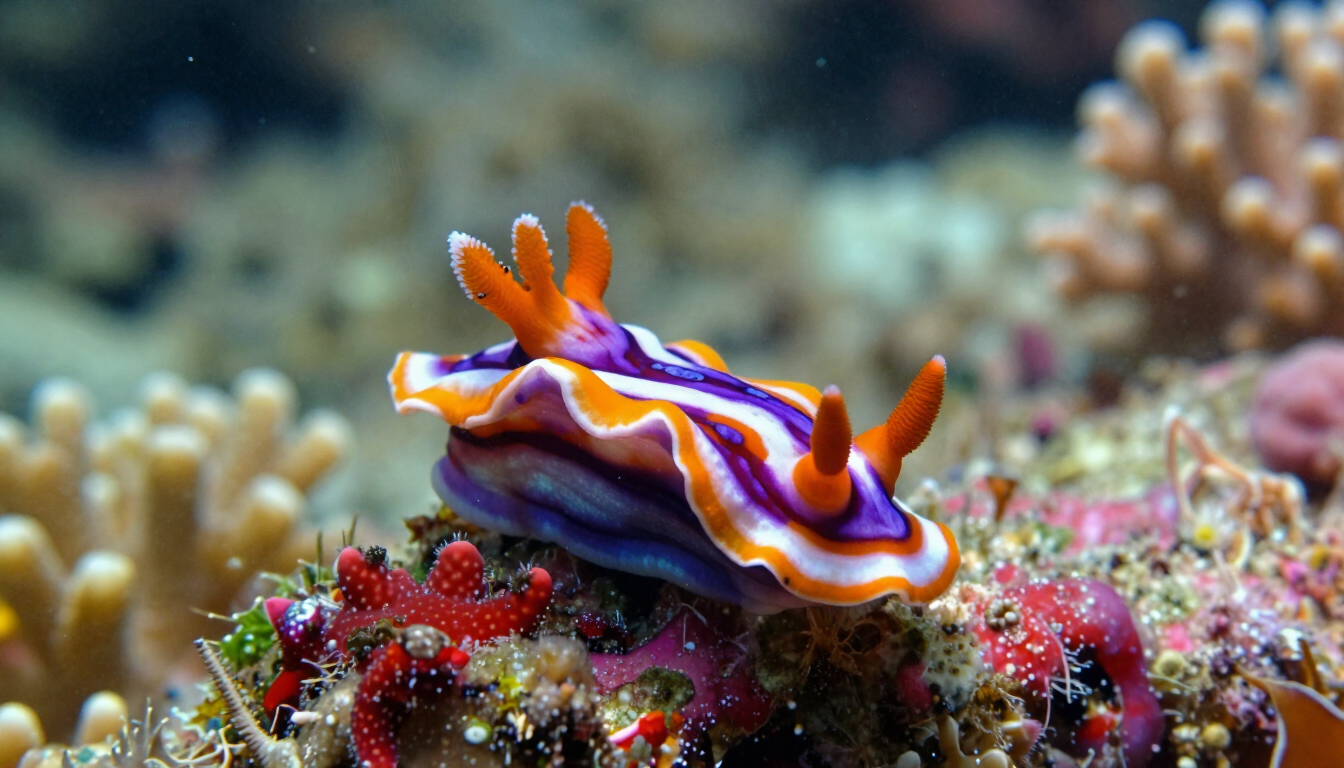
- Nudibranchs: For those who like the smaller things, these "sea slugs" come in every neon color imaginable.
Is scuba diving safe for everyone?
Safety is the absolute priority in the diving community. Modern equipment and rigorous training standards have made scuba diving statistically very safe. However, it does require a level of discipline and respect for the environment. This is why we place such a heavy emphasis on our Contact Us page—to ensure every diver understands the protocols that keep us safe.
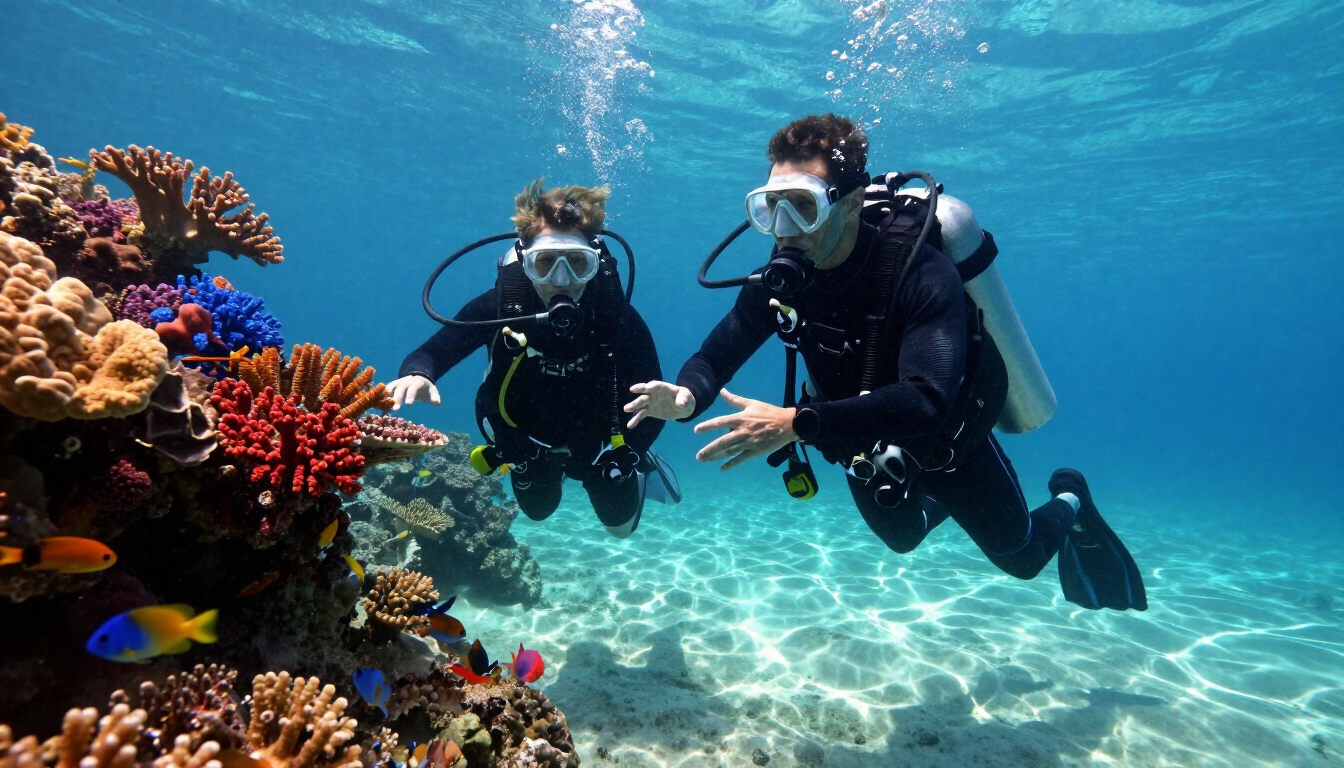
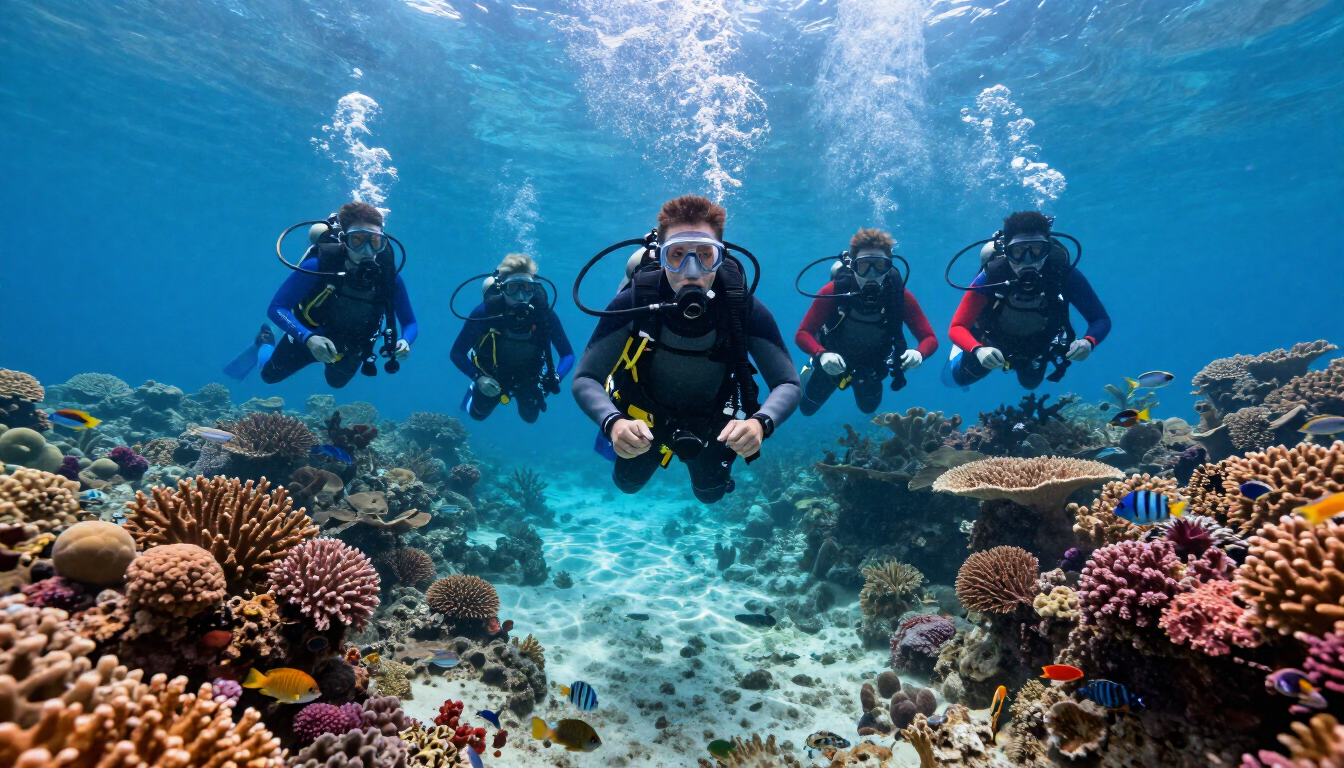
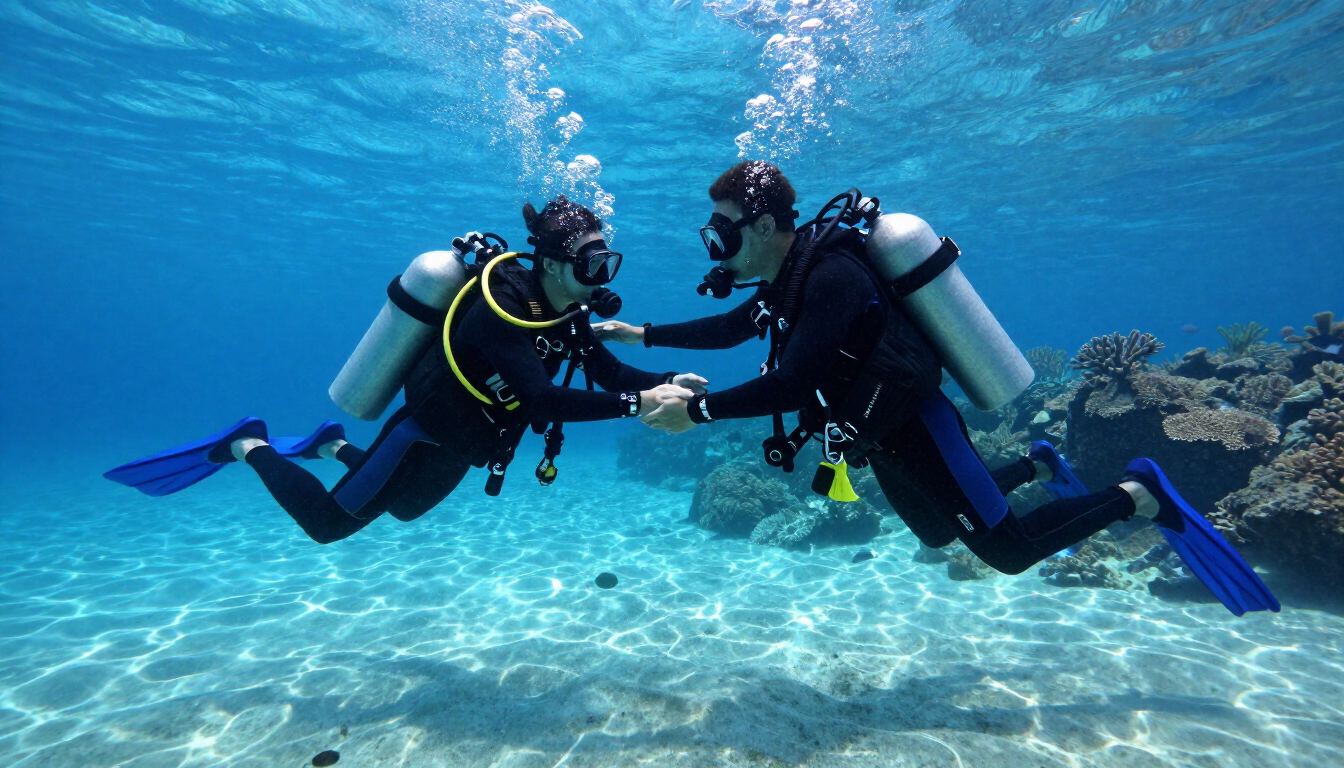
Before you start, you’ll need to complete a medical questionnaire. Certain conditions, like severe asthma or heart issues, may require a doctor’s clearance. Once you're in the water, the "buddy system" ensures you are never alone. You and your partner are responsible for checking each other's gear and staying close throughout the dive, providing a redundant layer of safety that makes the experience stress-free.
What should I expect during my first lesson?
Your first day of scuba training is usually a mix of excitement and a little bit of nerves—which is completely normal! Most of the session will be spent on land or in shallow water getting comfortable with the gear. You’ll learn how to put the equipment together, how to check that everything is working correctly, and how to take those first breaths underwater.
There is a magical moment that almost every diver remembers: the first time they submerge their head, take a breath, and realize they don't have to come back up for air. It’s a breakthrough that changes your perspective on the world forever. From there, it’s all about buoyancy and balance—learning how to move your body in a 3D environment using nothing but your lungs and your fins.
The Mental and Physical Benefits of Diving
Beyond the thrill of seeing sharks or turtles, scuba diving offers profound mental health benefits. Many divers describe it as a form of "underwater meditation." Because you have to focus on your breathing and your movements are slowed down by the water, it naturally reduces stress and anxiety.
Physically, diving is a great way to stay active without the high impact of running or gym workouts. It improves your cardiovascular health and builds core strength as you stabilize yourself in the current. Plus, the community aspect of diving—the "braai" after a day of boat launches at Sodwana—is a major part of the South African diving culture that keeps people coming back year after year.
Takeaways for Your First Dive
Scuba diving is an accessible, life-changing adventure that allows you to explore 70% of the planet that most people never see. By following proper training protocols and using the right gear, you can safely enjoy the wonders of the ocean. Whether you're looking for a new hobby or a way to connect with nature, diving offers something for everyone.
Core Takeaways:
- Start with a certified course: Always learn through an accredited body like NAUI.
- Focus on relaxation: Breathing slowly and deeply is the key to a long, enjoyable dive.
- Respect the ocean: We are guests in the underwater world; always practice good buoyancy to protect the reefs.
- South Africa is a premier destination: Take advantage of world-class spots like Sodwana Bay.
- Get the right guidance: Join a community like Twobar Scuba to ensure you have expert support every step of the way.
Ready to take the plunge? Book your training today and start your journey into the deep!