Scuba Diving vs. Snorkelling: Which Is Right for You?

June 1, 2026

Share this article

Scuba diving involves using a self-contained breathing apparatus to breathe underwater for extended periods, allowing for deep-sea exploration. Snorkelling uses a mask and breathing tube to view marine life from the surface. The choice depends on your desired depth, comfort level, and the time you wish to spend underwater.

What is the main difference between scuba diving and snorkelling?

When comparing scuba diving vs. snorkelling, the most fundamental difference lies in how you breathe and where you are positioned in the water column. Snorkelling is a surface-based activity. You float face-down on the water’s surface, breathing through a short tube called a snorkel. This allows you to observe the underwater world from above without having to lift your head to breathe. It is generally easy, requires no formal training, and is accessible to almost anyone who can swim.

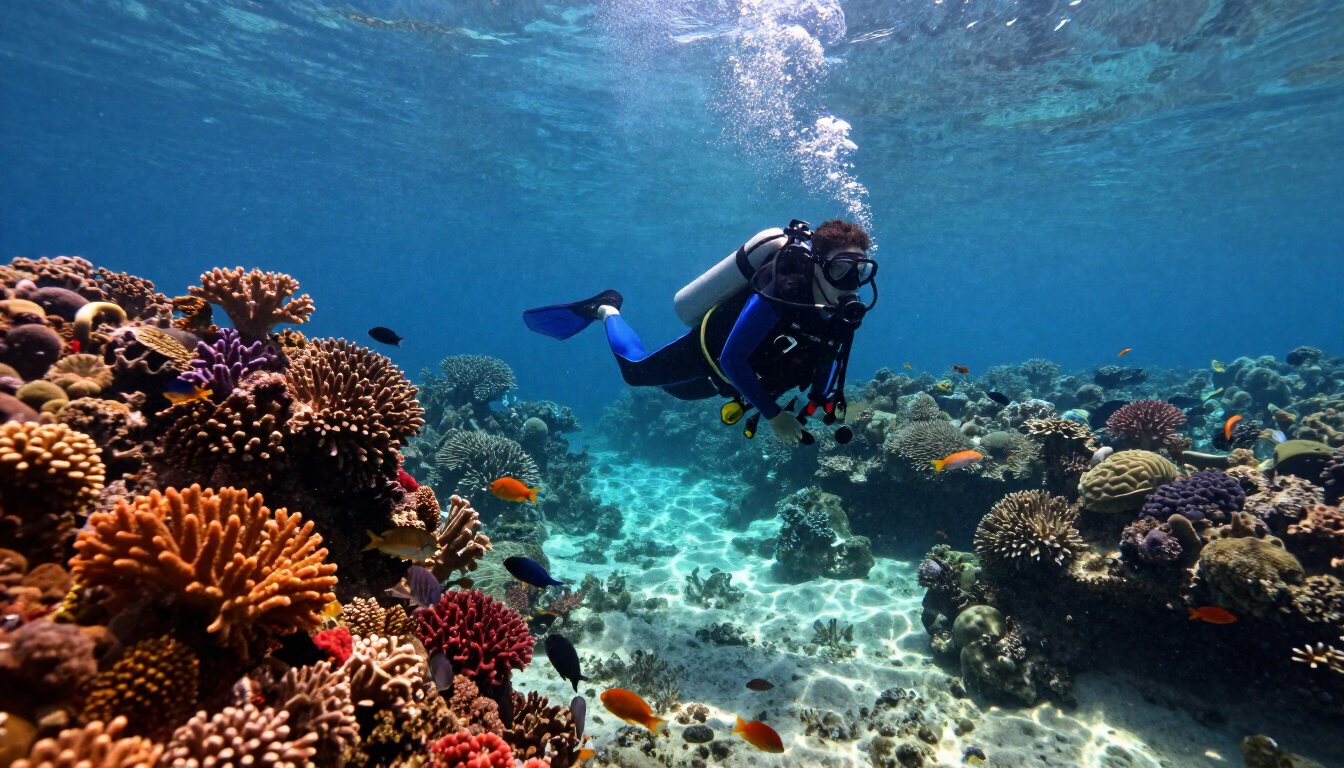
Scuba diving, on the other hand, is a fully immersive experience. The term "SCUBA" stands for Self-Contained Underwater Breathing Apparatus. Unlike snorkellers, scuba divers carry their own air supply in a high-pressure tank, allowing them to descend deep below the surface and stay there for forty-five minutes to an hour or more. This immersion changes your perspective entirely. Instead of looking down at the reef, you become part of the environment, swimming alongside the fish and exploring caves or wrecks that are invisible from the surface. While snorkelling offers a window into the ocean, scuba diving provides a doorway into a completely different world.

At our NAUI Dive Centre , we see many enthusiasts start as snorkellers before transitioning to diving. The difference is often described as the difference between watching a movie and being a character in the film. Snorkelling is limited by your lung capacity if you choose to dive down briefly, whereas scuba diving is limited by your air supply and decompression limits, both of which are managed through professional training.

Comparing the Equipment: What Gear Do You Need?

The complexity of the equipment is one of the most visible distinctions in the scuba diving vs. snorkelling debate. Snorkelling gear is minimalist and portable, while scuba gear is life-support equipment that requires proper handling and maintenance.

Common Snorkelling Equipment:

  • Mask: Creates an air space in front of your eyes so you can see clearly.
  • Snorkel: A tube that allows you to breathe while your face is in the water.
  • Fins: Help you move efficiently through the water with minimal effort.
  • Exposure Suit: A thin wetsuit or rash guard to protect against sun and stings.
  • Snorkel Vest: An optional buoyancy aid for those who want extra security.

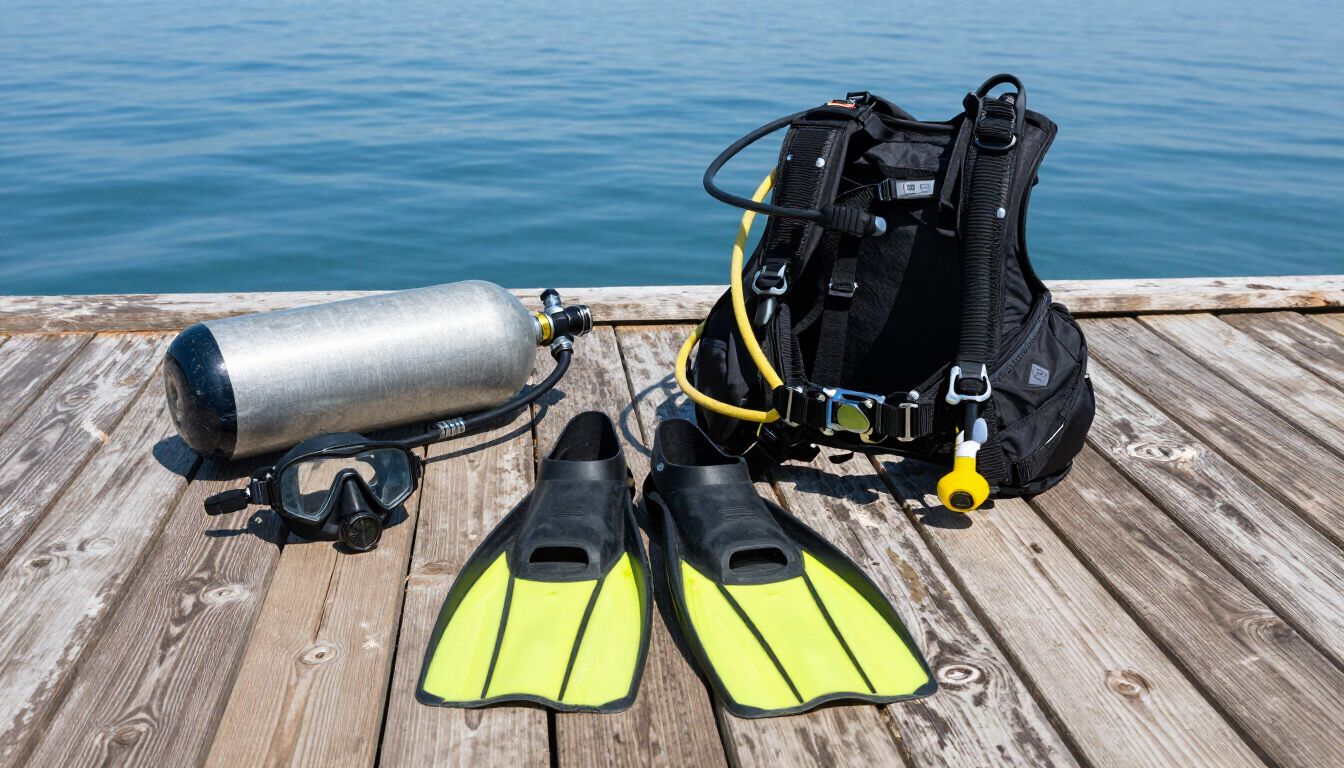
In contrast, a scuba diver’s kit is significantly more advanced. You will wear a Buoyancy Control Device (BCD), which is a vest that can be inflated or deflated to help you float on the surface or hover weightlessly underwater. Attached to this is your air tank and a regulator, which reduces the high-pressure air from the tank to a breathable pressure. You also carry a submersible pressure gauge (SPG) to monitor how much air you have left and a dive computer to track your depth and time.

Scuba Gear Setup

Because scuba gear is more technical, it requires a certain level of training and certification to use safely. At Twobar Scuba, we provide top-notch gear at our shop and training centre in Pretoria to ensure that every student feels comfortable and secure before they ever head to the coast. Whether you are renting or buying, understanding your equipment is the first step toward a successful dive.

Which activity offers a better view of marine life?

The answer to this depends on what you want to see. Snorkelling is fantastic for viewing vibrant coral gardens and schools of small, colourful fish that live in shallow, sunlit waters. Because sunlight penetrates shallow water more easily, colours like red and orange are much more vivid for a snorkeller. In places like Sodwana Bay, the shallow reefs are teeming with life, and you can see a lot just from the surface.

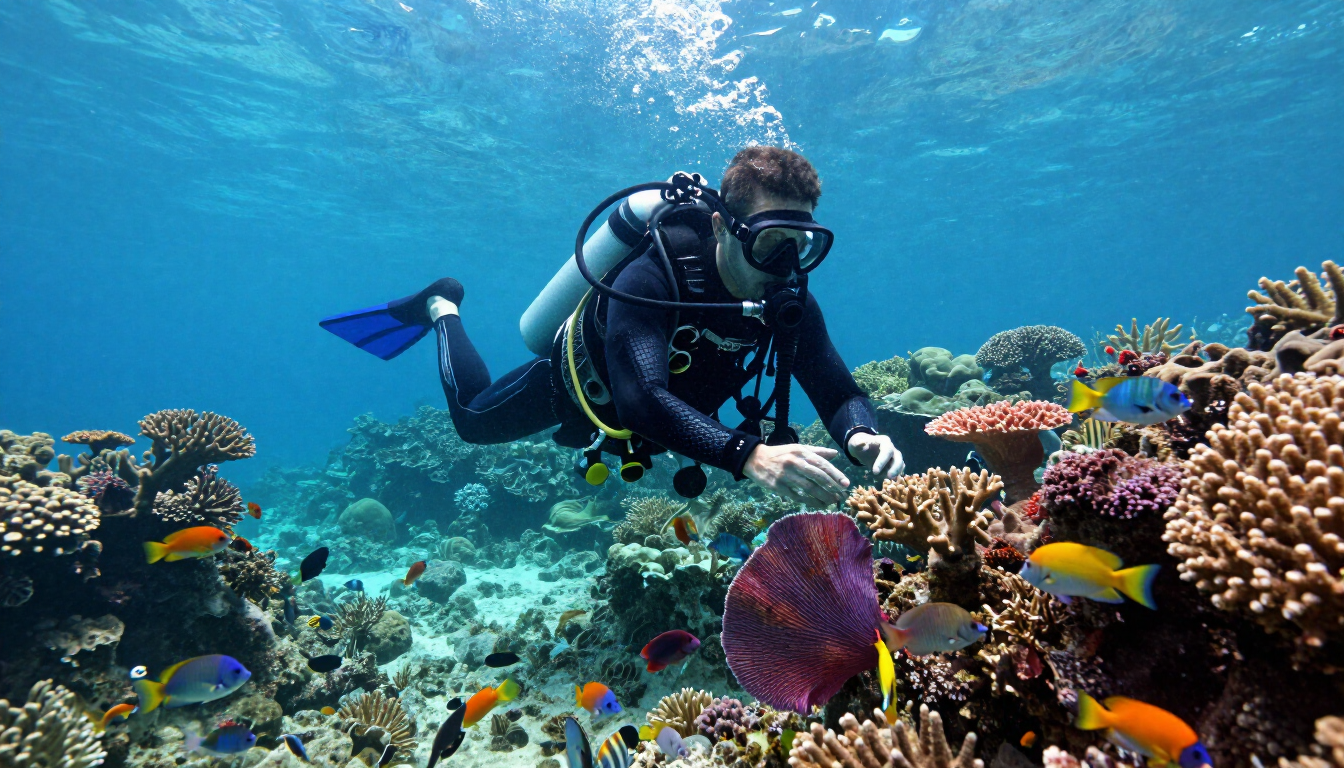
However, many of the ocean’s most majestic creatures are found at depths that snorkellers cannot reach. Scuba diving allows you to visit different dive sites in Sodwana that range from 12 metres to 30 metres or more. At these depths, you might encounter larger pelagic species, resident potato bass, or intricate macro life like nudibranchs tucked away in crevices. Scuba divers can stay still and quiet, allowing marine life to approach them out of curiosity, whereas the splashing and movement of a snorkeller on the surface can sometimes startle more sensitive species.

If you want to experience the true diversity of the reef, diving is the clear winner. By being underwater, you can look under ledges, swim through archways, and see the reef in 3D. You aren't just limited to the top-down view; you can see the underside of coral plates and the hidden inhabitants of the reef's deep shadows.

Is scuba diving harder to learn than snorkelling?

Learning to snorkel takes about five minutes. If you can breathe through your mouth and kick your legs, you are essentially a snorkeller. There is no certification required, and the barrier to entry is extremely low. This makes it a great family activity and a perfect introduction to the water for children or nervous swimmers.

Scuba diving requires a commitment to education. To dive independently with a buddy, you need an Open Water Certification. This involves learning the physics of diving, how pressure affects your body, and how to manage your equipment. You will practice skills like clearing water from your mask while underwater and sharing air with a buddy. While it sounds complex, modern training and certification methods make it very manageable.

The Scuba Learning Process:

  • Theory: Learning the "why" behind diving through manuals or e-learning.
  • Confined Water: Practicing skills in a swimming pool under instructor supervision.
  • Open Water Dives: Applying those skills in the ocean to prove competency.
  • Safety Protocols: Understanding how to ascend safely and monitor air.
  • Certification: Receiving a card that allows you to dive anywhere in the world.

At Twobar Scuba, we pride ourselves on creating a safe and supportive environment for learning. Our experienced instructors guide you through every step, ensuring you build the confidence needed to explore the deep. While diving is "harder" to learn initially, the reward of being able to breathe underwater is incomparable to the limitations of snorkelling.

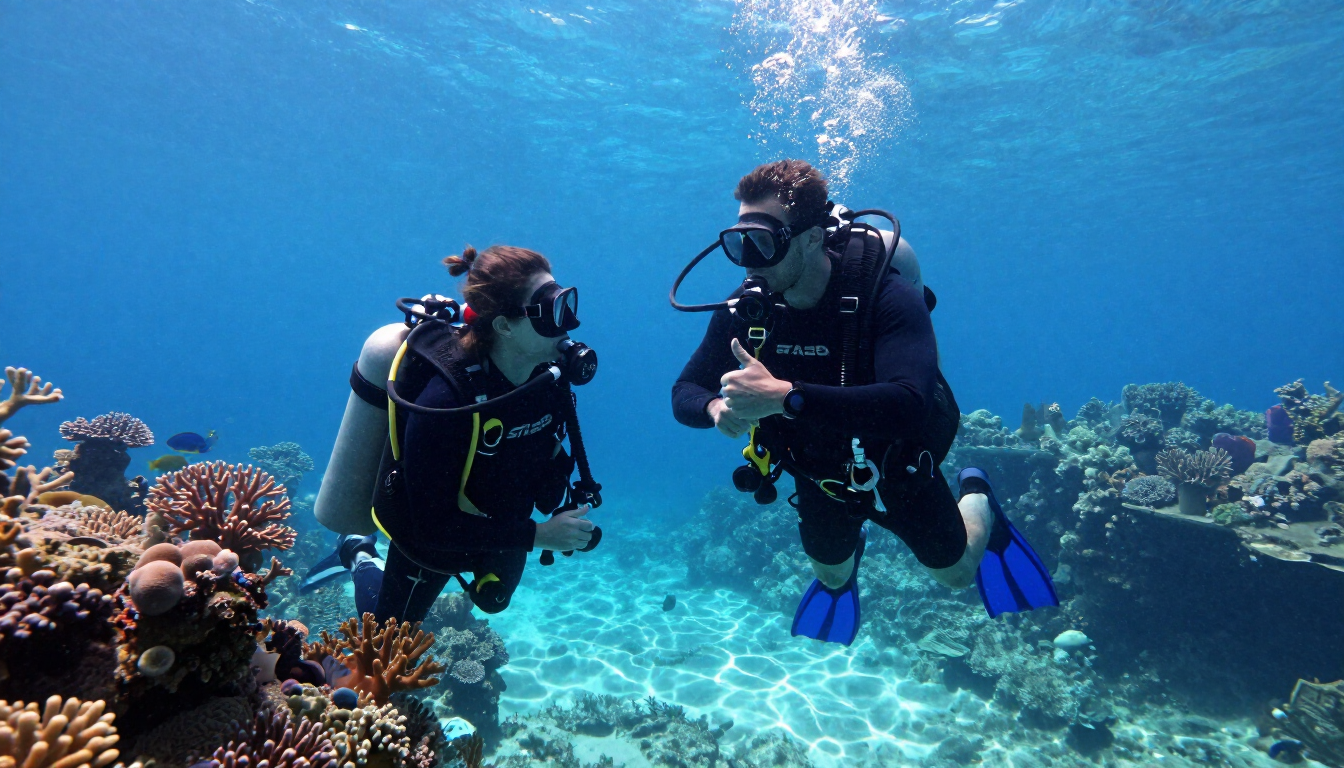
Diving Instructor and Student

Pros and Cons of Each Experience

To help you decide, it's useful to look at the practicalities of both sports. Neither is inherently better; they simply offer different ways to enjoy the ocean. Snorkelling is about freedom and simplicity, while diving is about exploration and immersion.

Advantages of Snorkelling:

  • Affordability: Requires minimal gear and no expensive course fees.
  • Spontaneity: You can jump in the water whenever you see a nice spot.
  • No Physical Strain: Floating on the surface is very relaxing and low-impact.
  • Safe for All: Almost no medical restrictions compared to diving.
  • Unlimited Time: You aren't limited by a tank; you can stay as long as you like.

Advantages of Scuba Diving:

  • True Immersion: The feeling of weightlessness is like flying through an alien world.
  • Extended Reach: You can visit wrecks, caves, and deep reefs.
  • Closer Encounters: Marine life is more likely to interact with you at depth.
  • Skill Building: Diving is a lifelong hobby with endless specialities to learn.
  • Community: The diving community is a tight-knit group of ocean lovers.

How to decide which underwater sport is right for you?

If you are tight on time or budget, or if you have certain medical conditions that prevent you from diving, snorkelling is a fantastic way to enjoy the sea. It’s a great "taster" for the underwater world. Many people find that once they have seen the reef from the surface, they are immediately hooked and want to see more, leading them to book a scuba session .

If you are adventurous, comfortable in the water, and want to experience the ocean in its most raw and beautiful form, then scuba diving is definitely for you. The initial investment in a course pays off for the rest of your life. Whether you want to explore the famous reefs of Sodwana Bay or dive in exotic locations around the globe, your certification is your ticket to adventure.

At Twobar Scuba, we operate as a premiere scuba dive charter in Sodwana, ensuring that your transition from land-dweller to diver is seamless and exciting. We plan our dives based on your requirements and qualifications, making sure you are always in a site that matches your skill level.

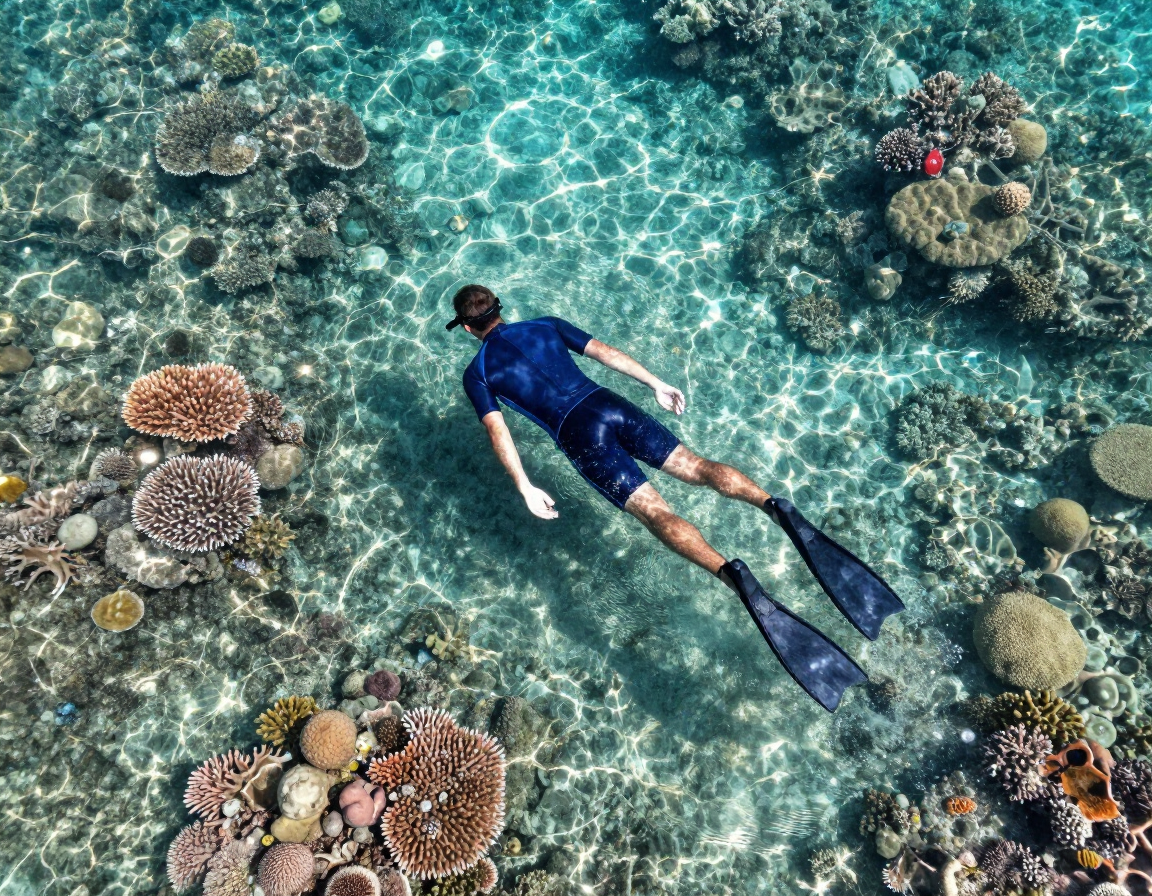
Snorkeler on the surface

Final Takeaways for Your Next Ocean Trip

Choosing between scuba diving vs. snorkelling ultimately comes down to your personal goals and comfort level. Both activities offer unique ways to connect with nature and appreciate the incredible biodiversity of our oceans. If you want a quick, easy, and affordable look at the reef, grab a snorkel. If you want to experience the magic of breathing underwater and the thrill of deep-sea exploration, it’s time to get certified.

Key Points to Remember:

  • Snorkelling is for surface viewing and requires no training.
  • Scuba diving allows for deep immersion and requires professional certification.
  • Gear is simple for snorkellers and technical for divers.
  • Sodwana Bay offers incredible opportunities for both activities.
  • Safety is paramount in both, but diving requires more strict adherence to protocols.

Ready to take the plunge? Whether you’re looking for Training or want to join us for Diving in Sodwana , Twobar Scuba is here to guide you. Check out our Gallery to see the wonders waiting for you beneath the tide. Contact us today to start your journey!

Recent Posts

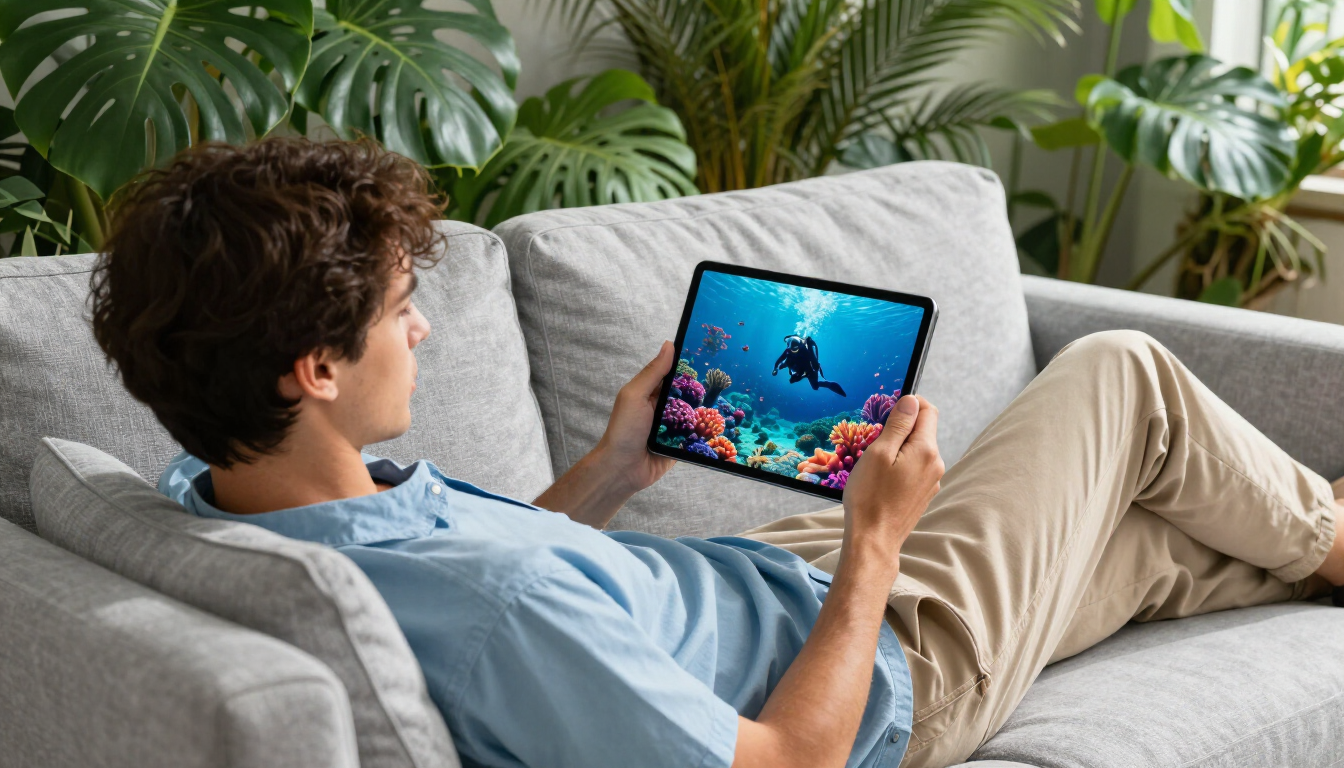
Student using PADI eLearning on a tablet at home.
June 1, 2026
Discover how PADI eLearning works. Learn to scuba dive at your own pace with online theory before you hit the water with Twobar Scuba in Sodwana Bay.
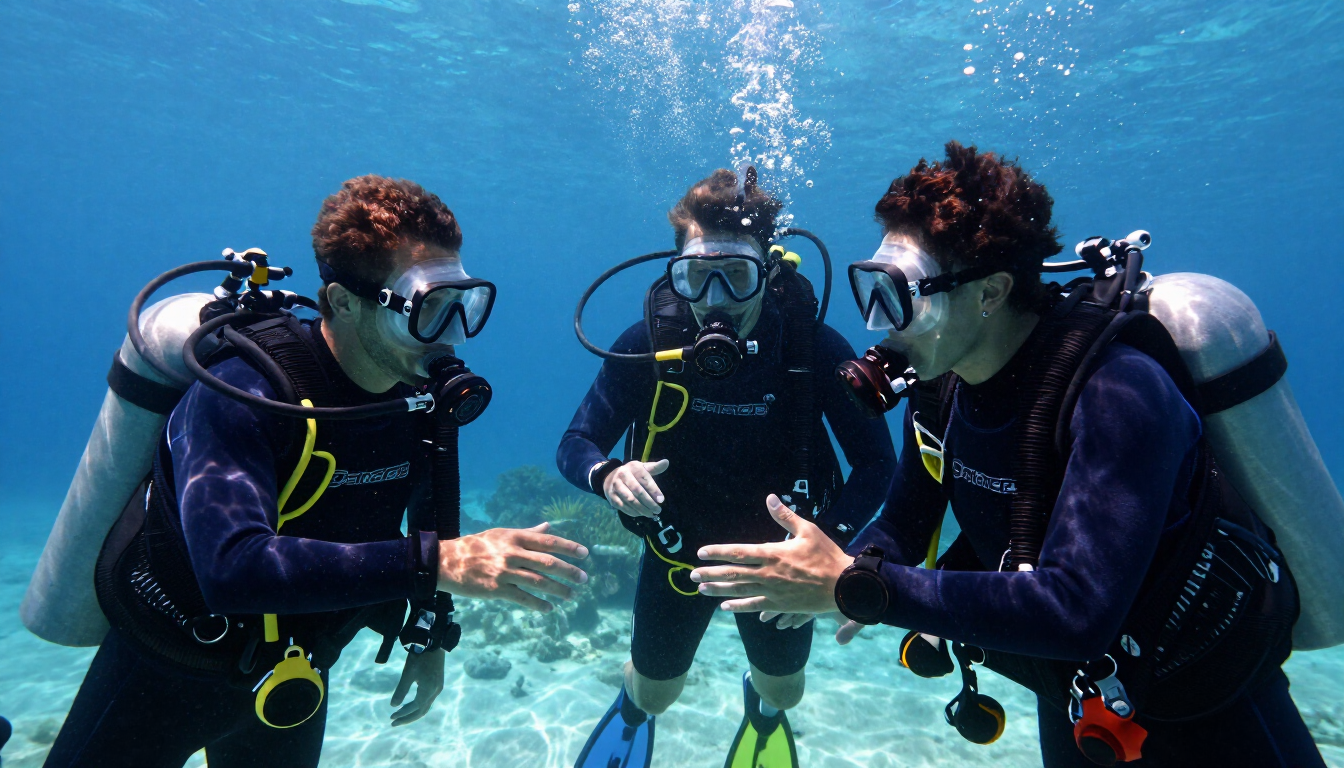
A scuba instructor guiding a small group of students underwater in a clear training environment.
June 1, 2026
Discover why small scuba class sizes are essential for safety, skill mastery, and confidence. Learn how Twobar Scuba's personalized training helps you excel in your certification.
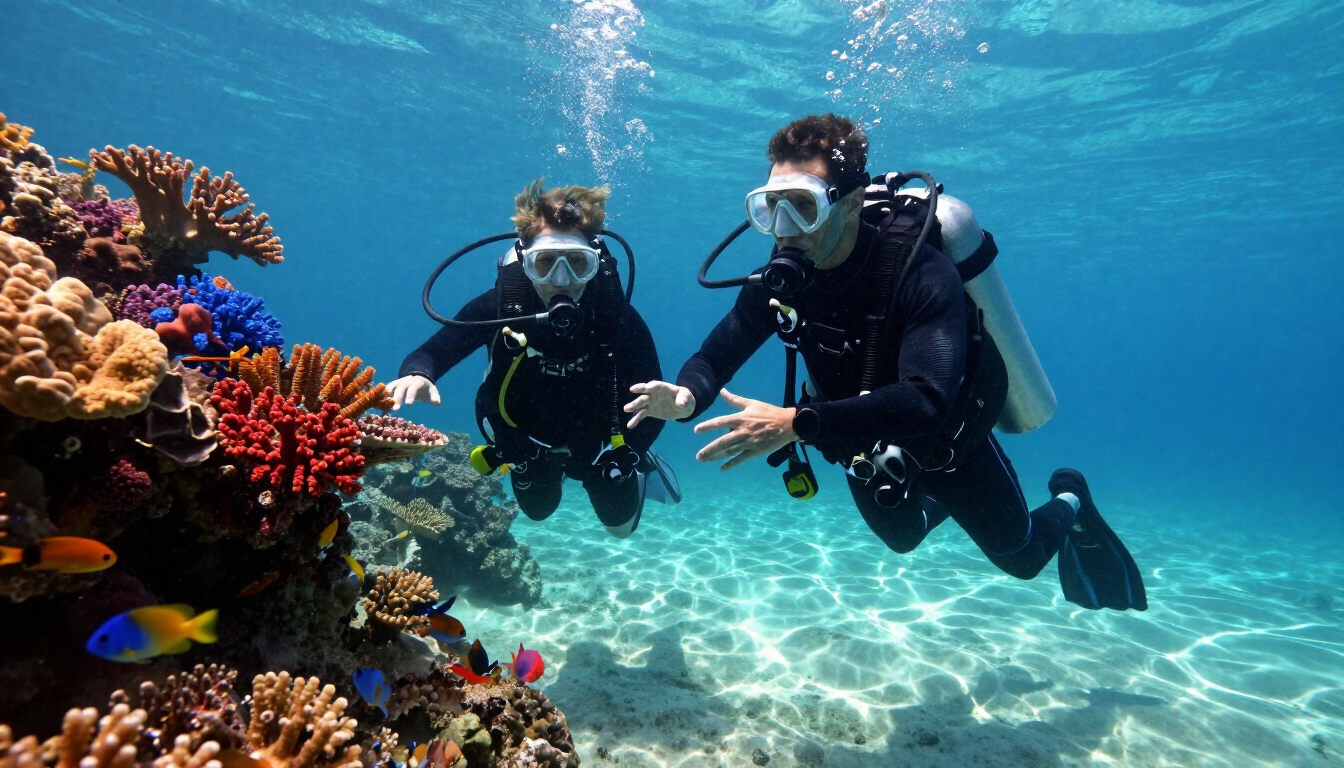
Professional scuba diving instructor and student underwater training session.
June 1, 2026
Learn the core differences between Divemaster and PADI Instructor roles. Explore teaching authority, prerequisites, and professional diving career paths for 2026.
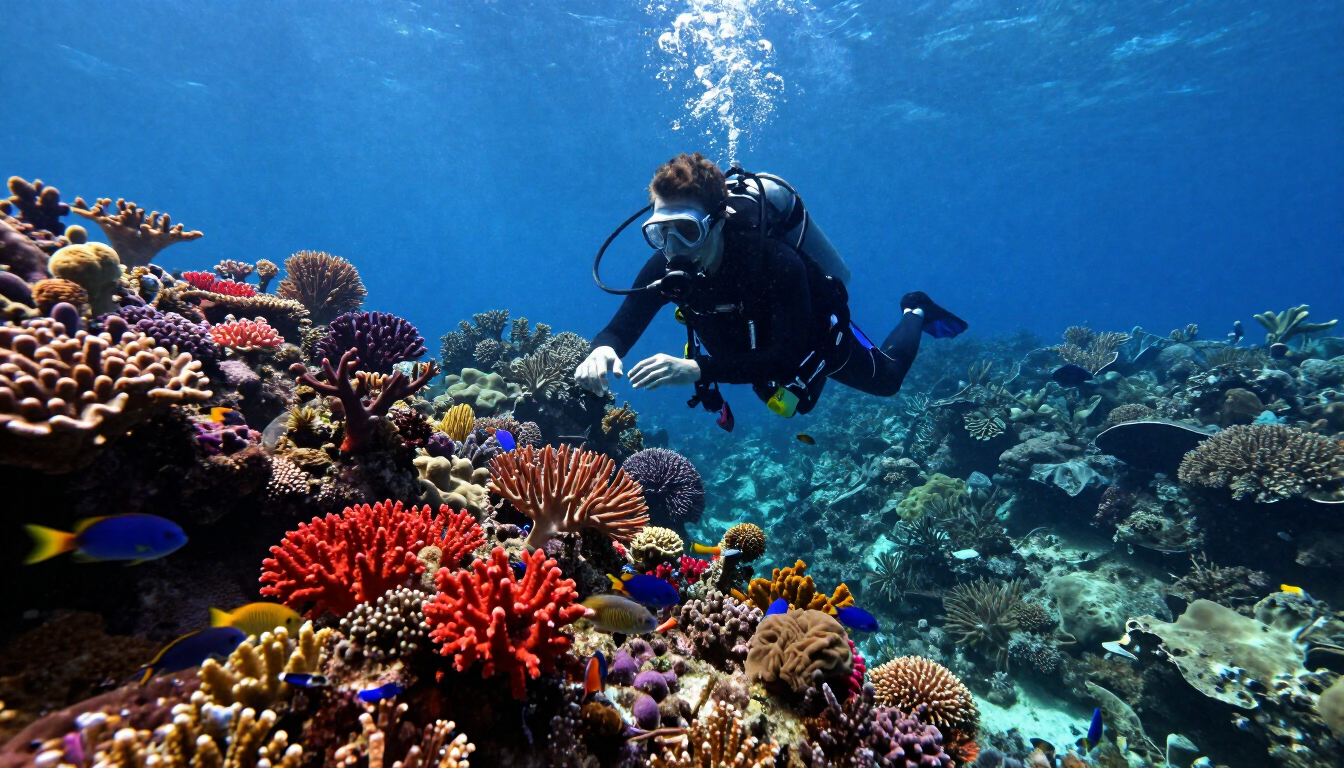
A scuba diver using a compass for underwater navigation near a coral reef.
June 1, 2026
Explore the most popular PADI specialty courses including Deep Diving, Night Diving, and Navigation. Learn how these certifications enhance your skills and underwater safety.
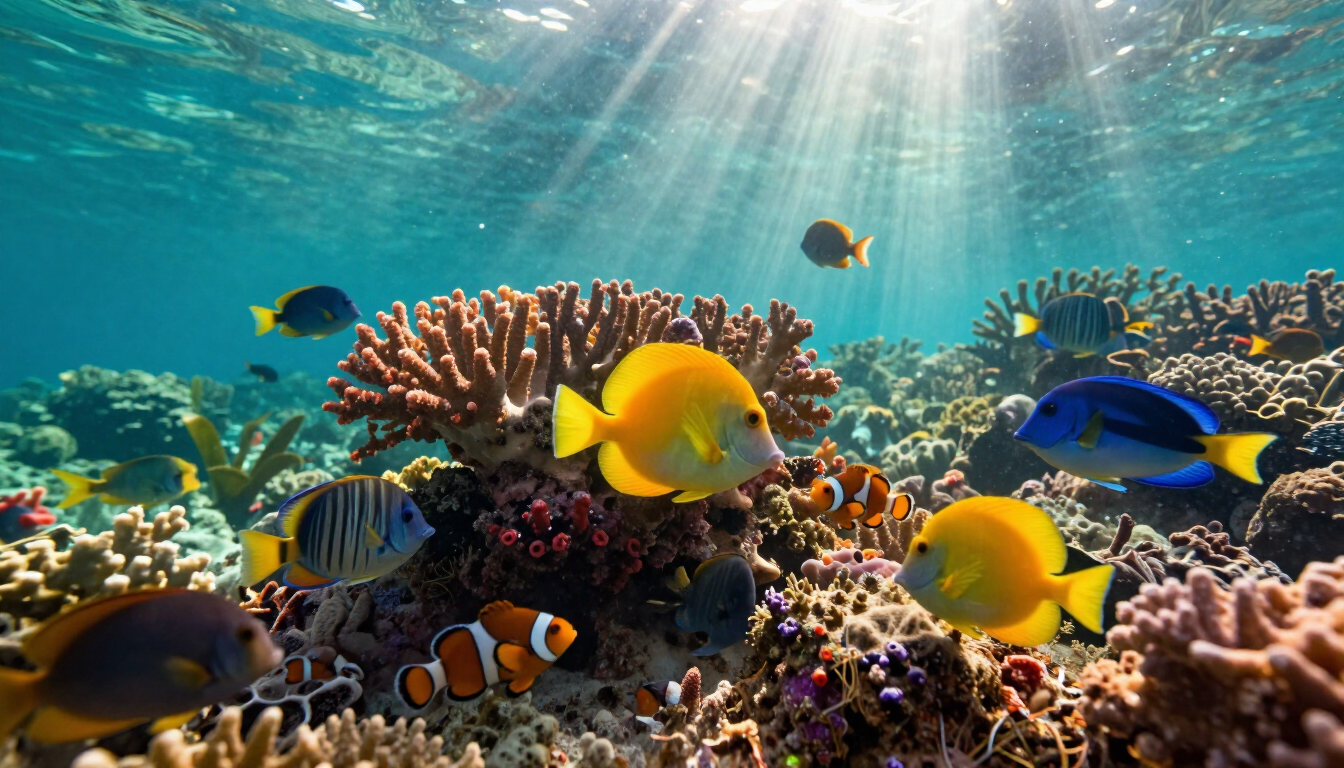
Vibrant coral reef in Sodwana Bay South Africa
June 1, 2026
Complete your NAUI scuba theory in Gauteng and finish your qualifying dives in Sodwana Bay. Learn the benefits of the referral method with Twobar Scuba.
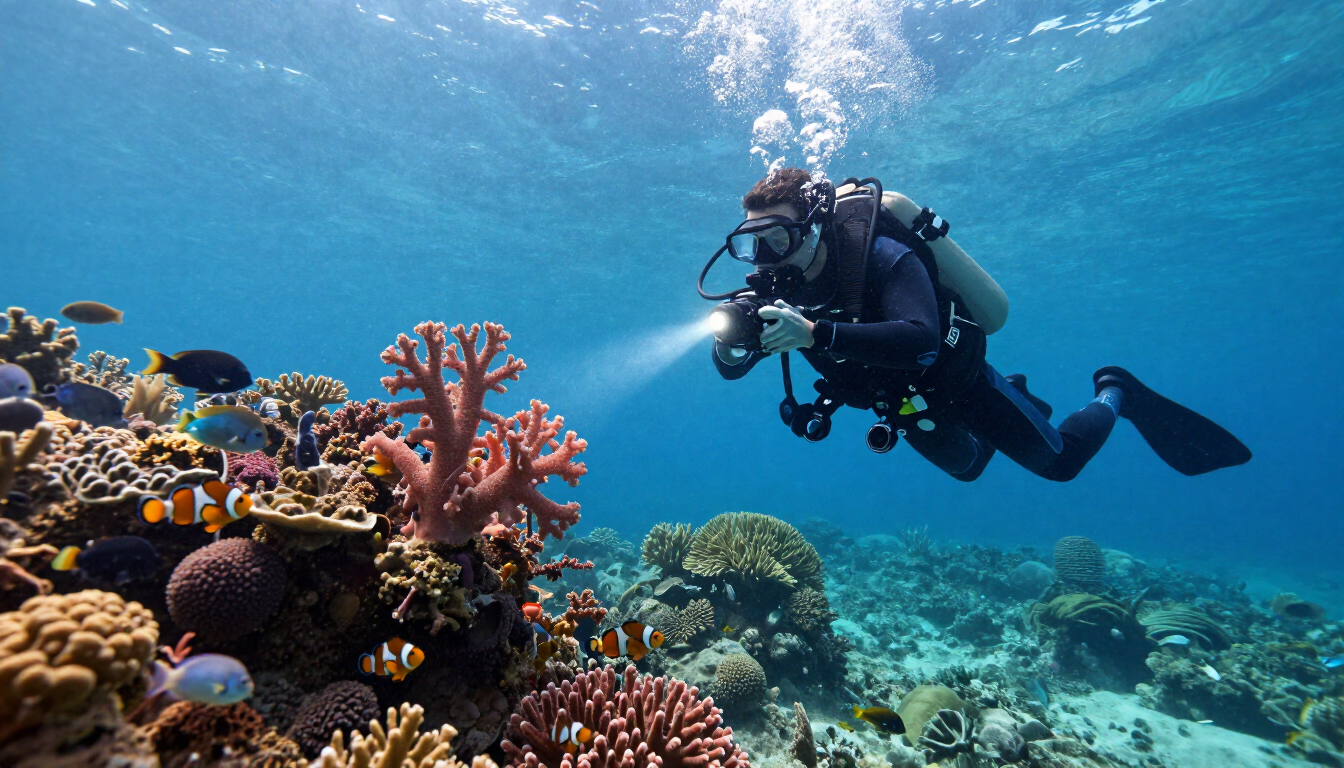
Scuba diver taking photos of coral reef in Sodwana Bay
June 1, 2026
Master underwater photography at Sodwana Bay. Learn essential techniques for stunning marine shots with Twobar Scuba's professional training.
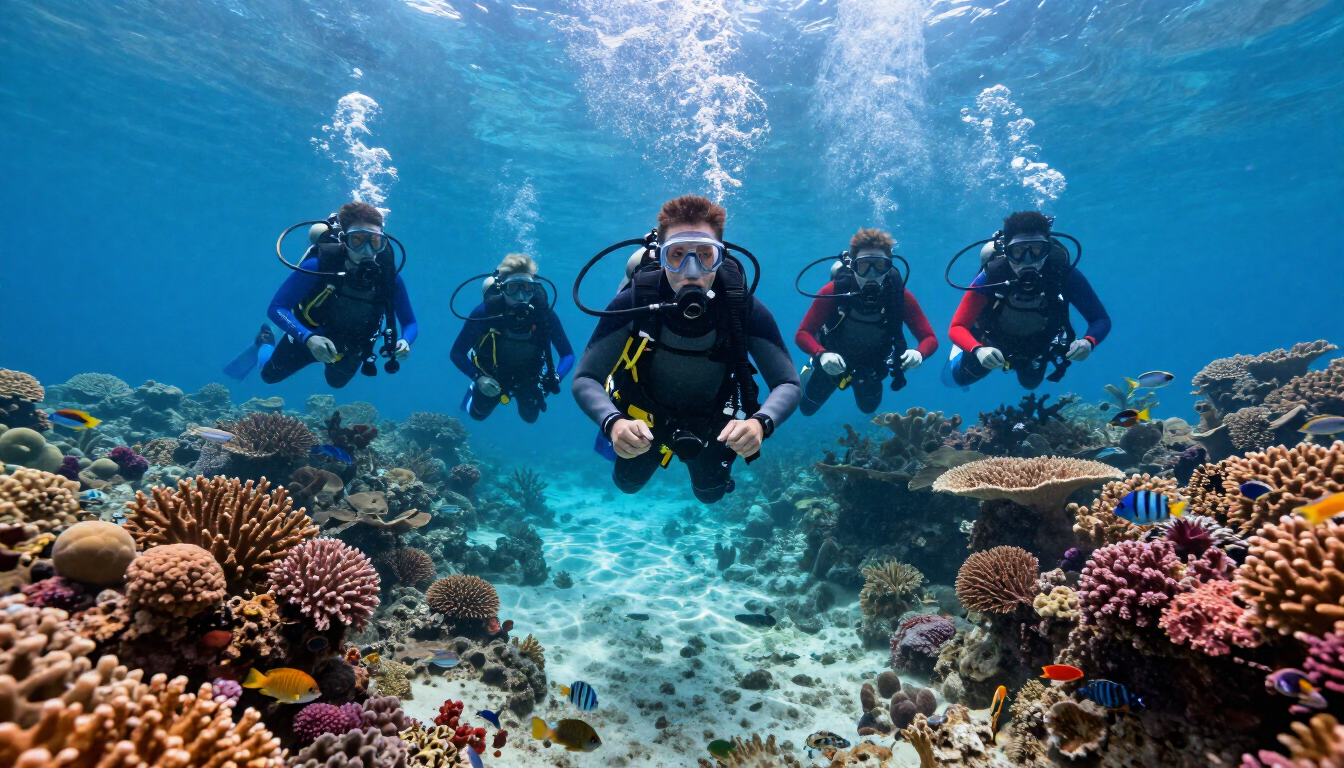
A professional scuba divemaster guiding a group through a vibrant coral reef.
June 1, 2026
Professional Divemaster training at Twobar Scuba. Learn to lead dives in Sodwana Bay and Pretoria with expert NAUI instructors. Start today!
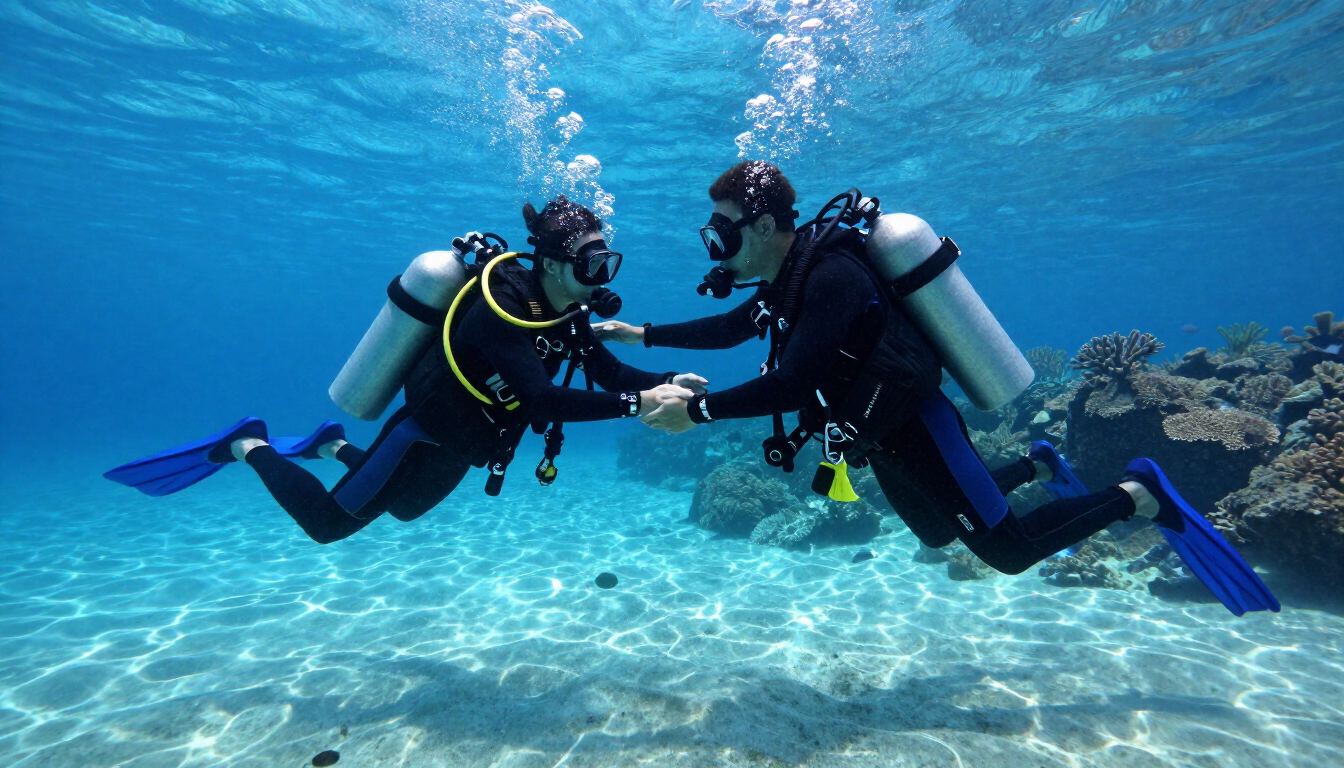
Scuba divers practicing rescue techniques in clear water
June 1, 2026
Explore the Rescue Diver course: what it covers, why it’s the most challenging yet rewarding scuba certification, and how it prepares you for emergencies.
A scuba diver mask underwater with bubbles and blue light.
June 1, 2026
Compare Open Water vs Advanced Open Water certification levels. Discover which course is right for your experience level and how to advance your diving skills at Sodwana Bay.
A professional scuba diver exploring a vibrant coral reef.
June 1, 2026
Discover what PADI is and why scuba diving accreditation is vital for your safety. Compare PADI and NAUI standards and find the best dive training in 2026.

Show More